Sugarcane field with controlled burn at sunset in countryside
1344×768 · AVIF · CC BY 4.0
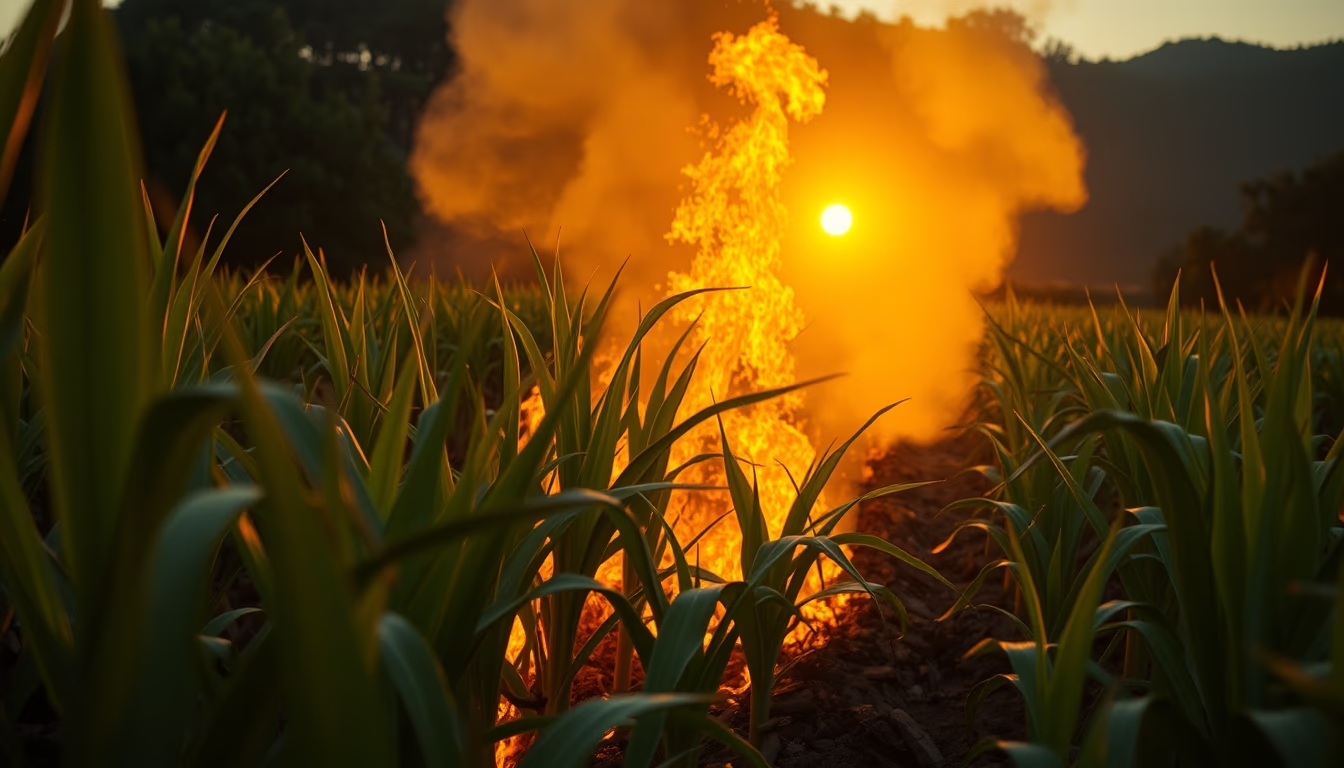
Controlled burn in a sugarcane field at sunset in São Paulo countryside, an agricultural technique that prepares the sugarcane harvest.
About this subject
Controlled burning in sugarcane fields is a traditional agricultural practice in Brazil, especially in São Paulo state, the country's largest sugarcane producer. This technique involves deliberately setting fire to the dry leaves of the cane, making manual cutting easier and reducing the risk of accidents with venomous animals. Although still used, burning is gradually being replaced by mechanized harvesting, which avoids carbon emissions and preserves straw on the soil, contributing to fertility and moisture retention.
The burning cane field at sunset creates a striking visual contrast but also raises environmental concerns. It is estimated that cane burning emits greenhouse gases and particulate matter, affecting air quality in sugarcane regions. In response, the sugar-energy sector signed protocols such as the São Paulo State Agro-Environmental Protocol (2007), which sets deadlines for eliminating burning: by 2014 in mechanizable areas and by 2031 in others.
The scene depicts late afternoon, a common time for controlled burning due to lower wind intensity and milder temperatures, reducing the risk of uncontrolled spread. Fire quickly consumes the straw, leaving the stalks ready for cutting. In Brazil, sugarcane is the raw material for sugar, ethanol, and bioelectricity, a sector that moves billions of reais and generates thousands of rural jobs.
Curiously, despite its impacts, controlled burning can benefit the local ecosystem by eliminating pests and stimulating the regrowth of some native species. However, the trend is toward progressive reduction, aligned with more sustainable practices and pressure for environmental certifications, such as the "Sustainable Cane" seal.
Frequently Asked Questions
Why is controlled burning used in sugarcane fields in Brazil?
Controlled burning facilitates manual cutting by removing dry leaves and thorns, and drives away venomous animals like snakes and spiders. It also reduces straw volume, making transport more efficient.
Is sugarcane burning banned?
It is not completely banned, but there are progressive restrictions. The São Paulo Agro-Environmental Protocol set deadlines for eliminating burning: 2014 in mechanizable areas and 2031 in others. In other regions, the practice is regulated by state legislation.
What are the environmental impacts of sugarcane burning?
Burning emits greenhouse gases (CO2, methane) and particulate matter, harming air quality. It also removes the straw that protects soil from erosion and moisture loss. On the other hand, it can control pests and stimulate regrowth of native species.
Direct URL
https://pub-c7d6a6ea828543ac903a74a341ccb2e1.r2.dev/imagens/sugarcane-field-on-fire-being-controlled-at-sunset-in-sao-paulo-countryside-symmetric-bright-midday-7.avifHow to credit
Include a visible link back to UtilizAí. Copy one of the snippets below:
<a href="https://xn--utiliza-eza.com/en/midia/imagens/sugarcane-field-on-fire-being-controlled-at-sunset-in-sao-paulo-countryside-symmetric-bright-midday-7">Sugarcane field with controlled burn at sunset in countryside</a> by <a href="https://xn--utiliza-eza.com">UtilizAí</a>, licensed under <a href="https://creativecommons.org/licenses/by/4.0/">CC BY 4.0</a>.
[Sugarcane field with controlled burn at sunset in countryside](https://xn--utiliza-eza.com/en/midia/imagens/sugarcane-field-on-fire-being-controlled-at-sunset-in-sao-paulo-countryside-symmetric-bright-midday-7) by [UtilizAí](https://xn--utiliza-eza.com), CC BY 4.0
License: CC-BY-4.0