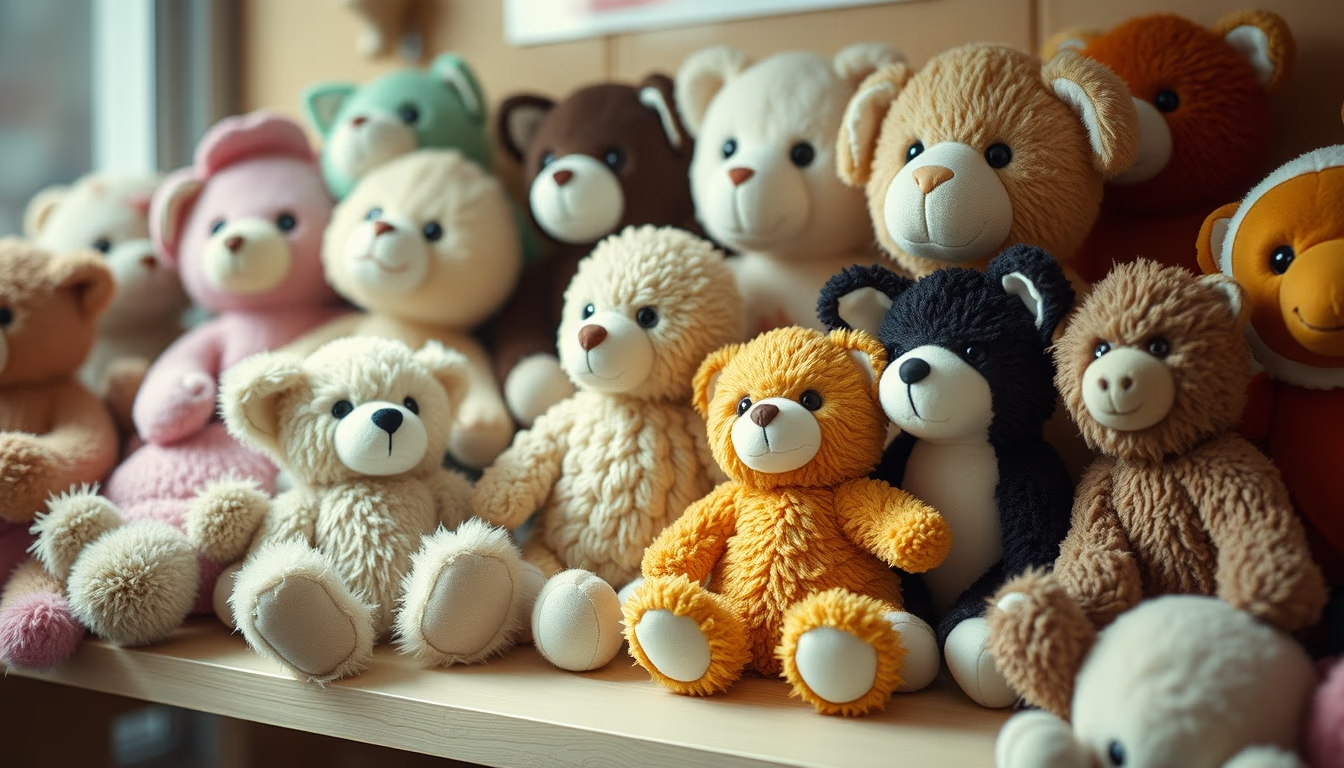
Stuffed animals collection
1344×768 · AVIF · CC BY 4.0
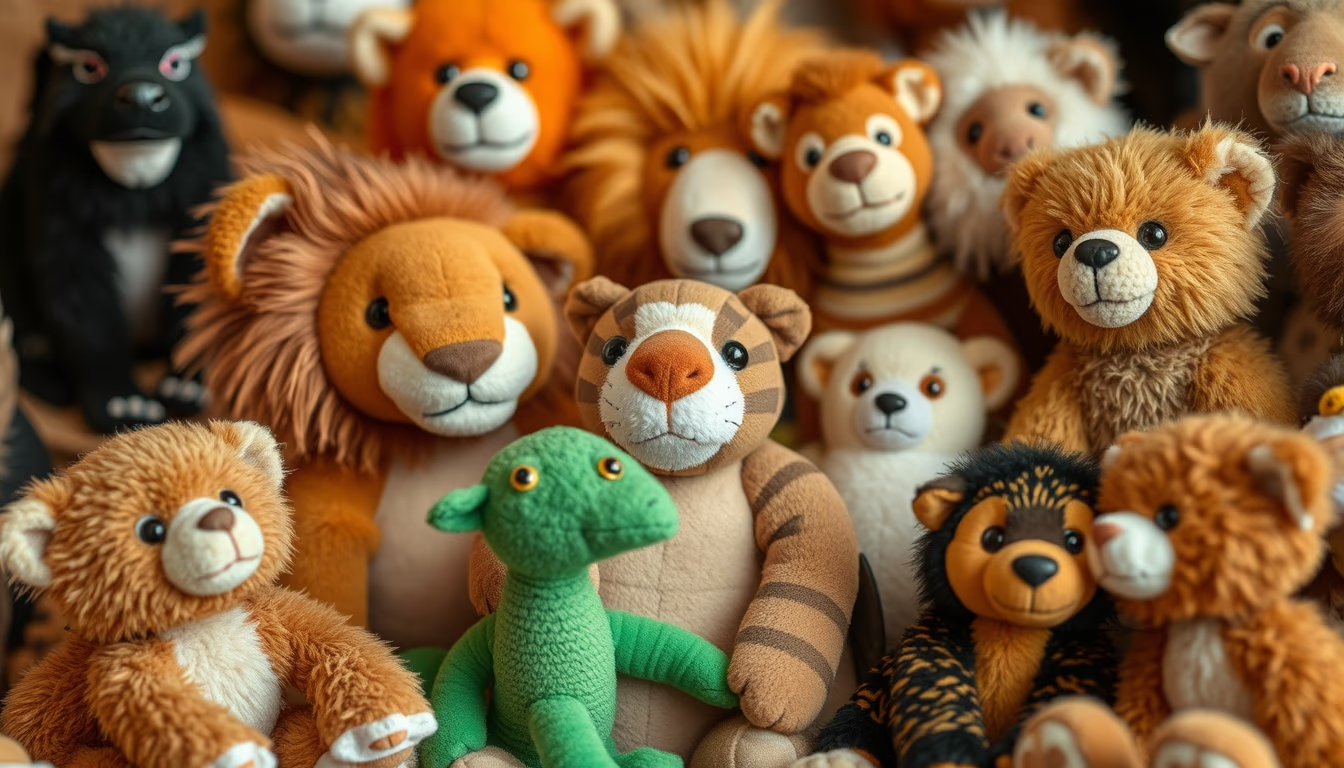
A collection of stuffed animals reveals the human fascination with comfort objects and the global toy market.
About this subject
Collections of stuffed animals go beyond merely accumulating toys. They represent a cultural and emotional phenomenon rooted in childhood, nostalgia, and attachment to objects that offer comfort. The first teddy bear, created in 1902 in the United States, was inspired by a political cartoon of President Theodore Roosevelt, sparking an industry that now generates billions of dollars annually.
In Brazil, the passion for plush toys is evident in collector fairs and specialized stores. Brands like the German Steiff are benchmarks for quality and historical value, with century-old bears appraised at thousands of reais. Collectors often seek limited editions, licensed characters from movies and series, or vintage pieces that tell stories of past decades. The diversity of species, from bears to rabbits, giraffes to dinosaurs, reflects manufacturers' creativity and consumer interests.
Beyond sentimental value, collections can have economic importance. Some rare Steiff bears, for instance, fetch astronomical prices at auctions. Proper conservation, away from direct sunlight and humidity, is essential to maintain the value and beauty of the pieces. Psychology explains that owning stuffed animals activates brain areas linked to affection and security, justifying the lasting bond many adults maintain with these objects since childhood.
Frequently Asked Questions
Why do people collect stuffed animals?
Collecting stuffed animals is linked to emotional comfort, nostalgia, and childhood memories. Many collectors seek rare pieces or ones that represent special moments in their lives.
What is the origin of stuffed animals?
The first stuffed animal was the Teddy bear, created in 1902 by toymaker Morris Michtom, inspired by a political cartoon of President Theodore Roosevelt. The industry then expanded globally.
How to care for a stuffed animal collection?
To preserve stuffed animals, avoid direct sunlight, humidity, and dust. Clean regularly with a low-power vacuum or slightly damp cloth. Store on shelves or ventilated display cases, away from moths.
Direct URL
https://pub-c7d6a6ea828543ac903a74a341ccb2e1.r2.dev/imagens/stuffed-animals-collection-national-geographic-style-p1.avifHow to credit
Include a visible link back to UtilizAí. Copy one of the snippets below:
<a href="https://xn--utiliza-eza.com/en/midia/imagens/stuffed-animals-collection-national-geographic-style-p1">Stuffed animals collection</a> by <a href="https://xn--utiliza-eza.com">UtilizAí</a>, licensed under <a href="https://creativecommons.org/licenses/by/4.0/">CC BY 4.0</a>.
[Stuffed animals collection](https://xn--utiliza-eza.com/en/midia/imagens/stuffed-animals-collection-national-geographic-style-p1) by [UtilizAí](https://xn--utiliza-eza.com), CC BY 4.0
License: CC-BY-4.0