Studio lights set production
1344×768 · AVIF · CC BY 4.0
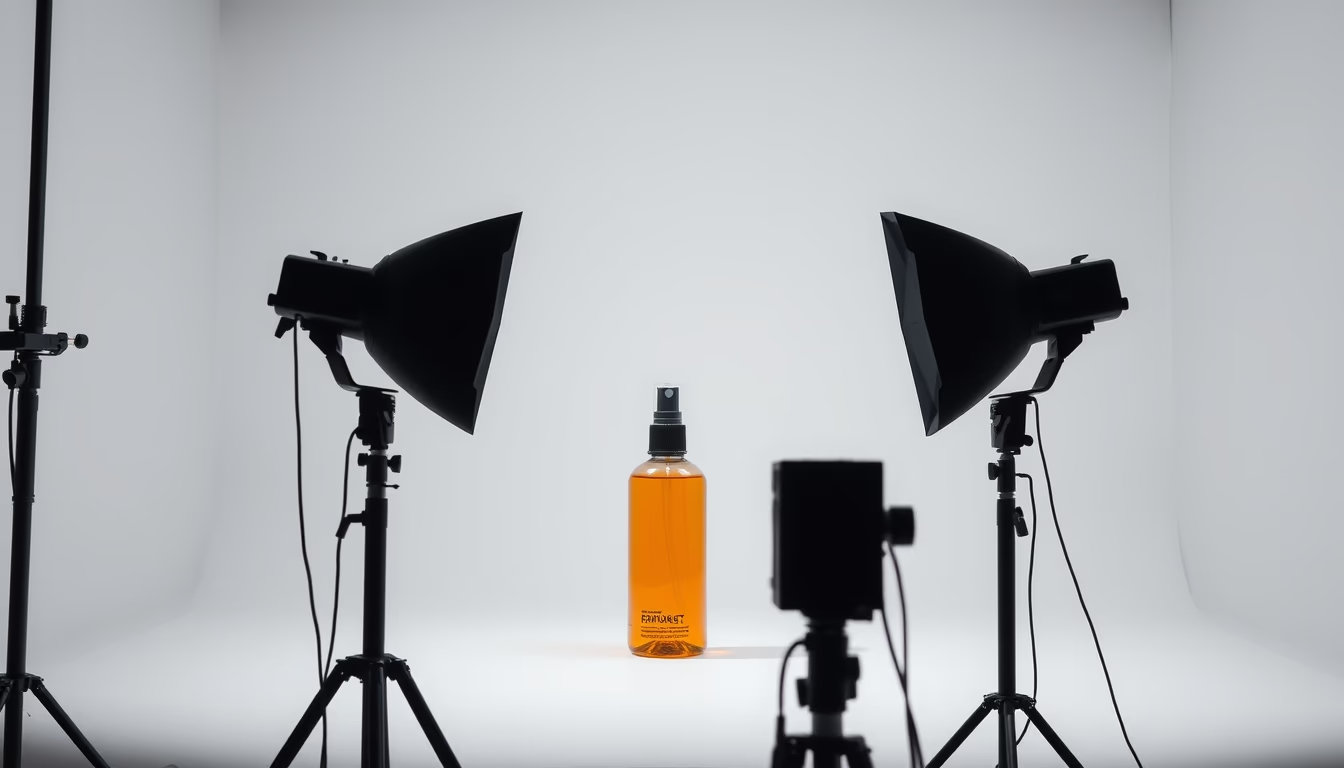
Professional studio light setup for commercial product photography: types, techniques and trends for 2026.
About this subject
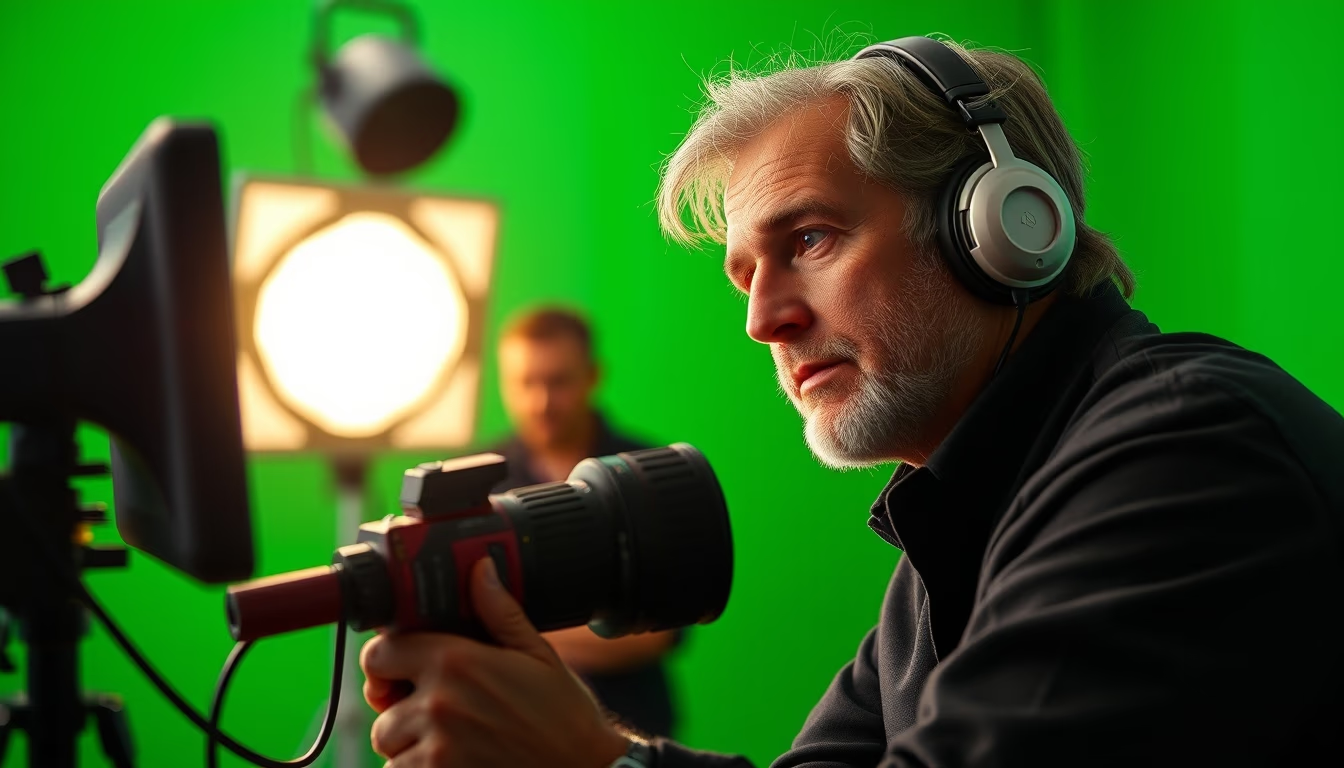
Studio lights are essential in commercial product photography, allowing full control to emphasize textures, colors, and shapes. Common equipment includes studio flashes, which emit high-power pulses, and continuous LED lights, offering real-time visualization. For 2026, trends point to adjustable color temperature LEDs, higher energy efficiency, and app-based control for quicker setups.
Classic techniques like three-point lighting remain fundamental: key light, fill light, and rim light. Modifiers such as softboxes, octaboxes, and beauty dishes soften light, while reflectors and flags control shadows. For transparent or metallic products, specialized methods like light tents eliminate unwanted reflections. Hard light, achieved with parabolic reflectors, creates dramatic contrast, ideal for textured items.
A practical tip: product photographers often use neutral gray cards (18%) for accurate white balance. Color temperature, measured in Kelvin (typically 5500K for daylight), is crucial for consistency across images. In compact studios, LED lights with 500-1000 lumens suffice for small products, while larger items require flashes of 300-600Ws.
Lighting directly influences consumer perception: well-lit products convey quality and trust, boosting e-commerce conversion rates. Combining soft light for broad areas with hard light for specific details is a pro strategy to create dimension and visual appeal. Innovations for 2026 may include RGB heads for creative effects and modular systems for easy transport.
Frequently Asked Questions
What is the difference between continuous light and flash for product photography?
Continuous light (LED, fluorescent) lets you see the lighting effect in real time, making it easier to adjust shadows and reflections. Flash emits a brief, powerful burst, freezing motion and offering more power per size. For static products, both work well; continuous light is more beginner-friendly.
Which light modifiers are essential to start?
A softbox or octabox for soft, diffused light, a reflector to fill shadows, and a grid or flag to control light direction. For small products, a light tent is useful to eliminate reflections.
How to light reflective products like jewelry or glass?
Use a light tent or diffusers to create a large, soft light source. Position lights outside the frame and avoid the photographer or camera reflecting on the surface. Polarization (with filters) also helps reduce unwanted glare.
Direct URL
https://pub-c7d6a6ea828543ac903a74a341ccb2e1.r2.dev/imagens/studio-lights-set-production-commercial-product-photography-p5.avifHow to credit
Include a visible link back to UtilizAí. Copy one of the snippets below:
<a href="https://xn--utiliza-eza.com/en/midia/imagens/studio-lights-set-production-commercial-product-photography-p5">Studio lights set production</a> by <a href="https://xn--utiliza-eza.com">UtilizAí</a>, licensed under <a href="https://creativecommons.org/licenses/by/4.0/">CC BY 4.0</a>.
[Studio lights set production](https://xn--utiliza-eza.com/en/midia/imagens/studio-lights-set-production-commercial-product-photography-p5) by [UtilizAí](https://xn--utiliza-eza.com), CC BY 4.0
License: CC-BY-4.0