Storyboard sketches rough
1344×768 · AVIF · CC BY 4.0
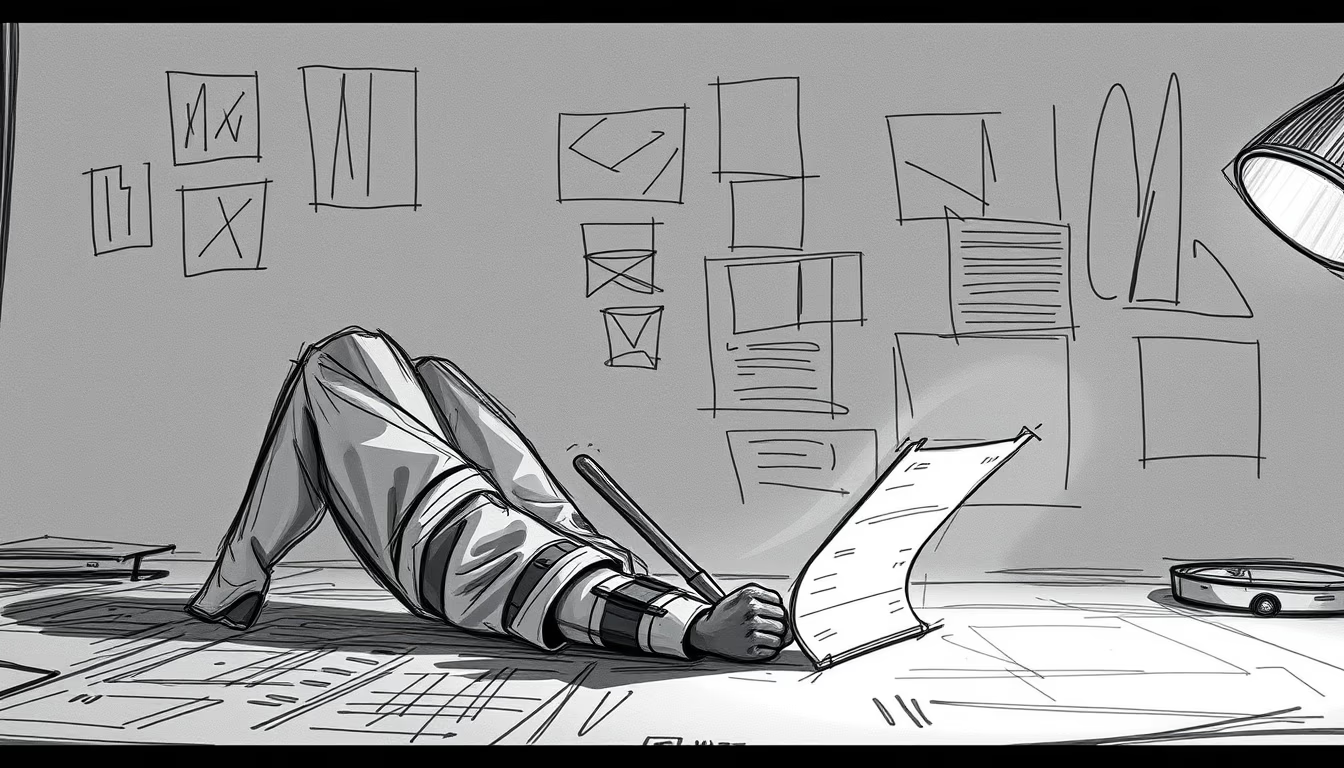
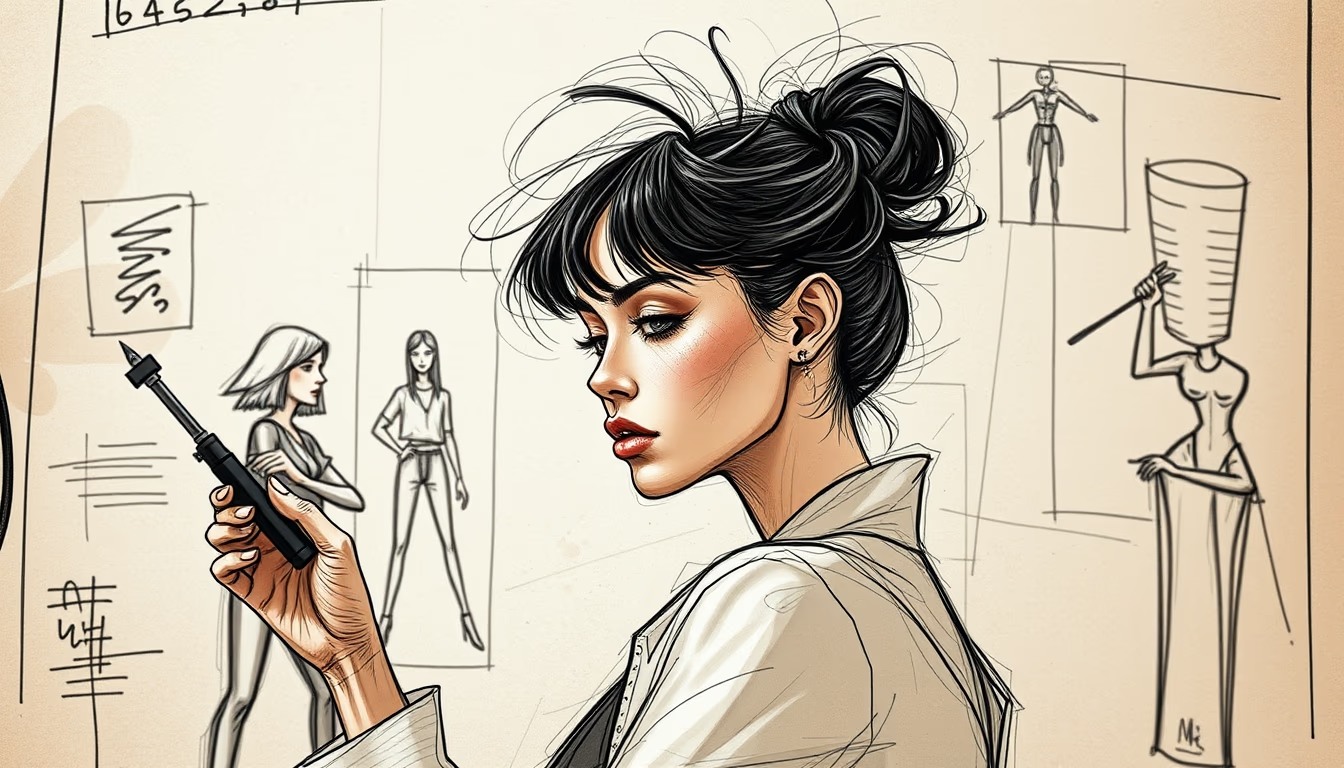
Rough storyboard sketches are the visual foundation of any audiovisual production, guiding shots, framing, and narrative before filming.
About this subject
Storyboards are sequences of drawings that visually represent the scenes of a film, commercial, animation, or music video. They serve as a guide for the production crew, indicating framing, camera movements, character positioning, and transitions. Rough sketches are early versions done quickly, often with pencil or pen, prioritizing the flow of ideas over aesthetic finish. This practice allows exploration of different approaches before detailing each shot.
The importance of storyboarding goes beyond previsualization. It helps identify continuity, lighting, and pacing issues before filming, saving time and budget. Directors like Alfred Hitchcock and Hayao Miyazaki are renowned for their detailed storyboards, which guide every take. Hitchcock would draw each shot meticulously, giving him full control over the visual narrative. Miyazaki creates storyboards that are works of art themselves, with notes on emotions and movements.
The term "storyboard" was popularized by Disney in the 1930s, but the technique dates back to silent films, such as Georges Méliès' drawings for special effects. Today, software like FrameForge and Toon Boom Storyboard Pro streamlines the process, yet many artists still prefer hand-drawn lines. Rough sketches are treasured in historical archives for revealing creative choices and early decisions. In fine art collections, these sketches are appreciated as authentic documents of artistic imagination.
Frequently Asked Questions
What is the difference between a rough storyboard and a finished storyboard?
A rough storyboard is a quick sketch that captures the essence of the scene, while a finished one includes details like perspective, lighting, and camera technical notes.
Who typically draws storyboards?
It can be the director, a specialized storyboard artist, or the art director. Large productions have dedicated teams with different artistic styles.
How are storyboards used in post-production?
They serve as references for editing, visual effects, and compositing, ensuring the final output matches the original vision, especially in complex scenes.
Direct URL
https://pub-c7d6a6ea828543ac903a74a341ccb2e1.r2.dev/imagens/storyboard-sketches-rough-fine-art-photography-p1.avifHow to credit
Include a visible link back to UtilizAí. Copy one of the snippets below:
<a href="https://xn--utiliza-eza.com/en/midia/imagens/storyboard-sketches-rough-fine-art-photography-p1">Storyboard sketches rough</a> by <a href="https://xn--utiliza-eza.com">UtilizAí</a>, licensed under <a href="https://creativecommons.org/licenses/by/4.0/">CC BY 4.0</a>.
[Storyboard sketches rough](https://xn--utiliza-eza.com/en/midia/imagens/storyboard-sketches-rough-fine-art-photography-p1) by [UtilizAí](https://xn--utiliza-eza.com), CC BY 4.0
License: CC-BY-4.0