Storyboard sketches
1344×768 · AVIF · CC BY 4.0
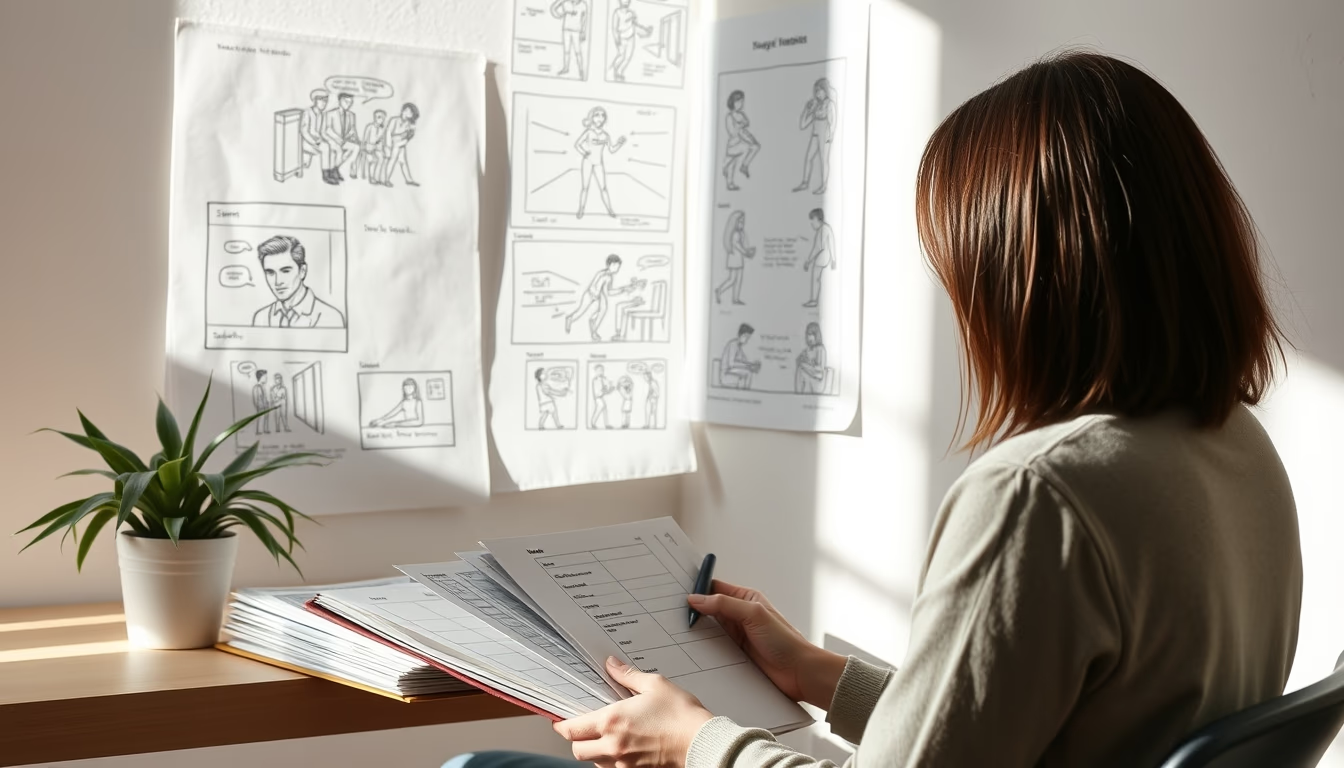
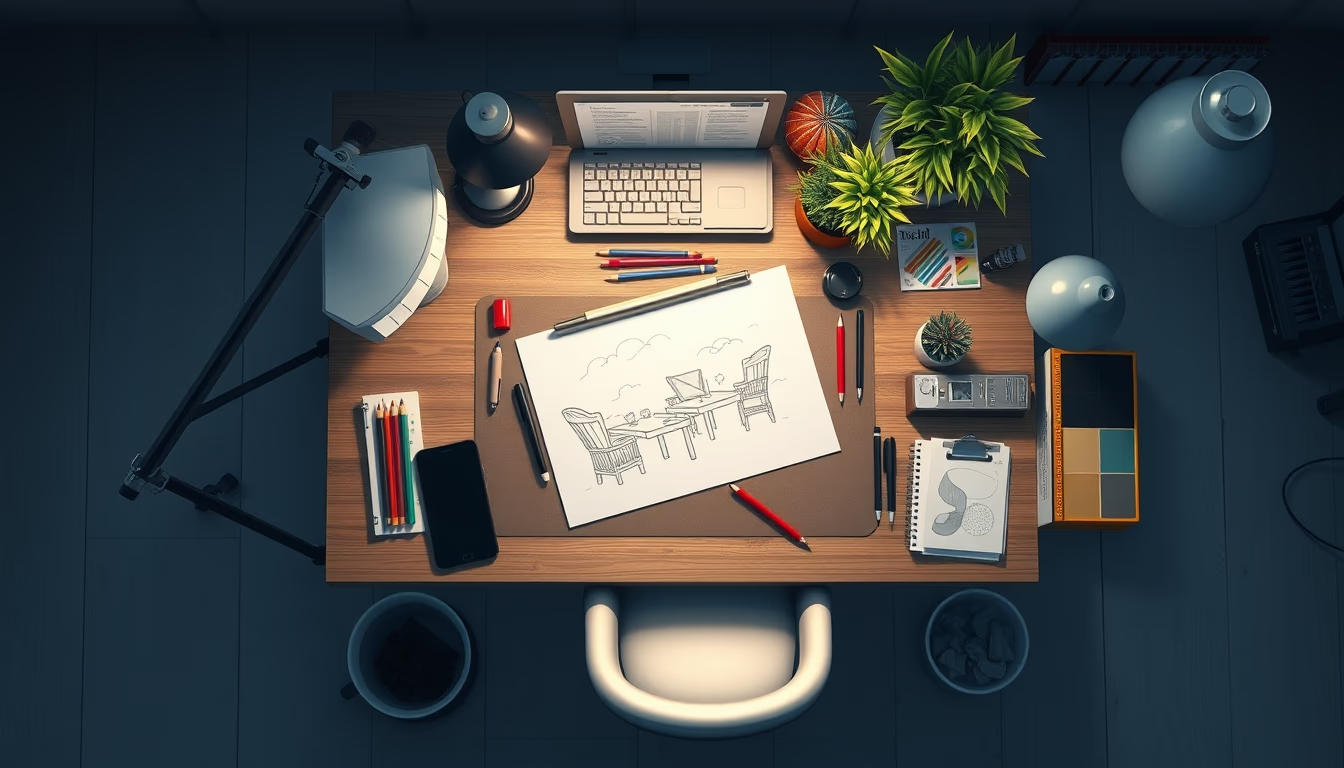
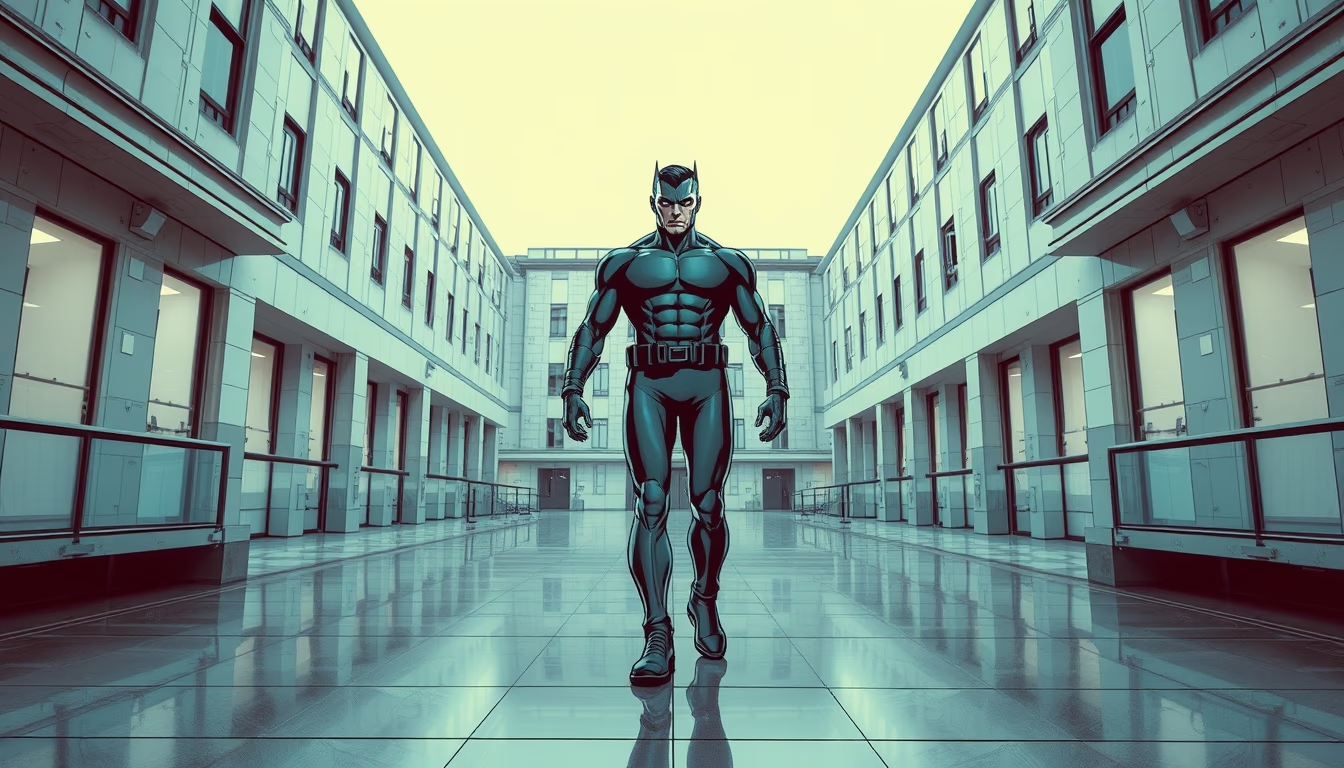
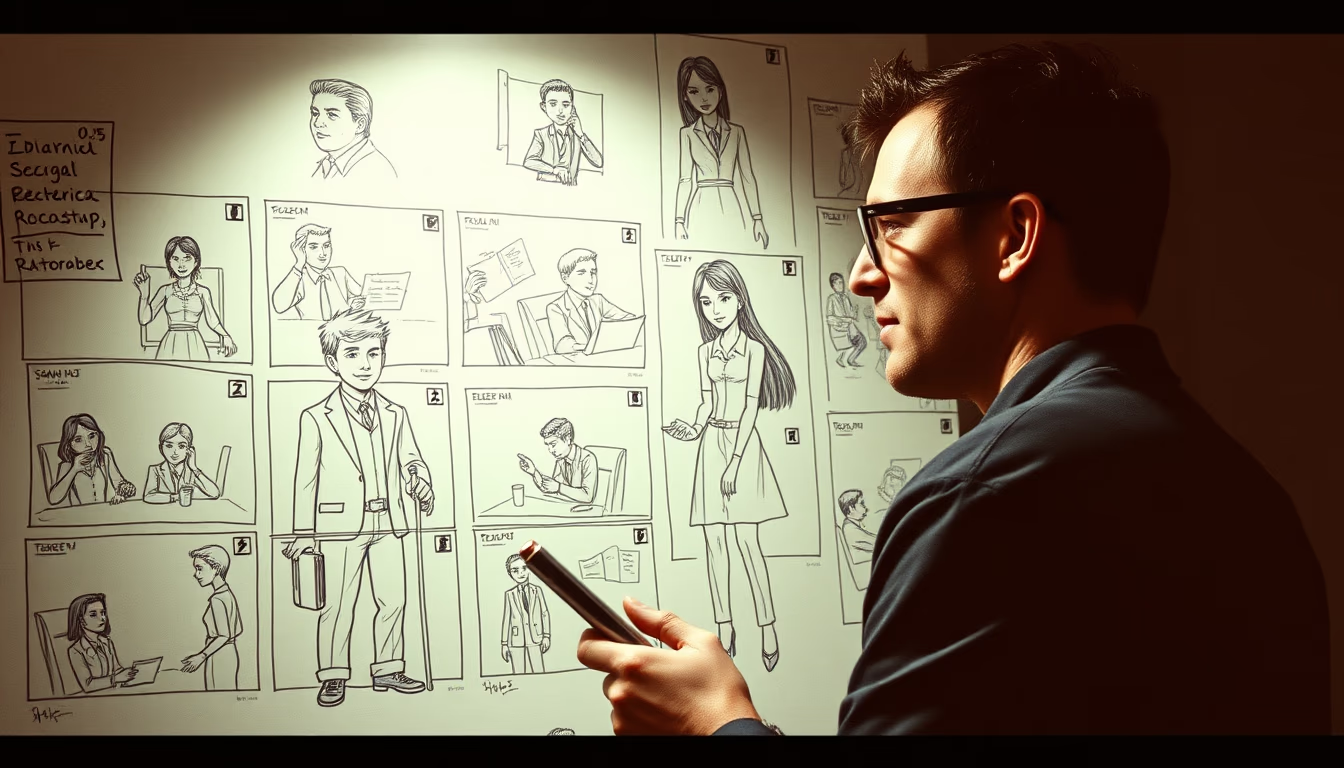
Storyboards are sequences of drawings that pre-visualize scenes for films, animations, or videos, essential in visual planning.
About this subject
Storyboards function as a visual script, translating text from the script into sequential frames that show framing, movement, and composition. Used extensively in film, animation, advertising, and even video games, they allow directors, cinematographers, and designers to align their vision before production. A typical storyboard contains simplified drawings, camera notes, dialogue, and timing indications, serving as a practical guide for the entire crew.
The modern storyboard technique was popularized by Walt Disney in the 1930s, when his animators began drawing scenes on panels to plan shorts like 'The Three Little Pigs'. Since then, the method spread to live-action cinema, Hitchcock was known for detailed storyboards. Over time, sketch styles varied: some directors prefer realistic renderings, others opt for loose, expressive lines.
A minimalist style in storyboarding, as suggested by the tags, focuses on the essentials: key poses, camera angles, and narrative flow, without excessive detail. This speeds up communication and allows rapid iteration. Big names like Hayao Miyazaki and Steven Spielberg use concise sketches to convey emotion and action with few lines. Minimalist composition helps highlight character movement and expression, avoiding visual clutter.
In practice, storyboards save time and money by identifying issues with continuity, lighting, or framing before filming. They also facilitate collaboration between departments, art direction, camera, sound, and serve as a reference document during editing. Even in the digital age, hand-drawn or tablet sketches maintain their relevance as a fundamental creative tool.
Frequently Asked Questions
What is a storyboard?
It is a sequence of drawings that visually represents the scenes of a film, animation, or video. Each frame shows framing, action, and dialogue, helping to plan production.
Why use minimalist lines in storyboards?
Minimalism focuses on the essentials: key poses, angles, and narrative flow. This speeds up communication among the team, allows quick changes, and avoids distractions from unnecessary details.
What tools are used to create storyboards?
Traditionally pencil and paper, but today software like Storyboard Pro, Toon Boom, and even tablets with drawing apps are common. Many professionals still prefer hand-drawn sketches for speed.
Direct URL
https://pub-c7d6a6ea828543ac903a74a341ccb2e1.r2.dev/imagens/storyboard-sketches-minimalist-composition-fresh10.avifHow to credit
Include a visible link back to UtilizAí. Copy one of the snippets below:
<a href="https://xn--utiliza-eza.com/en/midia/imagens/storyboard-sketches-minimalist-composition-fresh10">Storyboard sketches</a> by <a href="https://xn--utiliza-eza.com">UtilizAí</a>, licensed under <a href="https://creativecommons.org/licenses/by/4.0/">CC BY 4.0</a>.
[Storyboard sketches](https://xn--utiliza-eza.com/en/midia/imagens/storyboard-sketches-minimalist-composition-fresh10) by [UtilizAí](https://xn--utiliza-eza.com), CC BY 4.0
License: CC-BY-4.0