Steamer trunk vintage stickers
1344×768 · AVIF · CC BY 4.0
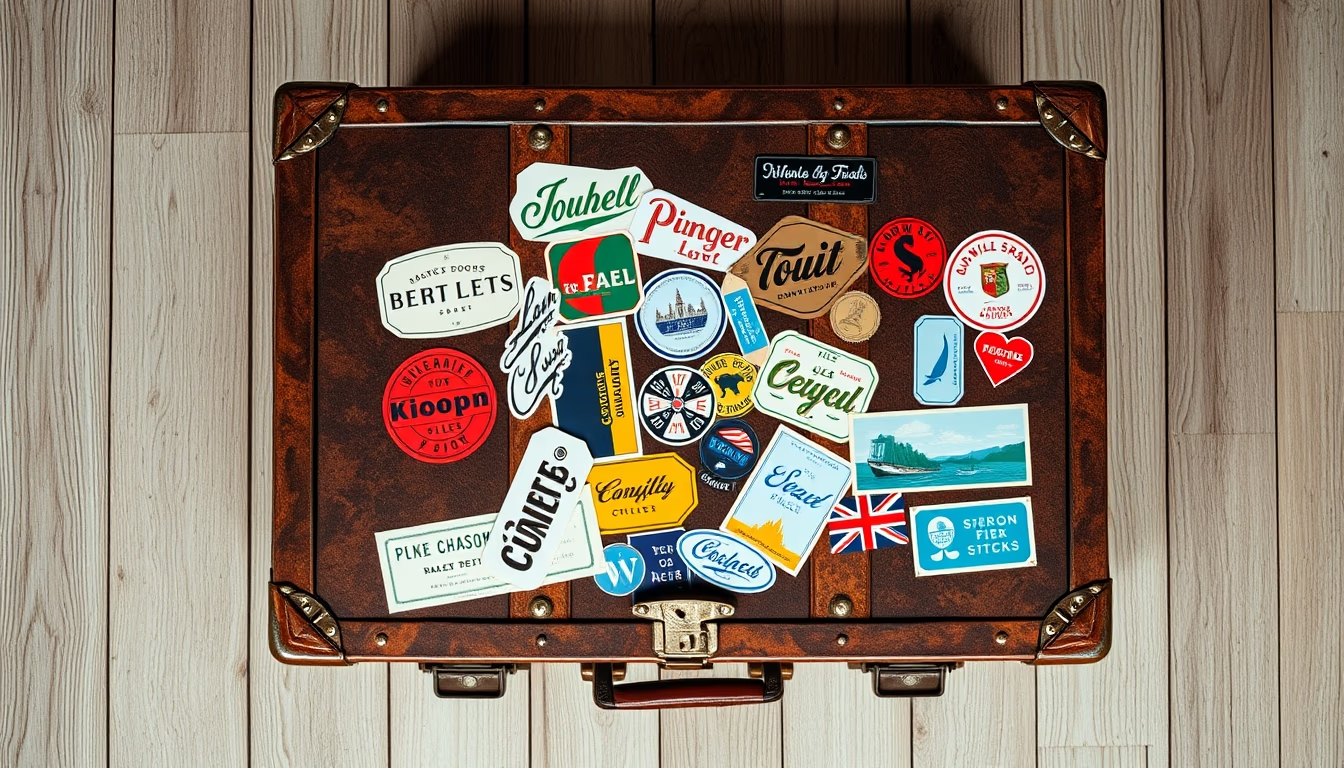
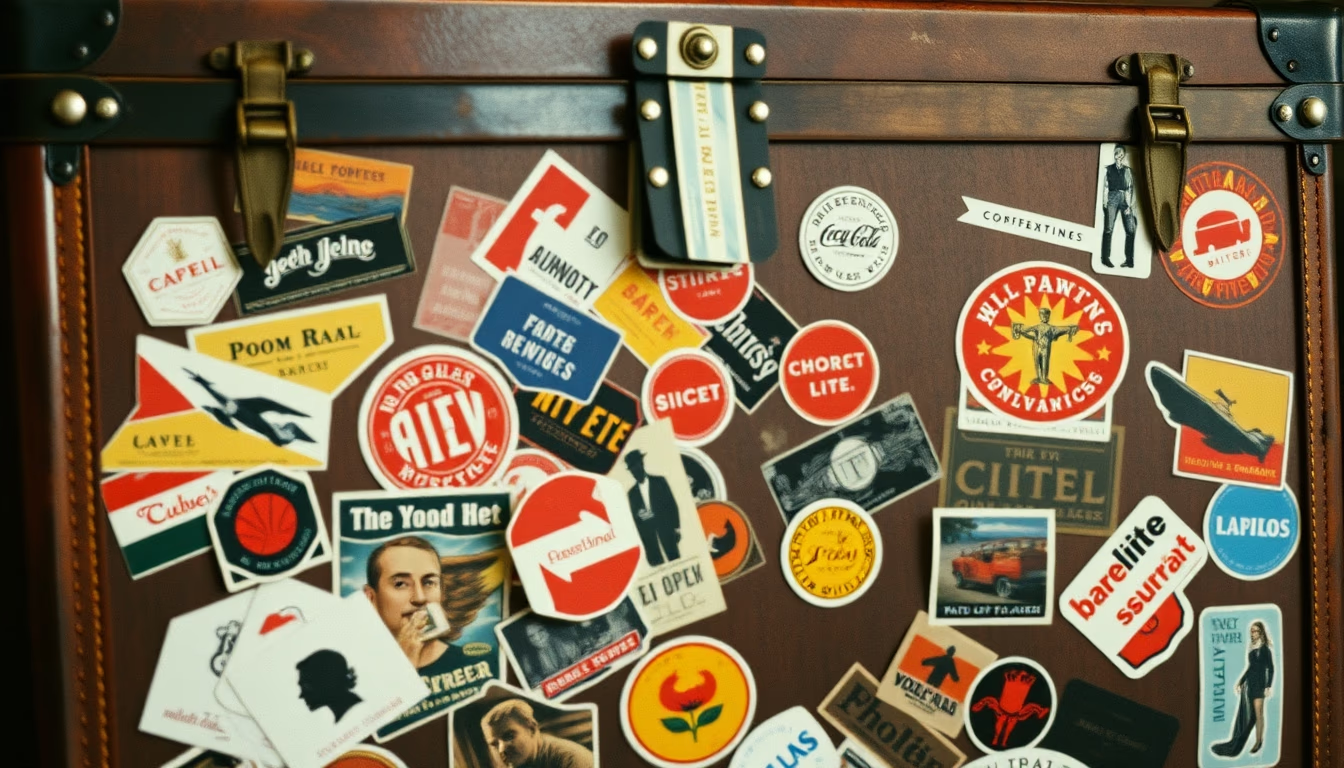
A steamer trunk covered in vintage stickers, a witness to the golden age of transatlantic travel and souvenir collecting.
About this subject
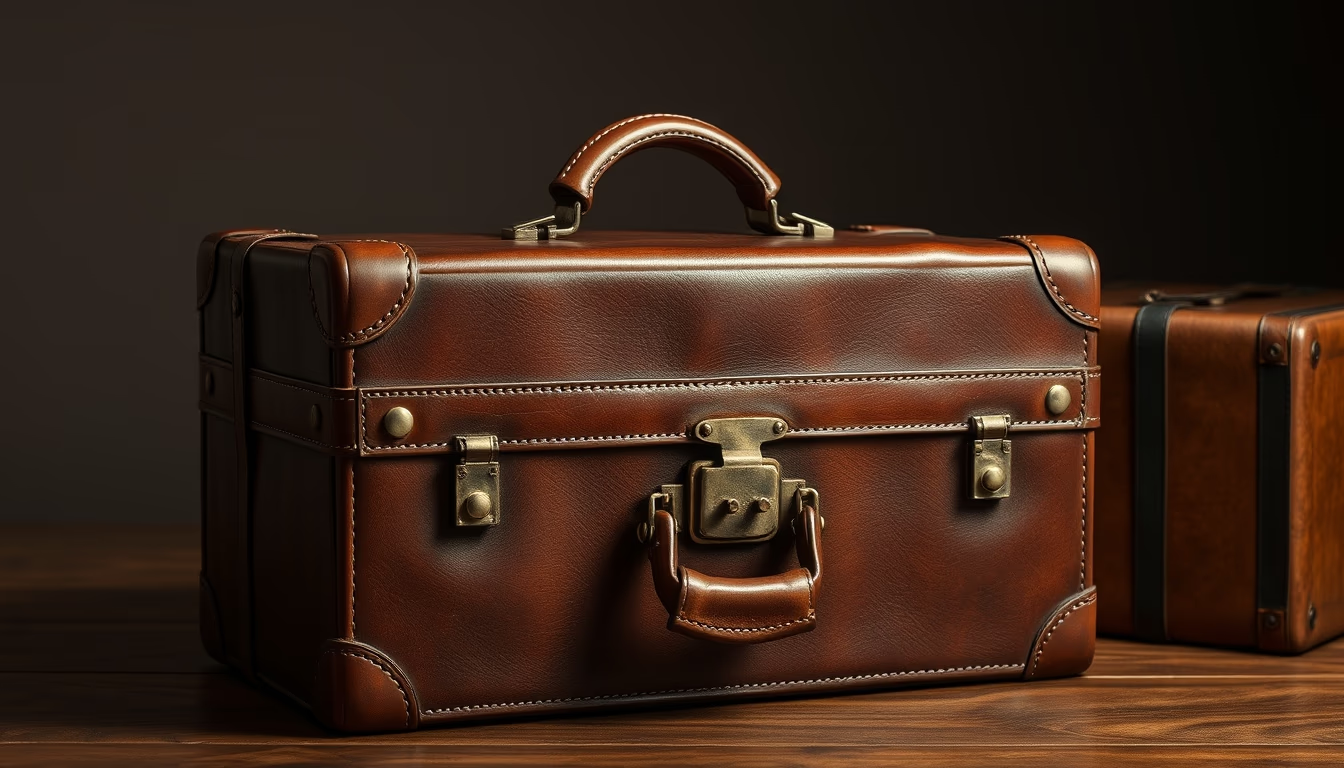
Steamer trunks emerged in the 19th century as the primary luggage for long-distance travel, especially aboard ocean liners connecting Europe and the Americas. Made of wood reinforced with metal and covered in canvas or leather, they were designed to withstand rough handling in ship holds. Their flat tops allowed stacking, optimizing cargo space. Between 1880 and 1930, as maritime travel boomed, these trunks became status symbols and adventure icons.
The vintage stickers adorning the trunk narrate the traveler's journey: each label represents a port of call, a hotel, a steamship line, or a world's fair. Collecting these stickers was a way to document routes and display cosmopolitan experiences. Their vibrant colors and art deco typography reflect early 20th-century graphic design, influenced by modernism and tourism advertising. Many stickers featured coats of arms, exotic landscapes, or promotional slogans.
Today, steamer trunks with original stickers are coveted by antique dealers and interior decorators. Each sticker serves as a historical source for trade routes, travel patterns, and brand visual identity evolution. The isometric flat-lay composition of this image highlights the overlap and natural wear of paper layers, revealing patina and time. At auction, a trunk with rare stickers from destinations like Shanghai, Bombay, or Rio de Janeiro can fetch high prices due to demand for authentic period pieces.
Interestingly, some travelers purchased blank stickers at ports and only applied them after visiting a location. Others requested hotel or ship staff to stamp the sticker, creating a proof of presence. The practice declined with the rise of commercial aviation and standardized suitcases, but the fascination with these printed paper fragments endures as a tangible link to the past.
Frequently Asked Questions
What were steamer trunks used for?
Steamer trunks served as the main luggage for long journeys, particularly on transatlantic ocean liners. They stored clothes and belongings for months, designed for stacking and resistance to moisture and impacts.
Why did people put stickers on trunks?
Travelers affixed stickers from hotels, shipping lines, and visited destinations as souvenirs and proof of travel. It was a form of collecting and status display, documenting the route taken.
How to identify authentic vintage trunk stickers?
Authentic stickers show aged paper, faded colors, yellowed edges, and original adhesive. Relief typographic impressions are common. Watermarks or logos of defunct hotels help date the piece.
Direct URL
https://pub-c7d6a6ea828543ac903a74a341ccb2e1.r2.dev/imagens/steamer-trunk-vintage-stickers-isometric-flat-lay-fresh1.avifHow to credit
Include a visible link back to UtilizAí. Copy one of the snippets below:
<a href="https://xn--utiliza-eza.com/en/midia/imagens/steamer-trunk-vintage-stickers-isometric-flat-lay-fresh1">Steamer trunk vintage stickers</a> by <a href="https://xn--utiliza-eza.com">UtilizAí</a>, licensed under <a href="https://creativecommons.org/licenses/by/4.0/">CC BY 4.0</a>.
[Steamer trunk vintage stickers](https://xn--utiliza-eza.com/en/midia/imagens/steamer-trunk-vintage-stickers-isometric-flat-lay-fresh1) by [UtilizAí](https://xn--utiliza-eza.com), CC BY 4.0
License: CC-BY-4.0