Standing desk converted
1344×768 · AVIF · CC BY 4.0
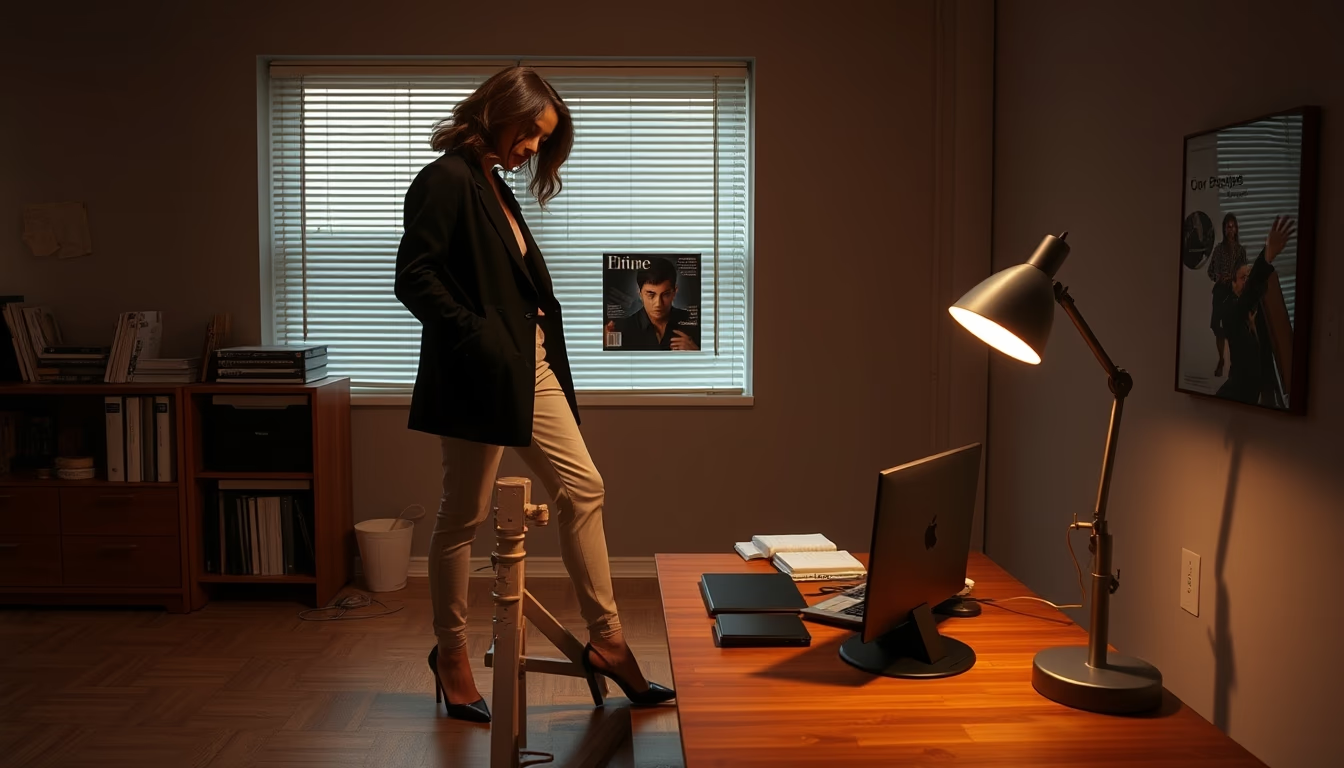
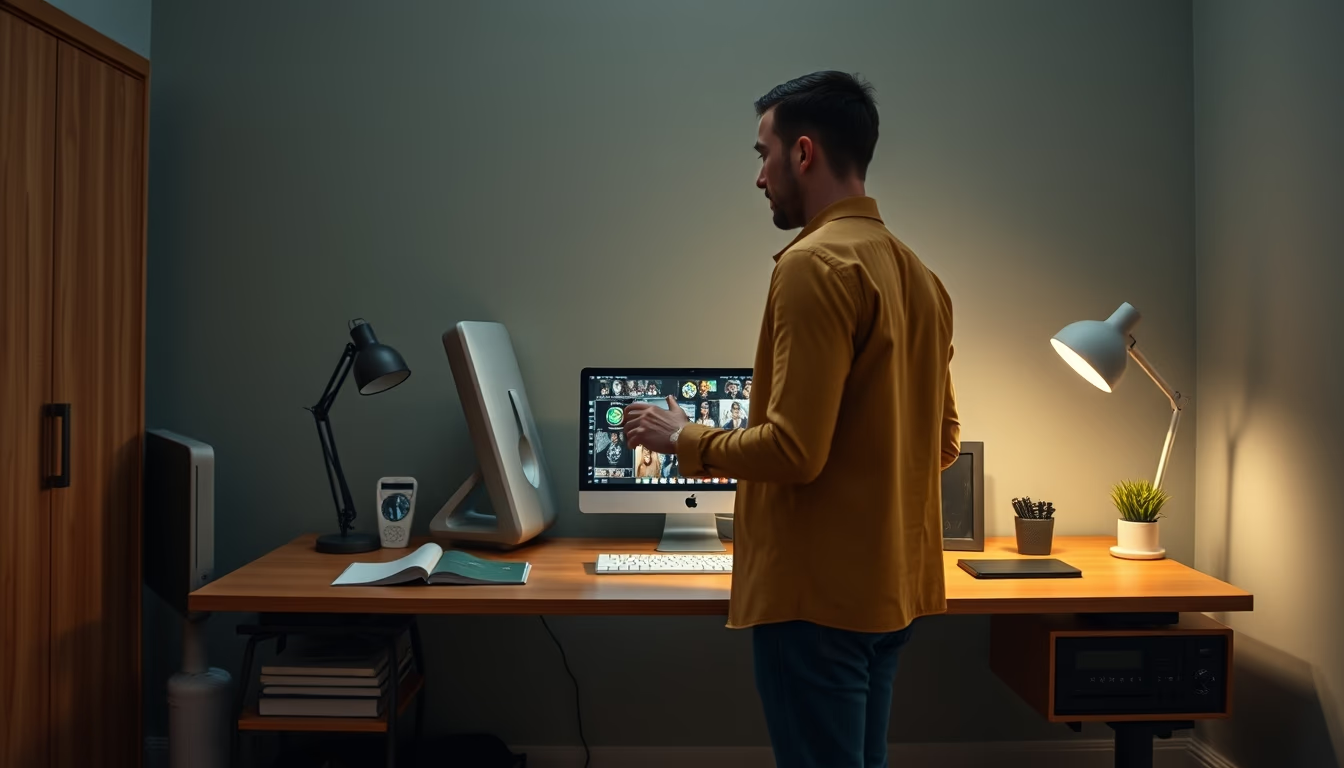
An adjustable desk converting from sitting to standing, merging ergonomics and cutting-edge design in the modern corporate environment.
About this subject
A standing desk, also known as a height-adjustable desk, enables users to switch between sitting and standing positions throughout the workday. This furniture type gained traction with studies linking prolonged sitting to cardiovascular issues and back pain. The World Health Organization recommends active breaks and varied postures to mitigate occupational risks. Manual or electric lift mechanisms facilitate the transition, with advanced models offering programmable height presets for different users.
Historically, standing desks are not new. Leonardo da Vinci and Thomas Jefferson used elevated work surfaces. However, the sit-stand movement of the 2000s solidified the concept in corporate settings, driven by brands like Steelcase and Herman Miller. Design evolved from simple metal frames to pieces with solid oak tops, brushed aluminum legs, and integrated cable management systems.
In the high-fashion editorial realm, the standing desk becomes a style and productivity statement. Collaborations between furniture designers and fashion houses result in pieces resembling sculptures: minimalist lines, muted colors, and premium materials. These desks appear in editorials for magazines like Vogue and Architectural Digest, associated with creative professionals and executives who value both health and aesthetics. The trend reflects a quest for workspaces that inspire creativity and well-being, where the furniture is not only functional but also a work of art.
Interestingly, proper ergonomics with a standing desk require the monitor at eye level and elbows at a 90-degree angle. Even with sophisticated design, standing excessively can cause fatigue, so alternating every 30 to 60 minutes is recommended. Studies show that combining postures can boost concentration by up to 15%.
Frequently Asked Questions
What are the main benefits of using a desk that alternates between sitting and standing?
It reduces lower back pain, improves circulation, increases calorie burn, and can boost productivity. Alternating postures lowers sedentary risks such as cardiovascular disease and type 2 diabetes.
Is it difficult to convert a regular desk into a standing desk?
Add-ons like desk risers or monitor stands allow using a fixed desk while standing. However, dedicated electric adjustable models offer greater stability and ease when switching heights.
How does high-fashion editorial influence standing desk design?
Fashion and design editorials promote desks with noble materials, flawless finishes, and contemporary lines. This aesthetic elevates the desk to a coveted object, blending ergonomic function with art and status.
Direct URL
https://pub-c7d6a6ea828543ac903a74a341ccb2e1.r2.dev/imagens/standing-desk-converted-high-fashion-editorial-p2.avifHow to credit
Include a visible link back to UtilizAí. Copy one of the snippets below:
<a href="https://xn--utiliza-eza.com/en/midia/imagens/standing-desk-converted-high-fashion-editorial-p2">Standing desk converted</a> by <a href="https://xn--utiliza-eza.com">UtilizAí</a>, licensed under <a href="https://creativecommons.org/licenses/by/4.0/">CC BY 4.0</a>.
[Standing desk converted](https://xn--utiliza-eza.com/en/midia/imagens/standing-desk-converted-high-fashion-editorial-p2) by [UtilizAí](https://xn--utiliza-eza.com), CC BY 4.0
License: CC-BY-4.0