Spa bathroom natural stone
1344×768 · AVIF · CC BY 4.0
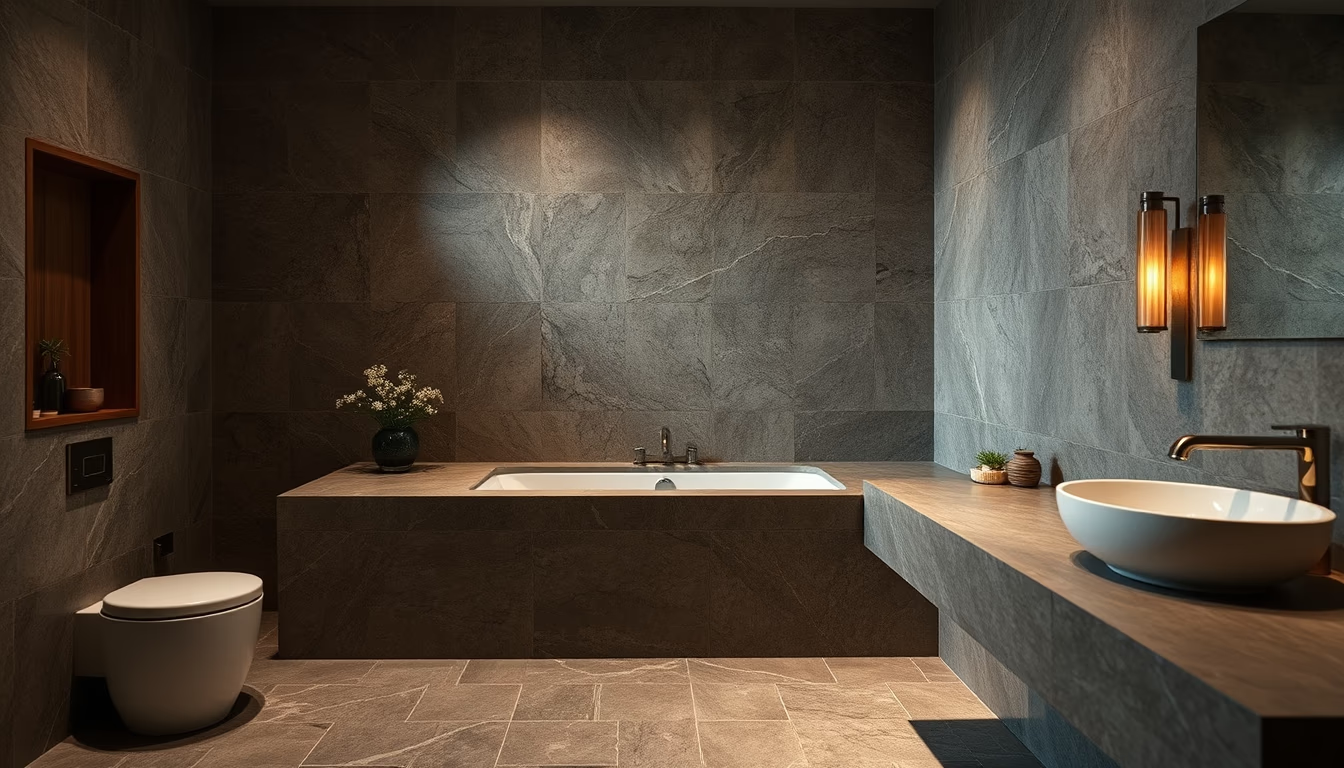
Spa-inspired bathrooms with natural stone combine organic aesthetics and functionality, creating a wellness retreat at home.
About this subject
Bathrooms evoking a spa atmosphere have become a strong trend in interior design, especially with the use of natural stone. Materials like marble, granite, travertine, and slate are chosen not only for their beauty but also for durability and tactile sensation. Natural stone, extracted from quarries worldwide, undergoes cutting and polishing processes that highlight its unique veins and textures.
In Brazil, stones such as Carrara marble (imported from Italy) or Preto São Gabriel granite (domestic) are common for countertops, wall cladding, and flooring. The natural humidity of bathrooms requires resistant materials, and natural stone, when properly sealed, offers protection against stains and steam. Additionally, the thermal conductivity of stone helps maintain a pleasant temperature, especially in warm climates.
Spa elements like stone benches, rain-effect showers, and soaking tubs are integrated into the design. Indirect lighting and vegetation (such as ferns or orchids) complement the space, promoting relaxation. Maintenance involves cleaning with neutral products and periodic reapplication of sealant, ensuring the longevity of the cladding.
Fun fact: the term "spa" comes from the Belgian town of Spa, famous for its thermal springs since Roman times. Today, the wellness industry moves billions, and residential bathroom design seeks to replicate this experience, with natural stone as the protagonist.
Frequently Asked Questions
What are the best natural stones for a bathroom?
Marble, granite, travertine, and slate are popular. Marble offers elegance but requires more maintenance. Granite is more resistant to stains and scratches. Travertine has a porous texture needing sealant. Slate is slip-resistant, ideal for floors.
How to maintain natural stone in the bathroom?
Clean with warm water and mild soap, avoiding acidic or abrasive products. Apply sealant every 6-12 months to protect against stains and moisture. Wipe surfaces dry after use to prevent limescale buildup.
Does a natural stone bathroom increase property value?
Yes, natural stone cladding is considered high-end and can increase resale value, especially if well-maintained. The spa-at-home trend is valued in the real estate market.
Direct URL
https://pub-c7d6a6ea828543ac903a74a341ccb2e1.r2.dev/imagens/spa-bathroom-natural-stone-studio-editorial-portrait.avifHow to credit
Include a visible link back to UtilizAí. Copy one of the snippets below:
<a href="https://xn--utiliza-eza.com/en/midia/imagens/spa-bathroom-natural-stone-studio-editorial-portrait">Spa bathroom natural stone</a> by <a href="https://xn--utiliza-eza.com">UtilizAí</a>, licensed under <a href="https://creativecommons.org/licenses/by/4.0/">CC BY 4.0</a>.
[Spa bathroom natural stone](https://xn--utiliza-eza.com/en/midia/imagens/spa-bathroom-natural-stone-studio-editorial-portrait) by [UtilizAí](https://xn--utiliza-eza.com), CC BY 4.0
License: CC-BY-4.0