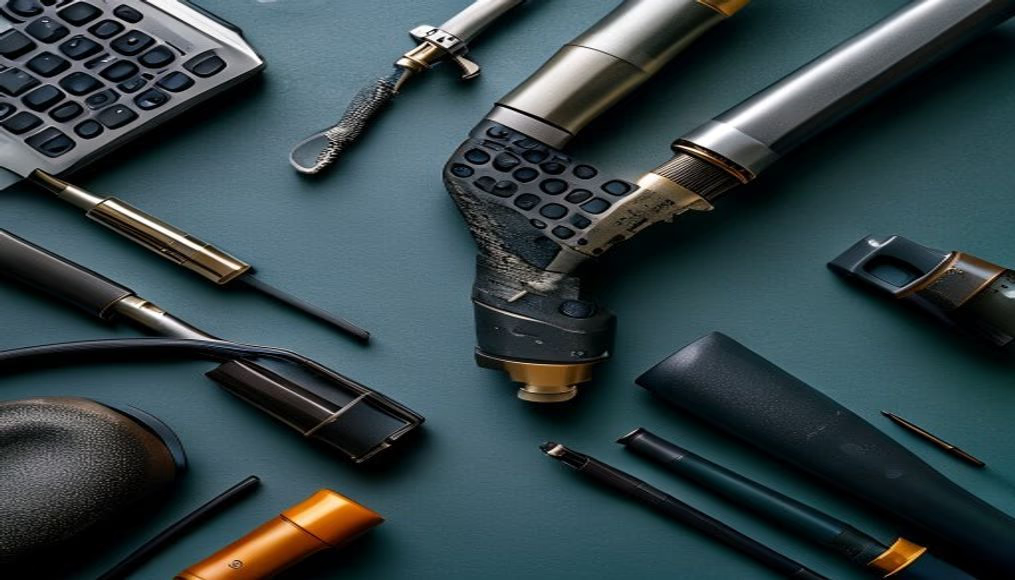
Soldering iron tip
1344×768 · AVIF · CC BY 4.0

The soldering iron tip is the component that transfers heat and melts solder, essential for precise electronic assemblies.
About this subject
A soldering iron tip, also known as a bit, is the part of the tool that makes direct contact with solder and electronic components. Typically made of copper plated with iron or nickel, its purpose is to conduct heat efficiently and resist oxidation. Tip geometry varies by application: fine conical tips are used for soldering surface-mount devices (SMDs), while beveled or chisel-shaped tips are preferred for wires and larger terminals. Common operating temperatures range from 300°C to 400°C, depending on the solder type (leaded or lead-free) and component size.
The tip material directly affects durability and heat transfer. Pure copper tips conduct heat quickly but oxidize easily; therefore, they are coated with iron and nickel layers to form a protective barrier. Over time, the coating can wear off, leading to pitting and reduced efficiency. Proper maintenance includes cleaning with a damp sponge or brass wool, avoiding abrasives like sandpaper that strip the coating. Applying fresh solder to the heated tip (tinning) helps prevent oxidation.
In modern electronics, choosing the correct tip is critical to avoid thermal damage to sensitive components such as microcontrollers and plastic connectors. Temperature-controlled soldering stations allow users to adjust power and extend tip life. Interestingly, specialized tip shapes like hooks or knives are used by professionals for repairing motherboards and game consoles, enabling simultaneous desoldering of multiple pins.
Advancements include ceramic-coated tips and integrated sensors that measure tip temperature for precision in automated assembly. In production environments, tips are replaced on a scheduled basis to maintain solder joint quality. Hobbyists are advised to own a set of varied tips and clean them after each use.
Frequently Asked Questions
What is a soldering iron tip made of?
The tip is usually made of copper plated with iron and nickel for better heat conduction and oxidation resistance. Cheaper tips may be pure copper but oxidize quickly.
How to properly clean a soldering iron tip?
Use a damp sponge or brass wool while the tip is hot. Avoid sandpaper or abrasives that strip the protective coating. Always re-tin the tip with fresh solder after cleaning.
Why does a soldering iron tip oxidize and lose efficiency?
Oxidation occurs when the tip is exposed to air at high temperature without protective solder. Heat accelerates the metal's reaction with oxygen, forming a dark layer that impedes heat transfer.
Direct URL
https://pub-c7d6a6ea828543ac903a74a341ccb2e1.r2.dev/imagens/soldering-iron-tip-cinematic-wide-shot-p9.avifHow to credit
Include a visible link back to UtilizAí. Copy one of the snippets below:
<a href="https://xn--utiliza-eza.com/en/midia/imagens/soldering-iron-tip-cinematic-wide-shot-p9">Soldering iron tip</a> by <a href="https://xn--utiliza-eza.com">UtilizAí</a>, licensed under <a href="https://creativecommons.org/licenses/by/4.0/">CC BY 4.0</a>.
[Soldering iron tip](https://xn--utiliza-eza.com/en/midia/imagens/soldering-iron-tip-cinematic-wide-shot-p9) by [UtilizAí](https://xn--utiliza-eza.com), CC BY 4.0
License: CC-BY-4.0