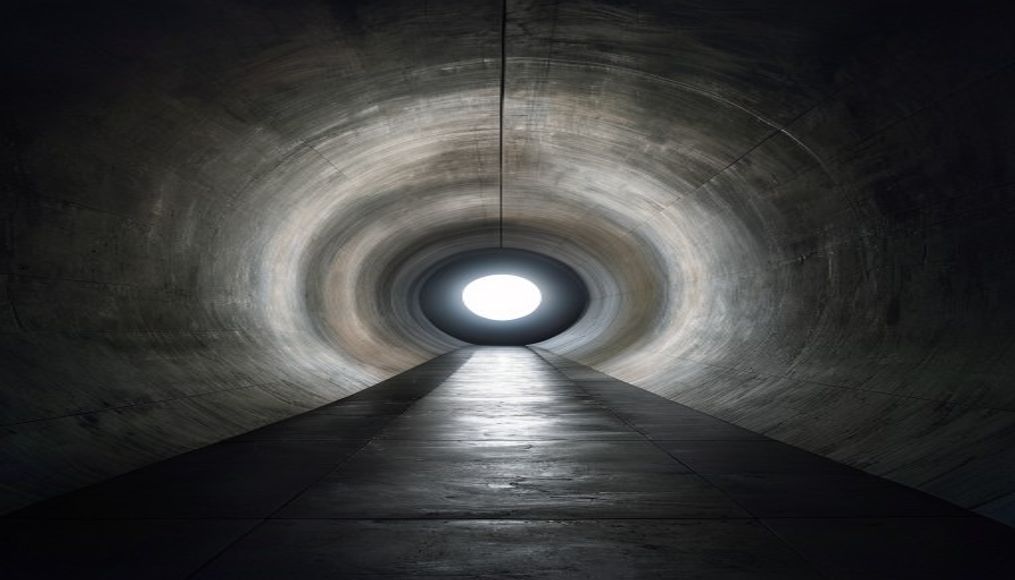
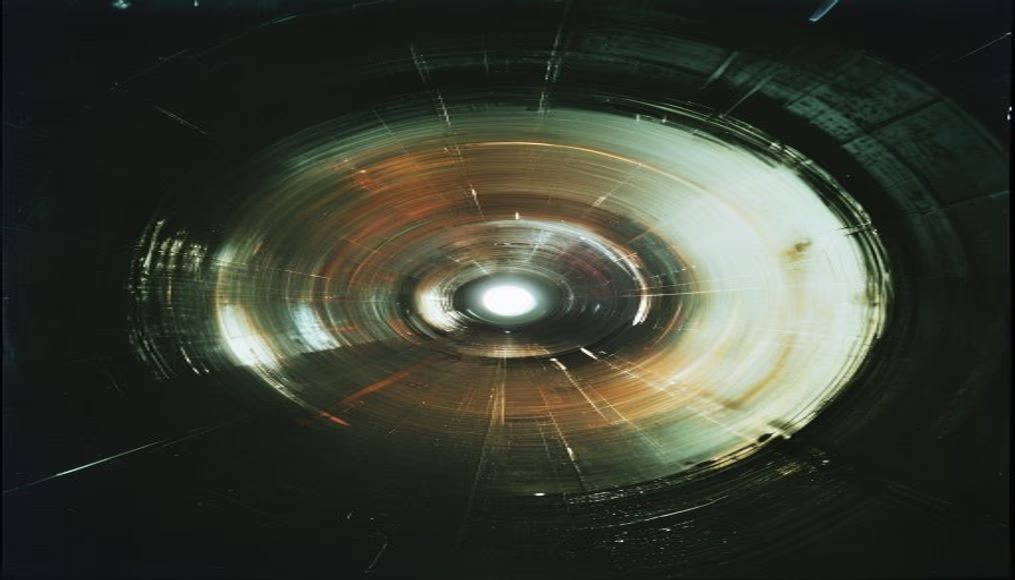
Solar wind cme
1344×768 · AVIF · CC BY 4.0

Solar wind and coronal mass ejections (CMEs) are phenomena that affect space weather and can impact satellites and power grids on Earth.
About this subject
The solar wind is a continuous stream of charged particles, mainly electrons and protons, ejected from the Sun's upper atmosphere, the corona. Traveling at speeds ranging from 300 to 800 km/s, this plasma fills the entire solar system, creating the heliosphere. The intensity and speed of the solar wind vary with solar activity, with higher emissions during the solar maximum, which occurs approximately every 11 years.
Coronal mass ejections (CMEs) are giant explosions of plasma and magnetic field from the solar corona. Unlike the constant solar wind, CMEs are eruptive events that release billions of tons of material at high speeds, reaching up to 3,000 km/s. When a CME is Earth-directed, it can take 1 to 3 days to arrive, interacting with Earth's magnetosphere and causing geomagnetic storms.
These storms can generate intense auroras at unusual latitudes, but they also pose risks: disruptions to communication and GPS satellites, overloads on power grids, and increased radiation at flight altitudes. The most famous event was the Carrington Event of 1859, a CME so powerful it caused sparks on telegraph lines. Today, agencies like NOAA constantly monitor the Sun to forecast impacts and mitigate damage.
Interestingly, the solar wind is also responsible for the formation of cometary tails, which always point away from the Sun due to particle pressure. Moreover, probes like NASA's Parker Solar Probe are studying the solar wind up close, revealing details about its acceleration and turbulence.
Frequently Asked Questions
What is the solar wind?
The solar wind is a stream of charged particles (plasma) emitted by the Sun's corona. It spreads throughout the solar system and influences space weather.
What is a coronal mass ejection (CME)?
A CME is a large release of plasma and magnetic field from the solar corona, often associated with solar flares. It travels through space and can cause geomagnetic storms when it reaches Earth.
How do CMEs affect Earth?
When a CME hits Earth's magnetosphere, it can trigger auroras, disrupt satellite communications, damage power grids, and increase radiation exposure at high altitudes.
Direct URL
https://pub-c7d6a6ea828543ac903a74a341ccb2e1.r2.dev/imagens/solar-wind-cme-architectural-photography-p4.avifHow to credit
Include a visible link back to UtilizAí. Copy one of the snippets below:
<a href="https://xn--utiliza-eza.com/en/midia/imagens/solar-wind-cme-architectural-photography-p4">Solar wind cme</a> by <a href="https://xn--utiliza-eza.com">UtilizAí</a>, licensed under <a href="https://creativecommons.org/licenses/by/4.0/">CC BY 4.0</a>.
[Solar wind cme](https://xn--utiliza-eza.com/en/midia/imagens/solar-wind-cme-architectural-photography-p4) by [UtilizAí](https://xn--utiliza-eza.com), CC BY 4.0
License: CC-BY-4.0