Soap making organic
1344×768 · AVIF · CC BY 4.0
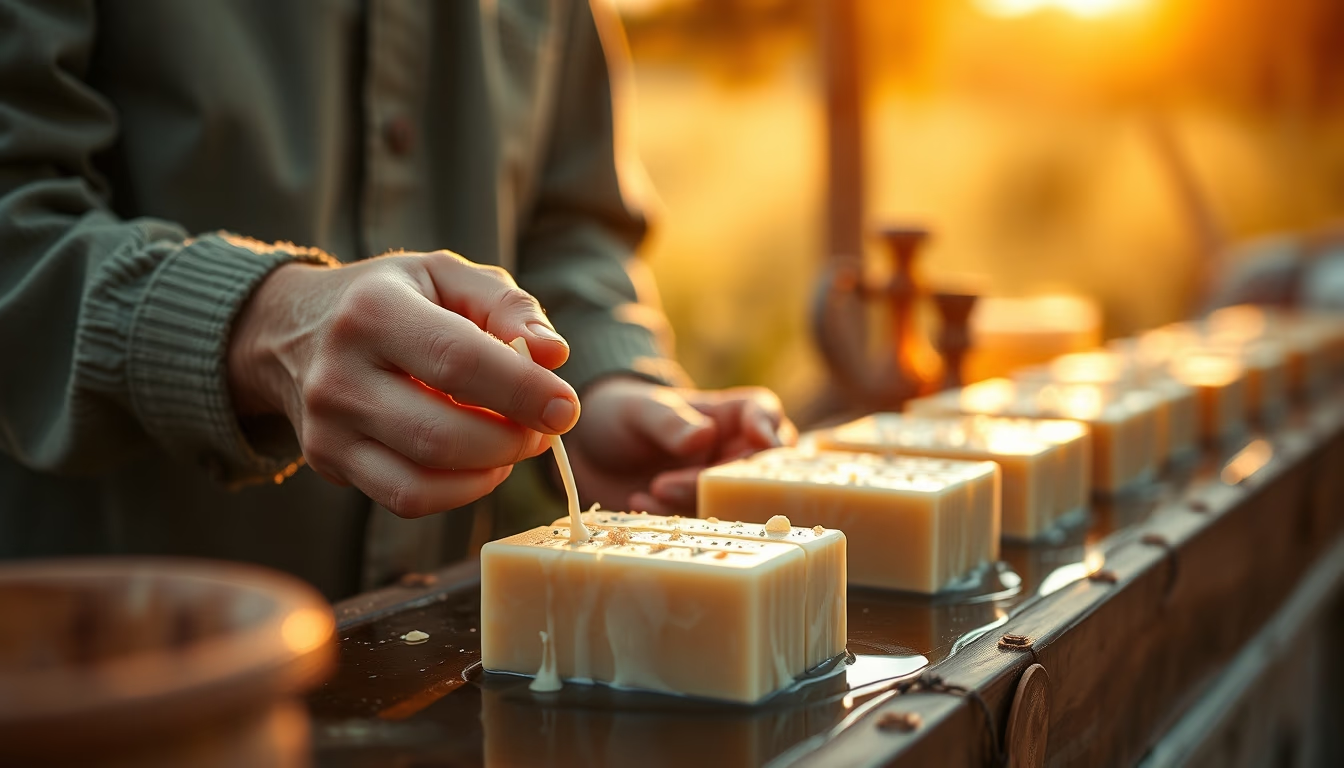
Handcrafted organic soap making combines natural ingredients, traditional techniques, and sustainability, valuing practices that respect the environment.
About this subject
Organic soap is made from vegetable oils, natural butters, and sodium hydroxide, without synthetic fragrances or preservatives. The cold-process saponification technique, common in handcrafted soap, preserves the properties of the ingredients, resulting in a product that is gentler on the skin. Unlike industrial soaps, which often use animal fats or petroleum derivatives, organic soap prioritizes certified biodegradable inputs free from pesticides.
Historically, soap-making dates back to ancient civilizations such as the Babylonians and Romans, who used ashes and fats. In Brazil, the tradition of homemade soap was maintained by rural and quilombola communities, who recycled cooking oils and local herbs. Today, the movement to reuse frying oil for ecological soap production is gaining momentum, reducing improper disposal and preventing pollution of rivers and soil.
The versatility of organic soap allows the incorporation of medicinal plants, clays, essential oils, and natural pigments such as annatto and turmeric. Each artisanal batch is unique, with variations in color, scent, and texture. Besides being an economical alternative, home production generates income for small entrepreneurs and strengthens the local economy, especially at agroecological fairs and cooperatives.
To ensure quality, it is crucial to measure lye accurately and respect the curing time, which ranges from 4 to 6 weeks. Organic soap is also safe for sensitive skin and domestic use, provided it is stored in a dry, ventilated place. With growing environmental awareness, the demand for artisanal soaps has increased by 30% in recent years, according to the Brazilian Association of Natural Cosmetics.
Frequently Asked Questions
What are the basic ingredients for making organic soap at home?
Basic ingredients include vegetable oils (such as olive, coconut, or palm), natural butters (shea, cocoa), distilled water, and sodium hydroxide (lye). It is important to use organic and certified raw materials.
Does organic soap produce more lather than industrial soap?
Not necessarily. Lather depends on the oil combination. Coconut oil, for example, produces more lather, while olive oil produces less. Organic soap prioritizes mildness and moisturizing, not abundant lather.
How to properly dispose of organic soap that did not turn out well?
Unusable organic soap can be neutralized with vinegar and disposed of in regular trash. Avoid pouring it down the sink or onto the ground, as residual lye may harm the environment.
Direct URL
https://pub-c7d6a6ea828543ac903a74a341ccb2e1.r2.dev/imagens/soap-making-organic-travel-photography-p6.avifHow to credit
Include a visible link back to UtilizAí. Copy one of the snippets below:
<a href="https://xn--utiliza-eza.com/en/midia/imagens/soap-making-organic-travel-photography-p6">Soap making organic</a> by <a href="https://xn--utiliza-eza.com">UtilizAí</a>, licensed under <a href="https://creativecommons.org/licenses/by/4.0/">CC BY 4.0</a>.
[Soap making organic](https://xn--utiliza-eza.com/en/midia/imagens/soap-making-organic-travel-photography-p6) by [UtilizAí](https://xn--utiliza-eza.com), CC BY 4.0
License: CC-BY-4.0