Soap making organic
1344×768 · AVIF · CC BY 4.0
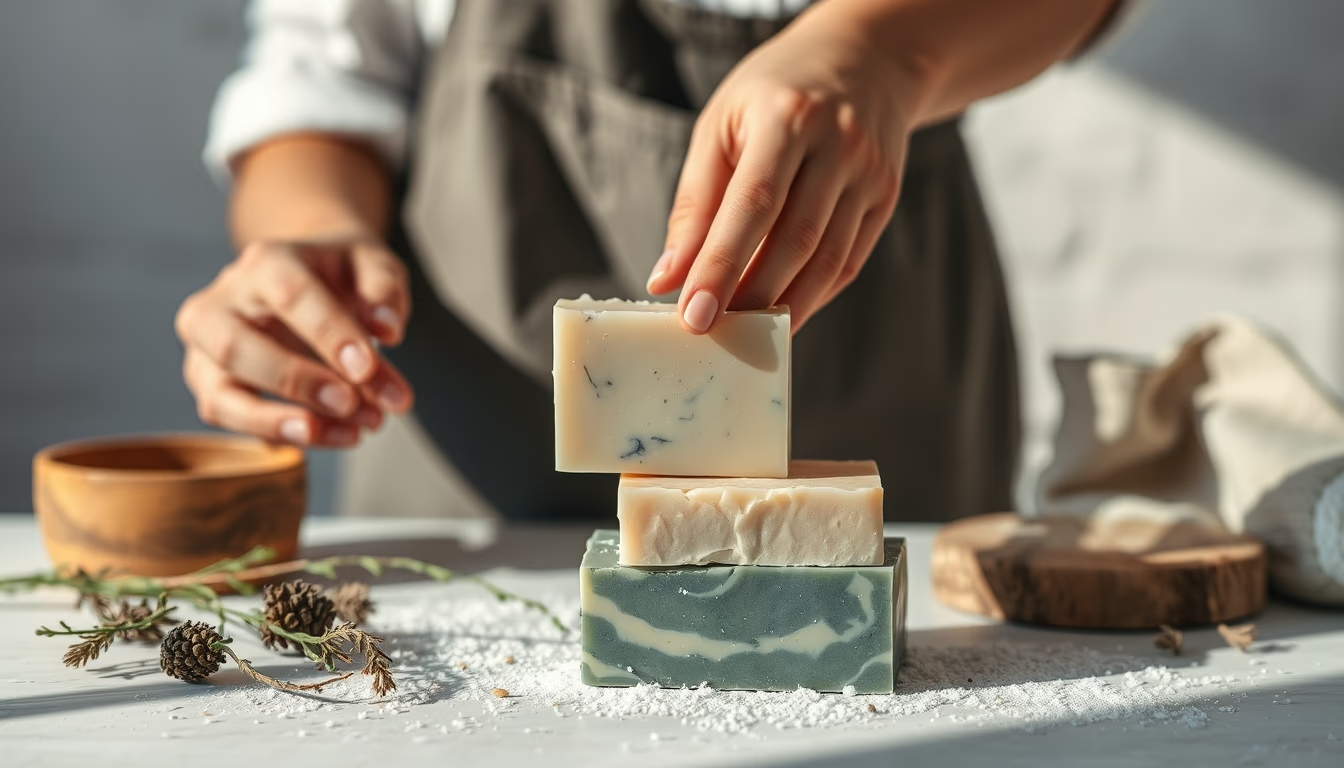
Discover what organic soap making is, its benefits for skin and the environment, and how this sustainable craft is on the rise.
About this subject
Organic soap making is a handcrafted process that uses natural ingredients such as vegetable oils, butters, and lye, without synthetic additives, artificial colors, or chemical fragrances. Unlike commercial soaps, which often contain harsh detergents and preservatives, organic soap retains the natural glycerin produced during saponification, providing hydration and gentleness to the skin. This practice emphasizes biodegradable, sustainably sourced raw materials, aligning with an eco-conscious lifestyle.
The most common method is cold process, where oils are combined with lye dissolved in water, triggering a chemical reaction called saponification. The mixture is poured into molds and cured for 4 to 6 weeks, allowing the pH to balance and the soap to become safe for use. The hot process accelerates this reaction with heat, but both require precise measurements to ensure quality. Saponification transforms the triglycerides in oils into soap and glycerin, creating a product that cleans without stripping the skin's natural barrier.
Historically, soap making dates back to ancient civilizations such as the Sumerians and Phoenicians, who used ashes and animal fats. The modern organic movement revived these ancestral techniques, adapting them with cold-pressed vegetable oils like olive, coconut, sustainable palm, and shea butter. In Brazil, homemade organic soap production has grown, especially in communities seeking ecological and economical alternatives. Local ingredients like babassu coconut oil and dendê oil give Brazilian soaps unique characteristics.
The versatility of organic soap allows for adding clays, oatmeal, dried herbs, and essential oils, which provide exfoliating, soothing, or aromatic properties. Safety precautions with lye are essential during preparation, as it is a corrosive substance; gloves and goggles are mandatory. The minimalist trend in presentation, with simple shapes and reduced packaging, reflects a pursuit of conscious consumption and natural beauty.
Frequently Asked Questions
What is organic soap?
Organic soap is a product made with natural ingredients like vegetable oils and butters, without synthetic additives. It retains the glycerin from saponification and is biodegradable, making it gentler for skin and the environment.
Is organic soap better for the skin?
Yes, because it lacks harsh detergents and artificial preservatives. The natural glycerin moisturizes and helps maintain the skin barrier, making it ideal for sensitive or dry skin.
How to make organic soap at home?
The most common method is cold process. You need vegetable oils, lye, water, and a mold. Mix the lye into water, combine with oils, blend until trace, and pour into the mold. After 4 to 6 weeks of curing, the soap is ready.
Direct URL
https://pub-c7d6a6ea828543ac903a74a341ccb2e1.r2.dev/imagens/soap-making-organic-minimalist-composition-p2.avifHow to credit
Include a visible link back to UtilizAí. Copy one of the snippets below:
<a href="https://xn--utiliza-eza.com/en/midia/imagens/soap-making-organic-minimalist-composition-p2">Soap making organic</a> by <a href="https://xn--utiliza-eza.com">UtilizAí</a>, licensed under <a href="https://creativecommons.org/licenses/by/4.0/">CC BY 4.0</a>.
[Soap making organic](https://xn--utiliza-eza.com/en/midia/imagens/soap-making-organic-minimalist-composition-p2) by [UtilizAí](https://xn--utiliza-eza.com), CC BY 4.0
License: CC-BY-4.0