Soap making organic
1344×768 · AVIF · CC BY 4.0
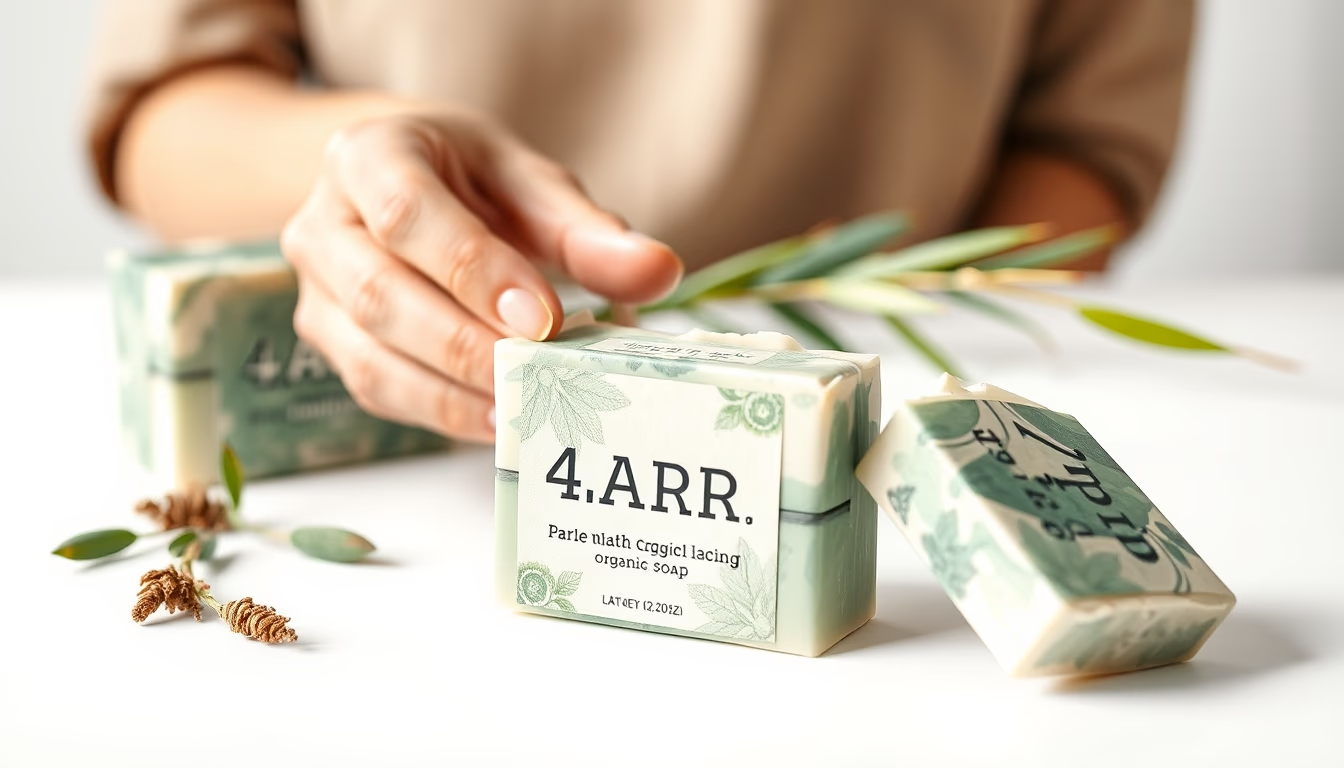
Organic soap making combines natural ingredients like vegetable oils and herbs, resulting in a biodegradable product free from synthetic chemicals.
About this subject
Organic soap is produced without synthetic detergents, preservatives, or artificial fragrances. Unlike industrial soaps that remove glycerin during processing, handmade organic soap retains this moisturizing compound, benefiting the skin. The base recipe includes vegetable oils such as olive oil, coconut oil, and shea butter, which undergo cold saponification, where lye reacts with oils without external heat, preserving ingredient properties.
In addition to oils, dried herbs like chamomile and calendula, colored clays (kaolin, bentonite) and pure essential oils are incorporated for aroma. Each addition serves a purpose: calendula soothes sensitive skin, green clay absorbs oil, and lavender essential oil offers antiseptic properties. The curing time ranges from four to six weeks, during which the lye neutralizes and the soap achieves its ideal texture.
Consumption of organic soap is growing alongside the demand for sustainable cosmetics. Certifications such as IBD and EcoCert ensure ingredients are grown without pesticides and that the production process respects the environment. Free from sulfates or parabens, organic soap reduces the risk of allergies and irritations, making it suitable for atopic or sensitive skin.
Historically, soap was already made with ashes and animal fats over 4,000 years ago in Mesopotamia. The organic version revives this ancestral knowledge, adapting it with cold-pressed vegetable oils and botanical essences. Small artisan producers lead this movement, offering unique bars that combine functionality and respect for the planet.
Frequently Asked Questions
What differentiates organic soap from conventional soap?
Organic soap is made with naturally grown ingredients without pesticides, contains no synthetic detergents, preservatives, or artificial fragrances, and retains natural glycerin, making it more moisturizing and biodegradable.
What ingredients are commonly used in organic soap making?
Vegetable oils like olive, coconut, and sustainable palm, butters such as shea and cocoa, plus herbs (calendula, rosemary), clays, and pure essential oils.
Does organic soap produce less lather than industrial soap?
Yes, it usually produces less lather because it lacks synthetic foaming agents like sodium lauryl sulfate. The lather is creamier and less harsh on the skin.
Direct URL
https://pub-c7d6a6ea828543ac903a74a341ccb2e1.r2.dev/imagens/soap-making-organic-commercial-product-photography-p5.avifHow to credit
Include a visible link back to UtilizAí. Copy one of the snippets below:
<a href="https://xn--utiliza-eza.com/en/midia/imagens/soap-making-organic-commercial-product-photography-p5">Soap making organic</a> by <a href="https://xn--utiliza-eza.com">UtilizAí</a>, licensed under <a href="https://creativecommons.org/licenses/by/4.0/">CC BY 4.0</a>.
[Soap making organic](https://xn--utiliza-eza.com/en/midia/imagens/soap-making-organic-commercial-product-photography-p5) by [UtilizAí](https://xn--utiliza-eza.com), CC BY 4.0
License: CC-BY-4.0