Snorkel mask glass
1344×768 · AVIF · CC BY 4.0

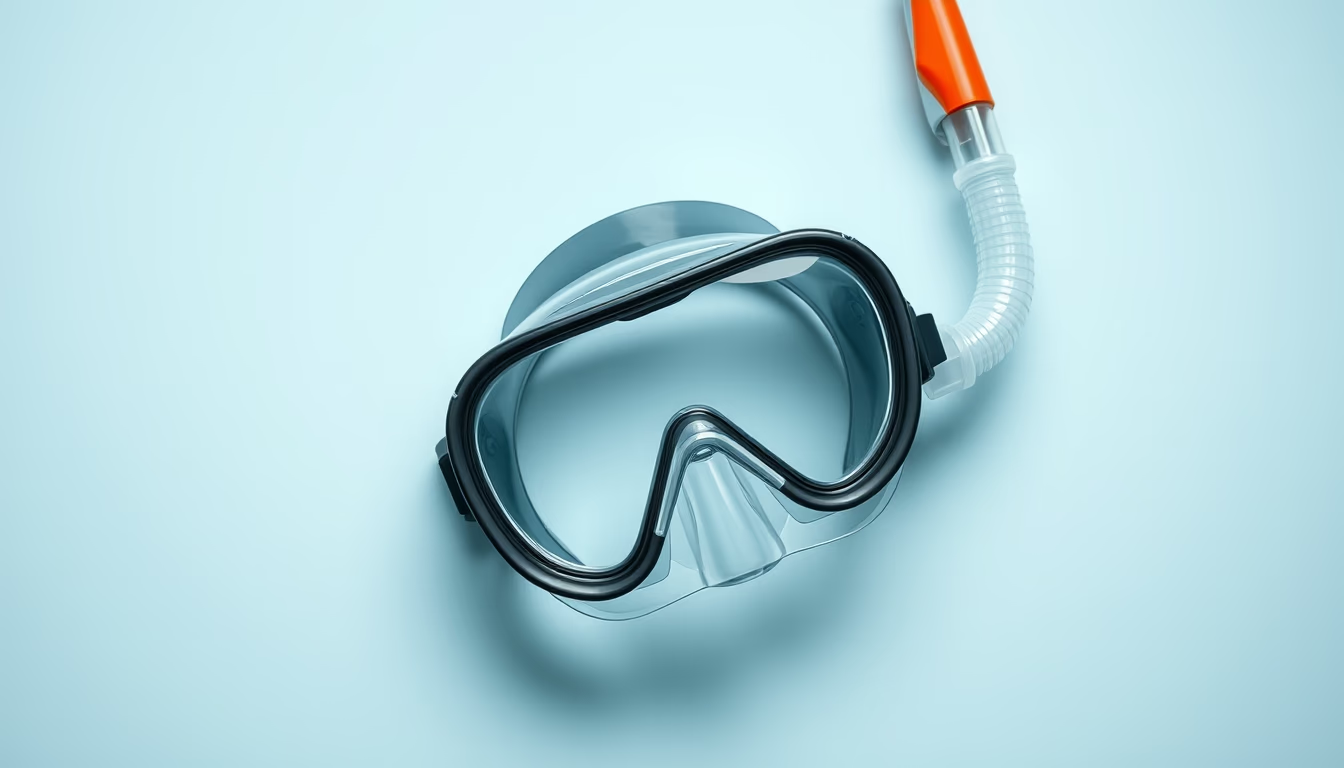
Tempered glass is the standard in snorkel masks for its strength and shatter resistance, essential for recreational diving.
About this subject
Snorkel mask lenses are predominantly made of tempered glass, a material heat-treated to withstand impacts and pressure changes without shattering into sharp fragments. This type of glass is mandatory in certified diving equipment because, in case of an accident, it breaks into small harmless pebbles. The tempering process involves heating the glass to around 600°C and rapidly cooling it, creating internal stresses that increase mechanical strength up to five times compared to ordinary glass.
Typical lens thickness ranges from 2.5 to 4 millimeters, and many masks feature anti-fog treatment or hydrophobic coatings to prevent condensation. Although cheaper models sometimes use polycarbonate, tempered glass is preferred because it does not scratch easily and maintains optical clarity even after years of use. Proper maintenance includes rinsing with fresh water and mild soap after each dive, avoiding solvents that could damage the silicone skirt.
In the context of scuba diving and snorkeling, the tempered glass mask is essential: it creates an air pocket in front of the eyes, enabling clear vision underwater. The glass is compatible with prescription lenses and can be replaced in modular designs. From the first laminated glass masks in the 1930s to modern ones with liquid silicone skirts, material evolution has prioritized diver safety and comfort.
A fun fact: tempered glass used in dive masks undergoes thermal shock and drop tests for ASTM or CE certification. Major brands like Mares, Cressi, and Scubapro use this material in virtually all their lines. When buying a mask, check that the lens has "Tempered" or "Safety Glass" engraved in the corner, a sign it meets international standards.
Frequently Asked Questions
Can I use any glass for a snorkel mask?
No. Regular glass is unsafe because it shatters into sharp fragments. Only tempered glass or optical-grade polycarbonate is recommended for dive mask lenses.
How to clean tempered glass mask without scratching?
Rinse with fresh water and mild soap using your fingers or a soft sponge. Avoid dry cloths or abrasives. Do not use alcohol or acetone, as they can damage the anti-fog coating.
Does tempered glass fog up? How to prevent it?
Yes, any glass can fog due to temperature differences. Apply a commercial anti-fog agent or spit and rinse before diving. New masks often require pre-treatment with toothpaste to remove factory residues.
Direct URL
https://pub-c7d6a6ea828543ac903a74a341ccb2e1.r2.dev/imagens/snorkel-mask-glass-cinematic-wide-shot-fresh3.avifHow to credit
Include a visible link back to UtilizAí. Copy one of the snippets below:
<a href="https://xn--utiliza-eza.com/en/midia/imagens/snorkel-mask-glass-cinematic-wide-shot-fresh3">Snorkel mask glass</a> by <a href="https://xn--utiliza-eza.com">UtilizAí</a>, licensed under <a href="https://creativecommons.org/licenses/by/4.0/">CC BY 4.0</a>.
[Snorkel mask glass](https://xn--utiliza-eza.com/en/midia/imagens/snorkel-mask-glass-cinematic-wide-shot-fresh3) by [UtilizAí](https://xn--utiliza-eza.com), CC BY 4.0
License: CC-BY-4.0