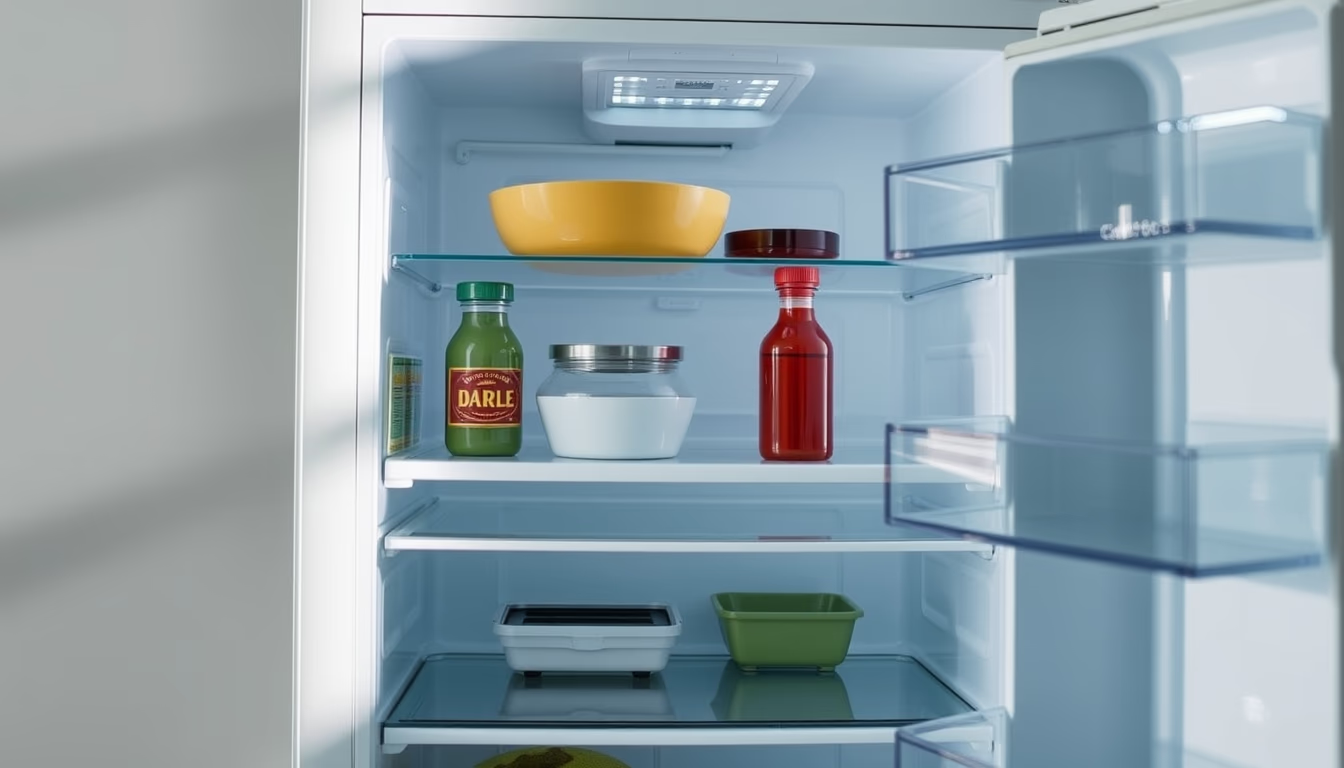
Smart kitchen appliances
1344×768 · AVIF · CC BY 4.0

Smart kitchen appliances revolutionize cooking with connectivity, IoT integration, and energy efficiency, from smart ovens to refrigerators.
About this subject
Smart kitchen appliances represent a significant evolution in how we interact with the kitchen. Integrated into the Internet of Things (IoT), these devices allow remote control via smartphones, voice assistants like Alexa and Google Assistant, and task automation. Examples include refrigerators with internal cameras that monitor stock, ovens that automatically adjust temperature based on recipes, and cooktops with pan sensors. This technology not only offers convenience but also contributes to energy efficiency, reducing waste.
The global smart kitchen appliance market is growing rapidly, driven by demand for connected homes and sustainability. Companies like Samsung, LG, and Whirlpool compete on innovations such as touchscreen panels, over-the-air updates, and integration with grocery delivery apps. By 2026, it is predicted that over 50% of households in developed countries will have at least one smart device in the kitchen. In Brazil, adoption is still lower due to cost, but is expected to rise as prices drop and availability increases.
A curious fact is that smart ovens can use artificial intelligence to recognize foods and suggest recipes, as well as send notifications when the dish is ready. Smart refrigerators can alert users about expiration dates and even create shopping lists automatically. Security is a concern: it is crucial to keep Wi-Fi networks protected and check firmware updates to avoid vulnerabilities.
For travelers, smart kitchen appliances offer the ability to control the kitchen remotely, such as preheating the oven before arriving home or checking if the stove was turned off. This integration with modern routines makes the kitchen more efficient and personalized, aligning with the increasingly popular smart home trends.
Frequently Asked Questions
How do smart kitchen appliances work?
They connect to the internet via Wi-Fi, allowing remote control through apps or voice assistants. Sensors and artificial intelligence optimize functions such as temperature, cooking time, and energy consumption.
What are the most common examples of smart kitchen appliances?
Refrigerators with internal cameras and touchscreens, ovens that recognize food, app-programmable coffee makers, cooktops with pan sensors, and dishwashers with smart cycles.
Is it worth investing in smart kitchen appliances?
Yes, if you seek convenience, energy savings, and integration with the smart home. However, it is important to check compatibility with other devices and ensure network security.
Direct URL
https://pub-c7d6a6ea828543ac903a74a341ccb2e1.r2.dev/imagens/smart-kitchen-appliances-travel-photography-p4.avifHow to credit
Include a visible link back to UtilizAí. Copy one of the snippets below:
<a href="https://xn--utiliza-eza.com/en/midia/imagens/smart-kitchen-appliances-travel-photography-p4">Smart kitchen appliances</a> by <a href="https://xn--utiliza-eza.com">UtilizAí</a>, licensed under <a href="https://creativecommons.org/licenses/by/4.0/">CC BY 4.0</a>.
[Smart kitchen appliances](https://xn--utiliza-eza.com/en/midia/imagens/smart-kitchen-appliances-travel-photography-p4) by [UtilizAí](https://xn--utiliza-eza.com), CC BY 4.0
License: CC-BY-4.0