Smart home control panel
1344×768 · AVIF · CC BY 4.0
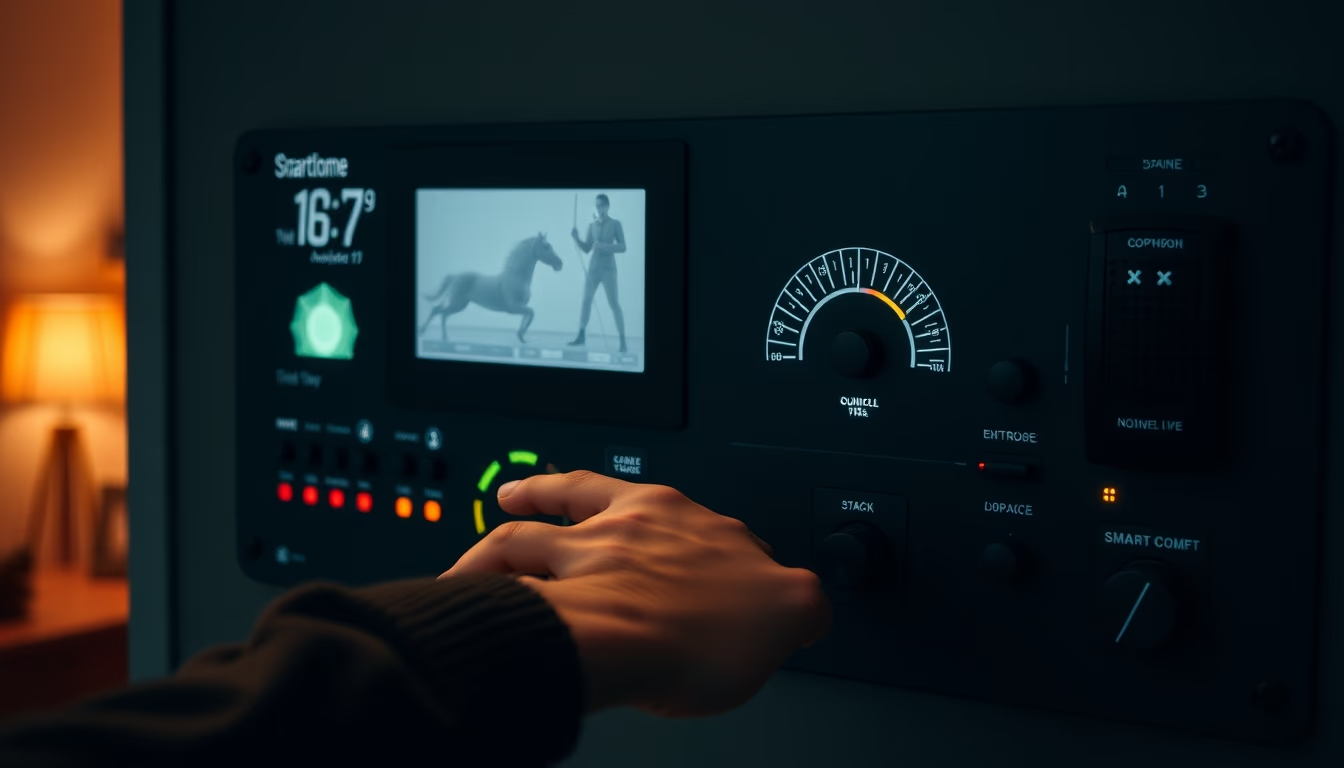
Smart home control panels centralize functions like lighting, temperature, and security in a single touchscreen device.
About this subject
Smart home control panels are wall-mounted touchscreen devices that consolidate lighting, climate, security, and entertainment controls into a single interface. They communicate via protocols like Wi-Fi, Zigbee, and Z-Wave, linking to sensors, smart bulbs, thermostats, and cameras. Users can create custom scenes, such as “goodnight” to turn off lights and lock doors, or adjust settings remotely via smartphone apps.
The global smart home market is projected to reach $207 billion by 2026, with control panels as a key interface. They offer voice control through Amazon Alexa or Google Assistant and often include features like intercom, video doorbell, and energy monitoring. Some high-end models, like the Crestron Home system, provide AI-driven automation that learns occupant preferences.
Historically, home automation began with the X10 protocol in the 1970s. Modern panels have evolved from simple keypads to full-color touchscreens with haptic feedback. The 2026 trend emphasizes seamless integration with broader IoT ecosystems and enhanced cybersecurity to prevent hacking. Companies like Savant and Lutron specialize in luxury installations, while budget-friendly options from Hubitat and Sonoff cater to DIY enthusiasts.
Adoption varies regionally. In North America and Europe, smart panels are common in new constructions, while in Asia, they are often integrated with smart city initiatives. Brazil’s market grows steadily, driven by increasing internet penetration and demand for energy savings. Installation typically requires a certified electrician, but wireless alternatives reduce complexity. The aesthetic design increasingly mimics minimalist tablets, with edge-to-edge glass and customizable wallpapers.
Frequently Asked Questions
What functions can a smart home panel control?
It can control lighting, temperature (HVAC), blinds and shades, security cameras, door locks, audio systems, and even connected appliances. All accessible from the touchscreen with automation options.
Do I need a fully smart home to install a control panel?
No. You can start with a panel and gradually add compatible devices. Many panels work with hubs that connect to Zigbee or Z-Wave devices, but some require a specific ecosystem.
What is the trend for smart home panels in 2026?
Deeper AI integration and voice assistant capabilities, with panels learning routines and suggesting automations. Cybersecurity will be emphasized, and designs will become sleeker and more minimalistic.
Direct URL
https://pub-c7d6a6ea828543ac903a74a341ccb2e1.r2.dev/imagens/smart-home-control-panel-film-grain-authentic-p4.avifHow to credit
Include a visible link back to UtilizAí. Copy one of the snippets below:
<a href="https://xn--utiliza-eza.com/en/midia/imagens/smart-home-control-panel-film-grain-authentic-p4">Smart home control panel</a> by <a href="https://xn--utiliza-eza.com">UtilizAí</a>, licensed under <a href="https://creativecommons.org/licenses/by/4.0/">CC BY 4.0</a>.
[Smart home control panel](https://xn--utiliza-eza.com/en/midia/imagens/smart-home-control-panel-film-grain-authentic-p4) by [UtilizAí](https://xn--utiliza-eza.com), CC BY 4.0
License: CC-BY-4.0