Small family farmer tending to organic vegetables
1344×768 · AVIF · CC BY 4.0
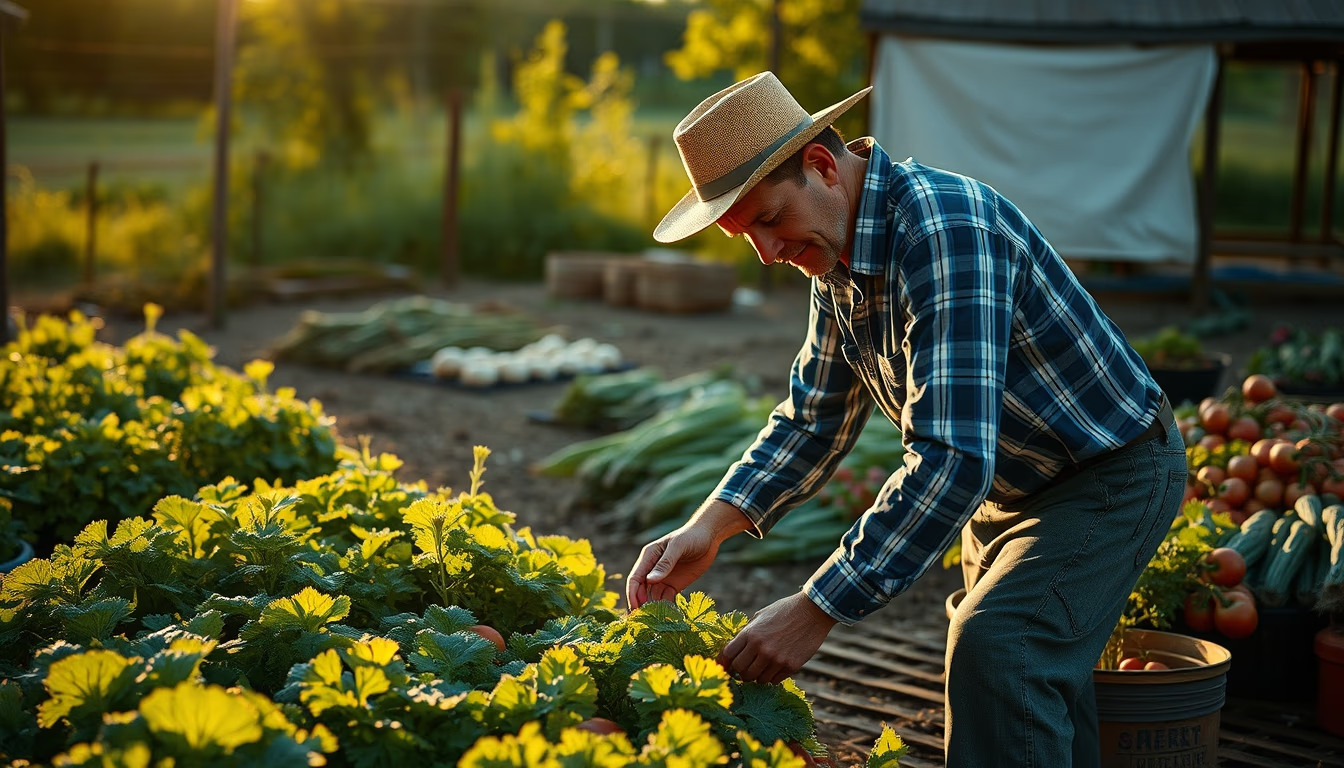
A small family farmer tends organic vegetables in the late afternoon, a practice that strengthens food security and local economies in Brazil.
About this subject
Family farming in Brazil is responsible for about 70% of the food that reaches Brazilians' tables, according to IBGE data. This production model, which prioritizes sustainability and the absence of pesticides, is practiced by millions of small producers across the country. They grow vegetables, fruits, legumes, and greens on areas generally smaller than 50 hectares, using techniques such as crop rotation, composting, and biological pest control.
Organic cultivation avoids synthetic fertilizers and pesticides, protecting local biodiversity and water resources. Additionally, organic family farming generates income for rural communities and helps keep people in the countryside. In Brazil, the Organic Brazil seal from the Ministry of Agriculture guarantees the origin and quality of these products, which are sold at farmers' markets, subscription boxes, and institutional purchase programs such as the National School Feeding Program (PNAE).
The late afternoon is a common time for harvesting and cultural practices like manual weeding and irrigation. Many family farmers adopt agroforestry systems, integrating fruit and native trees with vegetable beds, which improves the microclimate and attracts pollinators. Succession is a challenge: only 20% of rural youth intend to continue farming, according to FAO, but technical assistance and rural credit initiatives have encouraged permanence.
Frequently Asked Questions
What defines a family farmer in Brazil?
According to Law 11.326/2006, a family farmer is someone who practices rural activities, owns an area of up to 4 fiscal modules, uses predominantly family labor, and has income linked to the farm itself.
What are the environmental benefits of organic farming?
Organic farming reduces soil and water contamination, preserves biodiversity, sequesters carbon, and improves long-term soil fertility.
How can I identify certified organic products in Brazil?
Look for the Organic Brazil seal from the Ministry of Agriculture, or buy directly from producers registered in the National Register of Organic Producers.
Direct URL
https://pub-c7d6a6ea828543ac903a74a341ccb2e1.r2.dev/imagens/small-family-farmer-tending-to-organic-vegetables-wide-late-afternoon-6.avifHow to credit
Include a visible link back to UtilizAí. Copy one of the snippets below:
<a href="https://xn--utiliza-eza.com/en/midia/imagens/small-family-farmer-tending-to-organic-vegetables-wide-late-afternoon-6">Small family farmer tending to organic vegetables</a> by <a href="https://xn--utiliza-eza.com">UtilizAí</a>, licensed under <a href="https://creativecommons.org/licenses/by/4.0/">CC BY 4.0</a>.
[Small family farmer tending to organic vegetables](https://xn--utiliza-eza.com/en/midia/imagens/small-family-farmer-tending-to-organic-vegetables-wide-late-afternoon-6) by [UtilizAí](https://xn--utiliza-eza.com), CC BY 4.0
License: CC-BY-4.0