Small family farmer tending to organic vegetables
1344×768 · AVIF · CC BY 4.0
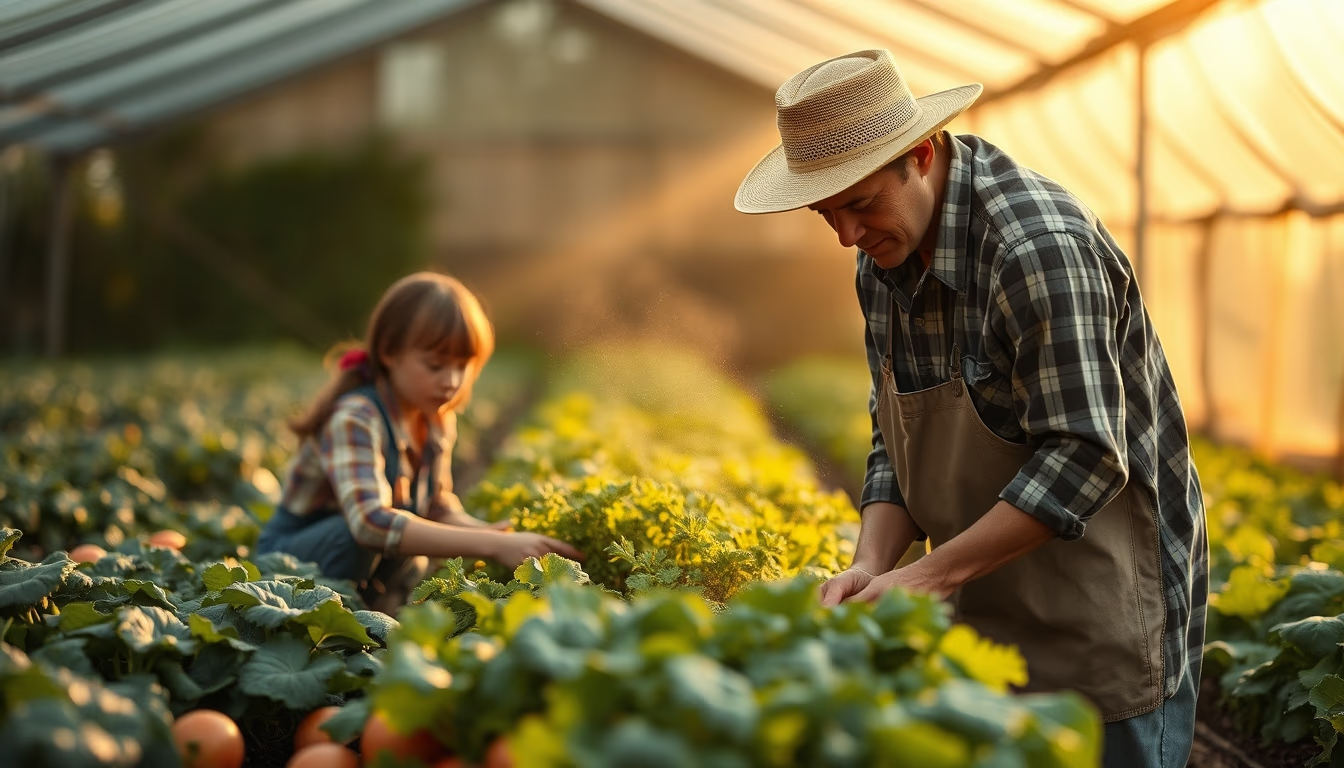
Small family farmer grows organic vegetables in an agroecological system under an overcast sky.
About this subject
Family farming is responsible for about 70% of the food consumed in Brazil, according to IBGE data. In this context, organic vegetable cultivation represents a sustainable alternative to conventional agribusiness. The depicted farmer uses practices such as crop rotation, green manure, and biological pest control, which maintain soil fertility and reduce environmental impacts. Certified organic production follows Law 10.831/2003, which prohibits synthetic pesticides and GMOs.
The agroecological system integrates traditional and scientific knowledge. Small-scale producers often diversify their crops with vegetables like lettuce, arugula, tomatoes, and carrots, ensuring year-round income. The presence of organic matter in the soil, from home composting, improves water retention and microbial activity. Embrapa studies show that organic family farms can achieve similar or higher productivity than conventional ones in the long term.
The overcast sky, common in growing regions of southern and southeastern Brazil, favors the management of leafy vegetables, which are sensitive to excessive sun. Harvesting is done manually, ensuring careful selection and less damage to vegetables. Direct sales to consumers at organic farmers' markets or through solidarity baskets strengthen the local economy and reduce intermediaries. Initiatives like the National School Feeding Program (PNAE) encourage the purchase of organic foods from family farming.
Despite the benefits, family farmers face challenges such as limited access to credit, technical assistance, and certification. Movements like La Via Campesina and the National Agroecology Articulation (ANA) advocate for public policies that value this productive model. The image symbolizes the resilience and empirical knowledge of millions of Brazilians who keep alive the tradition of growing healthy food.
Frequently Asked Questions
What characterizes organic family farming in Brazil?
Organic family farming follows Law 10.831/2003, which prohibits synthetic pesticides and GMOs, and uses practices such as crop rotation, green manure, and biological control. It is responsible for a large portion of the food consumed in the country, focusing on sustainability and direct sales to consumers.
What are the main challenges faced by small organic farmers?
The main challenges include limited access to rural credit, specialized technical assistance, and organic certification, which is often expensive and bureaucratic. Additionally, competition with conventional agribusiness and lack of supportive public policies are significant barriers.
How does overcast weather benefit vegetable cultivation?
Overcast weather reduces sunlight intensity, benefiting leafy vegetables like lettuce and arugula, which are sensitive to excessive radiation. This decreases water stress and irrigation needs, while promoting the development of tenderer and more flavorful leaves.
Direct URL
https://pub-c7d6a6ea828543ac903a74a341ccb2e1.r2.dev/imagens/small-family-farmer-tending-to-organic-vegetables-editorial-overcast-daytime-5.avifHow to credit
Include a visible link back to UtilizAí. Copy one of the snippets below:
<a href="https://xn--utiliza-eza.com/en/midia/imagens/small-family-farmer-tending-to-organic-vegetables-editorial-overcast-daytime-5">Small family farmer tending to organic vegetables</a> by <a href="https://xn--utiliza-eza.com">UtilizAí</a>, licensed under <a href="https://creativecommons.org/licenses/by/4.0/">CC BY 4.0</a>.
[Small family farmer tending to organic vegetables](https://xn--utiliza-eza.com/en/midia/imagens/small-family-farmer-tending-to-organic-vegetables-editorial-overcast-daytime-5) by [UtilizAí](https://xn--utiliza-eza.com), CC BY 4.0
License: CC-BY-4.0