Silk thread spool
1344×768 · AVIF · CC BY 4.0
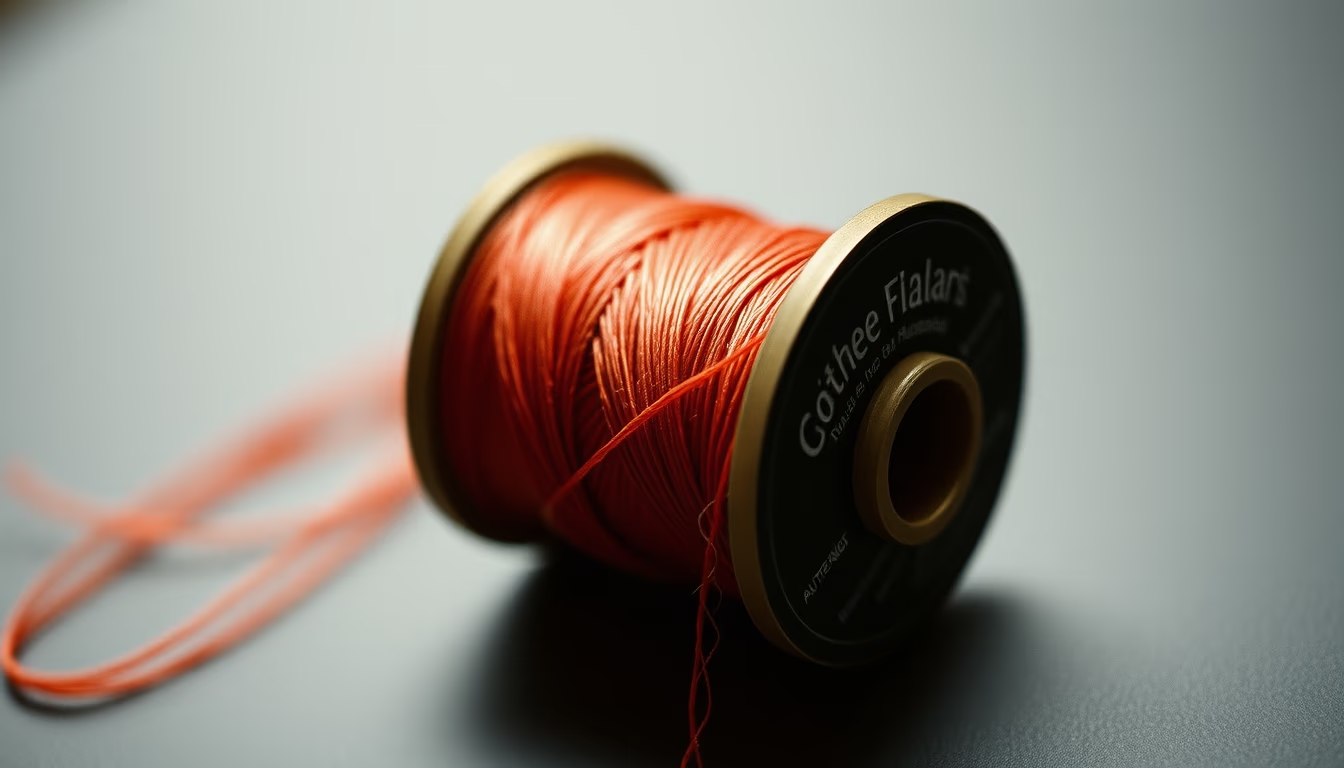
Silk thread spool, made from silkworm cocoons, is essential for luxury sewing, embroidery, and crafting.
About this subject
The silk thread spool is a classic item in sewing and embroidery. Silk is a natural protein fiber produced by the silkworm (Bombyx mori), which spins a continuous filament cocoon to protect itself during metamorphosis. To obtain the thread, cocoons are boiled in hot water to soften sericin, a natural gum that binds the fibers. The fibers are then unwound in a process called reeling, resulting in fine, strong threads. A single cocoon can yield between 300 and 900 meters of continuous filament.
The history of silk trade spans millennia, originating in China around 2700 BCE. The Silk Road connected East and West, transporting precious fabrics and threads. Today, silk is mainly produced in China, India, Uzbekistan, and Thailand. In Brazil, although not a major producer, silk is valued in regional embroidery like Matizes Dumont and in high-fashion garment making.
Silk threads are known for their softness, natural luster, and tensile strength. They are ideal for delicate embroidery, sewing fine fabrics such as silk and satin, and projects requiring exquisite finishing. Beyond sewing, silk is used in surgical sutures, dental floss, and musical instrument strings like violin strings. Spools can be plastic, wood, or metal, and storage should be in a dry, dark place to prevent silk from losing elasticity and sheen.
Interestingly, silk has hypoallergenic properties and regulates temperature, making it suitable for baby clothes and sensitive skin. Dyeing silk allows vibrant, long-lasting colors, making it a favorite among artisans and designers. When choosing a silk thread spool, consider the thickness (denier or number) and twist, which determine its ideal application.
Frequently Asked Questions
How is silk thread produced?
Silk thread is produced from silkworm (Bombyx mori) cocoons. The cocoons are boiled to soften the sericin, allowing the continuous filament to be unwound in a process called reeling. Several filaments are twisted together to form the thread.
What are the main uses of silk thread?
Silk thread is used in fine embroidery, sewing delicate fabrics (silk, satin), surgical sutures, dental floss, and musical instrument strings. It is also employed in high-fashion garments and luxury crafts.
How should silk thread spools be stored?
Spools should be stored in a dry, dark place away from direct sunlight to prevent silk from losing elasticity and luster. Avoid moisture, as silk can weaken.
Direct URL
https://pub-c7d6a6ea828543ac903a74a341ccb2e1.r2.dev/imagens/silk-thread-spool-film-grain-authentic-fresh5.avifHow to credit
Include a visible link back to UtilizAí. Copy one of the snippets below:
<a href="https://xn--utiliza-eza.com/en/midia/imagens/silk-thread-spool-film-grain-authentic-fresh5">Silk thread spool</a> by <a href="https://xn--utiliza-eza.com">UtilizAí</a>, licensed under <a href="https://creativecommons.org/licenses/by/4.0/">CC BY 4.0</a>.
[Silk thread spool](https://xn--utiliza-eza.com/en/midia/imagens/silk-thread-spool-film-grain-authentic-fresh5) by [UtilizAí](https://xn--utiliza-eza.com), CC BY 4.0
License: CC-BY-4.0