Shipwreck underwater old
1344×768 · AVIF · CC BY 4.0
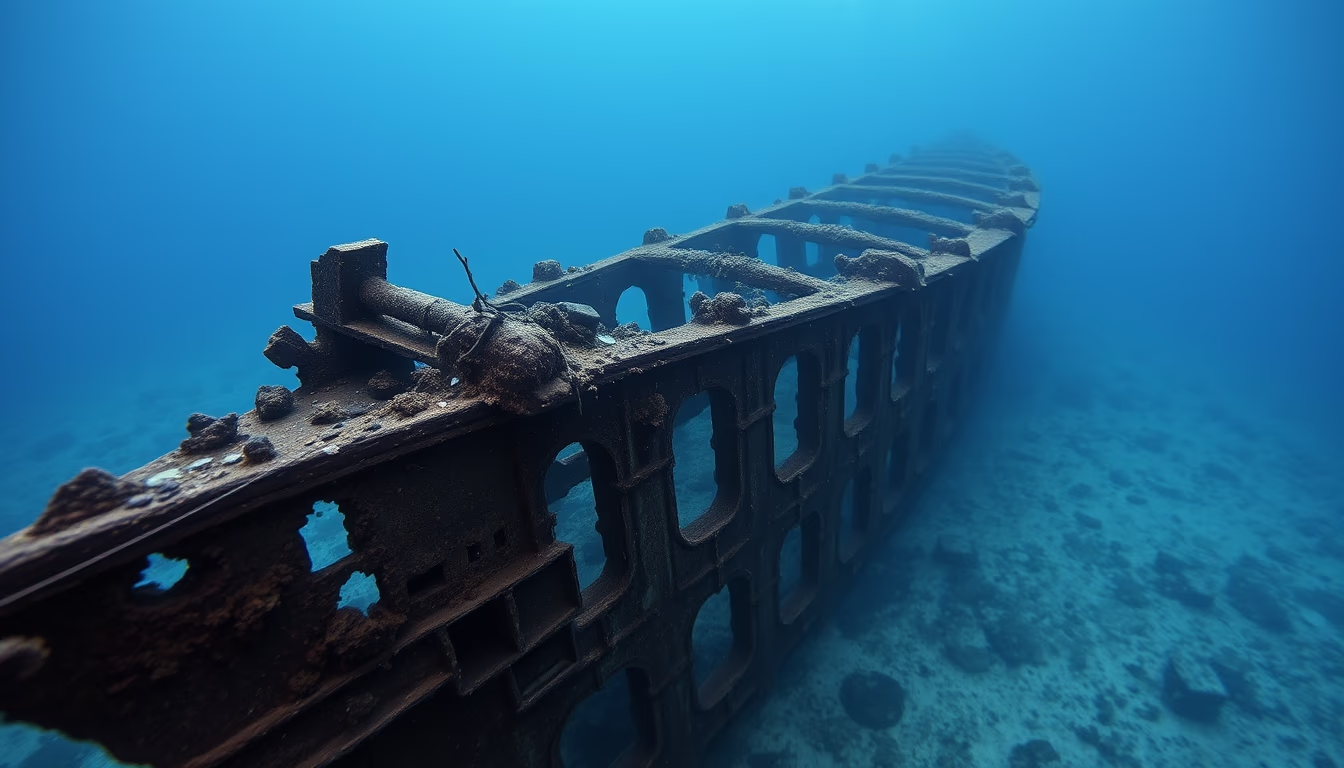
Underwater shipwrecks are historical testimonies and artificial ecosystems, attracting divers and researchers from the ocean depths.
About this subject
Underwater shipwrecks, such as the RMS Titanic in the North Atlantic or the SS Thistlegorm in the Red Sea, are time capsules preserving historical and cultural moments. From warships sunk in conflicts to merchant vessels lost in storms, each wreck carries a unique story about maritime routes, naval technology, and interrupted human lives. It is estimated that over 3 million shipwrecks lie scattered across the world's oceans, many still unexplored. Depth, water temperature, and salinity directly affect the state of preservation of the debris. In cold, low-oxygen waters like the Baltic, wood and metal can remain intact for centuries. In tropical, nutrient-rich waters, decomposition is accelerated by microorganisms and currents. Beyond historical value, these sites transform into artificial reefs, hosting corals, sponges, fish, and crustaceans. Biodiversity colonies develop on the structures, creating unique habitats that attract recreational divers and scientists. Underwater photography of shipwrecks requires specialized equipment, such as cameras with underwater housings and powerful lighting, as well as training in technical diving to safely reach greater depths. Artificial lighting is crucial to reveal hidden details in the dimness, highlighting textures of rust, algae, and the interaction of light with water. Images of wrecks often evoke a sense of mystery and nostalgia, documenting both natural decay and the resilience of marine life. Preservation initiatives, such as the UNESCO project for the protection of underwater heritage, seek to balance tourist exploration with scientific conservation. For divers to photograph wrecks respectfully, it is essential not to touch the fragile structures and not to remove artifacts, ensuring that these relics remain for future generations.
Frequently Asked Questions
Why are underwater shipwrecks ecologically important?
They become artificial reefs, providing hard substrate for corals, sponges, and algae to attach, as well as shelter for fish and invertebrates, boosting local biodiversity.
What is the average depth of the most famous shipwrecks?
It varies greatly: the Titanic lies at about 3,800 meters, while the Thistlegorm is at 30 meters. Most wrecks accessible for recreational diving are between 18 and 40 meters.
Is it allowed to take objects from shipwrecks?
No, in most countries it is illegal to remove historical artifacts or damage the site. Shipwrecks are considered protected underwater cultural heritage under national and international laws.
Direct URL
https://pub-c7d6a6ea828543ac903a74a341ccb2e1.r2.dev/imagens/shipwreck-underwater-old-studio-editorial-portrait-p0.avifHow to credit
Include a visible link back to UtilizAí. Copy one of the snippets below:
<a href="https://xn--utiliza-eza.com/en/midia/imagens/shipwreck-underwater-old-studio-editorial-portrait-p0">Shipwreck underwater old</a> by <a href="https://xn--utiliza-eza.com">UtilizAí</a>, licensed under <a href="https://creativecommons.org/licenses/by/4.0/">CC BY 4.0</a>.
[Shipwreck underwater old](https://xn--utiliza-eza.com/en/midia/imagens/shipwreck-underwater-old-studio-editorial-portrait-p0) by [UtilizAí](https://xn--utiliza-eza.com), CC BY 4.0
License: CC-BY-4.0