Sewing machine vintage
1344×768 · AVIF · CC BY 4.0
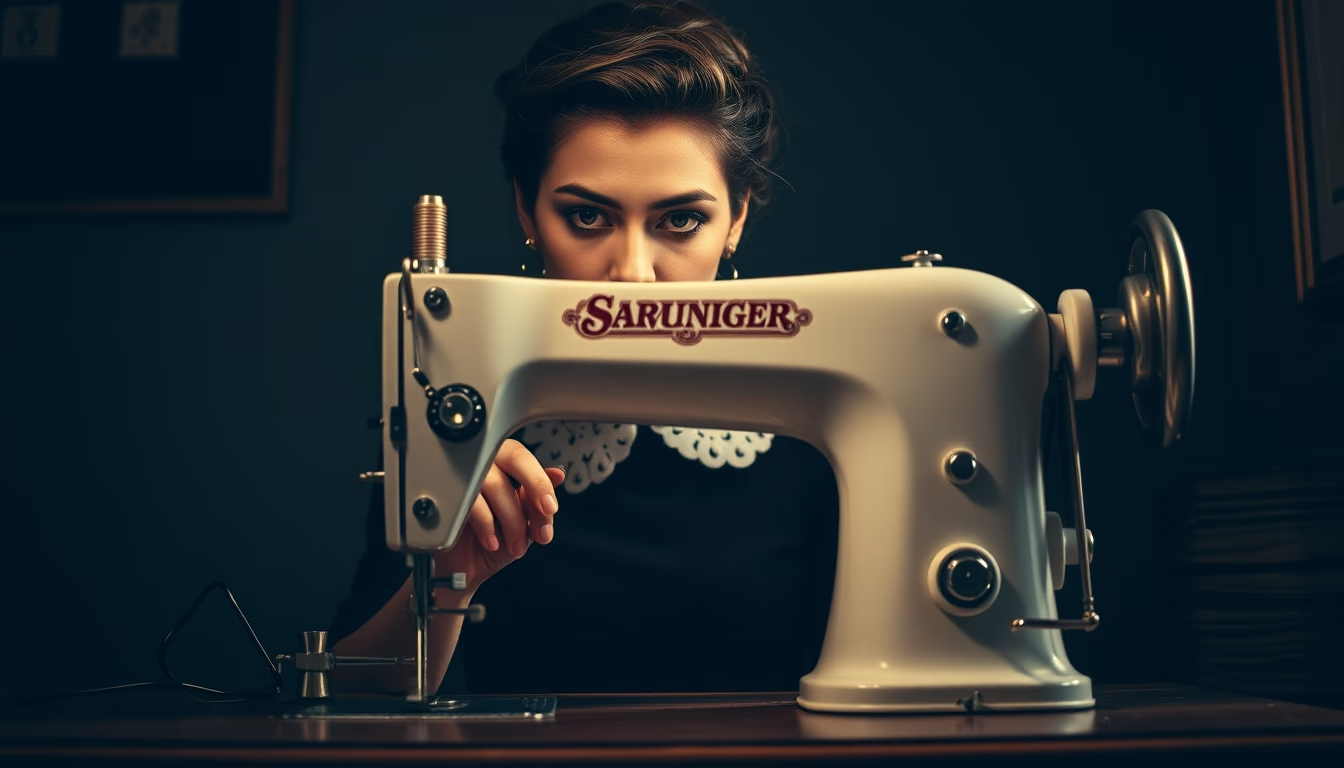
Vintage sewing machines are mechanical wonders of the textile era, with models like the Singer 15K becoming household staples.
About this subject
Vintage sewing machines represent a milestone in the history of the textile and clothing industry. The development of these devices began in the 19th century, with inventors like Elias Howe and Isaac Singer perfecting mechanisms that automated the sewing process. The Singer 15K model, launched in 1885, became one of the most popular worldwide due to its robustness and simplicity of operation. This machine was mass-produced and sold to families and small businesses, democratizing garment making.
The evolution of sewing machines mirrored the technological transformations of the era. Initially powered by hand crank, later by treadle, and finally by electric motors, each stage reflected advances in engineering and energy availability. Vintage models often feature cast-iron bodies with gold ornaments or floral decals, making them prized today by both collectors and retro design enthusiasts.
Beyond their aesthetic value, these machines are functional and can be restored for everyday use. Many still sew thick fabrics like denim and leather with ease, surpassing modern plastic models in durability. Basic maintenance includes lubrication and gear cleaning, and original or compatible parts are available at specialized markets and online.
The resurgence of interest in manual techniques and sustainable fashion has boosted demand for vintage machines. They are often used in clothing customization workshops and by seamstresses who appreciate mechanical precision. Textile museums, such as the Museu da Costura in São Paulo, preserve rare specimens that tell the history of the industry in Brazil.
Frequently Asked Questions
What is the difference between a vintage and a modern sewing machine?
Vintage machines are made of metal and cast iron, with durable mechanical mechanisms. Modern ones use plastic and electronics, being lighter and quieter, but less capable with heavy fabrics.
How can I identify the model of an old Singer sewing machine?
Look for the model number on the identification plate, usually on the base or arm. Common models include the 15K (popular), 66K, and 99K. The serial number can be checked online.
Can vintage sewing machines still be used today?
Yes, many work perfectly after maintenance. They require lubrication and cleaning, and sometimes belt replacement. Standard needles and bobbins are still compatible with most models.
Direct URL
https://pub-c7d6a6ea828543ac903a74a341ccb2e1.r2.dev/imagens/sewing-machine-vintage-high-fashion-editorial-p3.avifHow to credit
Include a visible link back to UtilizAí. Copy one of the snippets below:
<a href="https://xn--utiliza-eza.com/en/midia/imagens/sewing-machine-vintage-high-fashion-editorial-p3">Sewing machine vintage</a> by <a href="https://xn--utiliza-eza.com">UtilizAí</a>, licensed under <a href="https://creativecommons.org/licenses/by/4.0/">CC BY 4.0</a>.
[Sewing machine vintage](https://xn--utiliza-eza.com/en/midia/imagens/sewing-machine-vintage-high-fashion-editorial-p3) by [UtilizAí](https://xn--utiliza-eza.com), CC BY 4.0
License: CC-BY-4.0