Sevres limoges hand painted
1344×768 · AVIF · CC BY 4.0
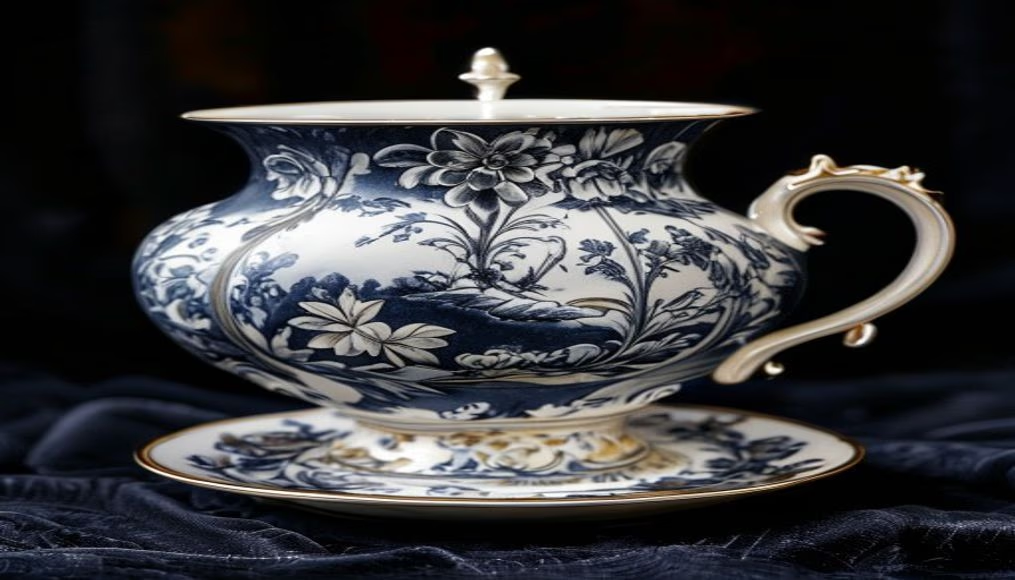
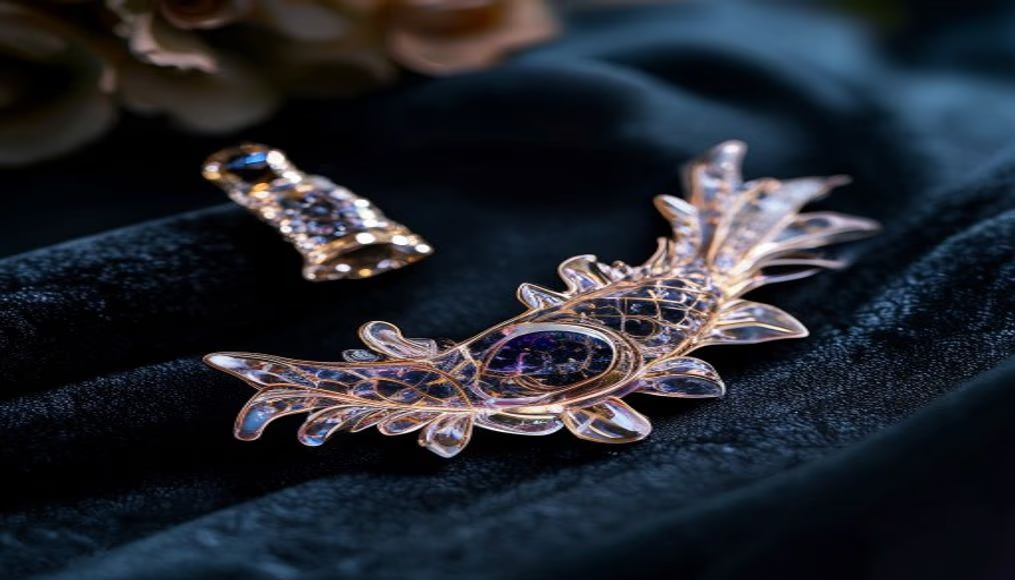
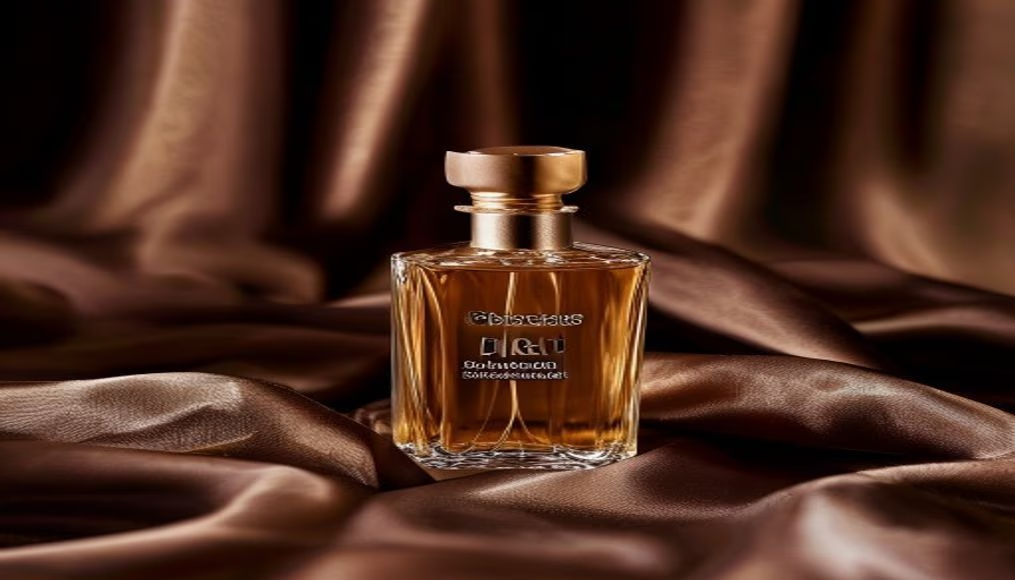
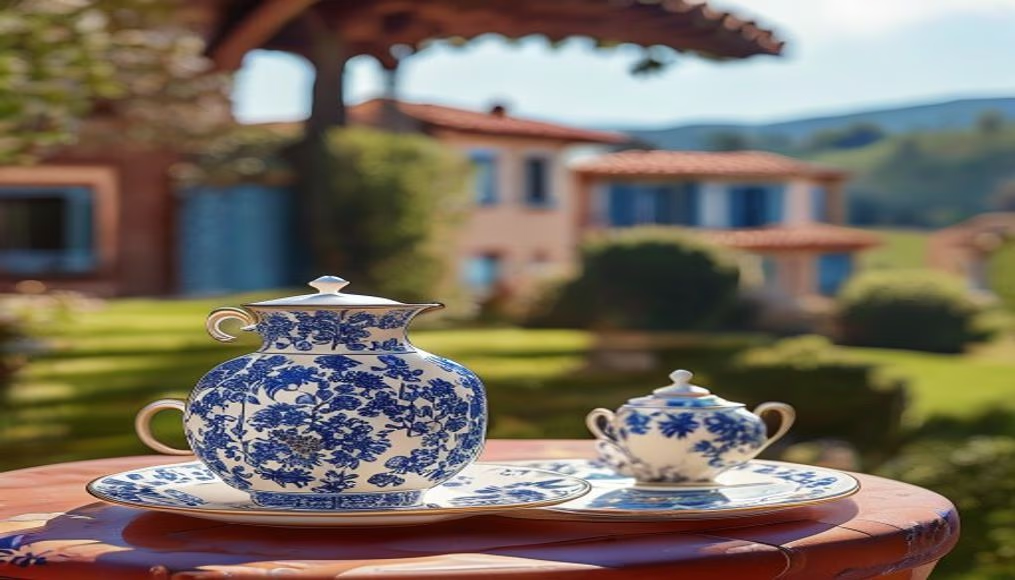
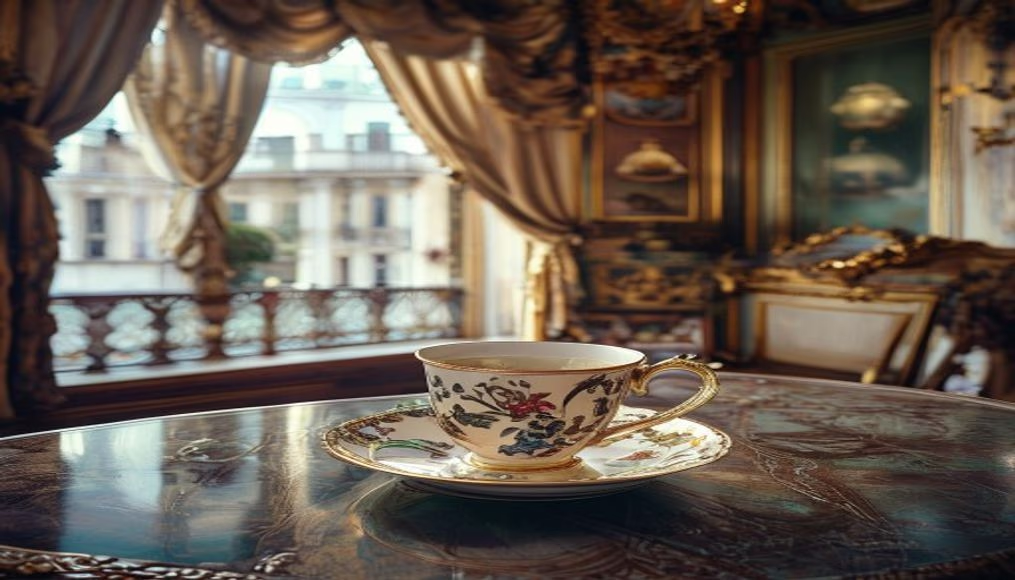
Hand-painted Sèvres and Limoges porcelains represent the pinnacle of French ceramic artistry, symbols of luxury and tradition since the 18th century.
About this subject
Sèvres porcelain originates from the Manufacture nationale de Sèvres, founded in 1740 in Vincennes and moved to Sèvres in 1756. Under royal patronage, especially from Madame de Pompadour, the factory became Europe's leading producer of soft-paste porcelain. Pieces were decorated with vitreous enamels and gold, often featuring mythological or floral scenes hand-painted by renowned artists. Each piece required multiple firings and could take months to complete.
Limoges porcelain rose to prominence after the discovery of kaolin in Saint-Yrieix-la-Perche in 1768, enabling the production of hard-paste porcelain, which is more durable and whiter. The city became an industrial hub with many manufactories, such as Haviland & Co. (founded in 1842), exporting to the United States and Europe. Hand-painting on the porcelain biscuit used metallic oxide colors fired at high temperatures, ensuring durability and vibrancy.
Both traditions share meticulous craftsmanship: decorators underwent years of training to master techniques like enameling, gilding, and reserving. Antique pieces are highly collectible, fetching hundreds to thousands of dollars at auction. Authenticity is verified by backstamps: Sèvres features intertwined double Ls (royal monogram) and date codes; Limoges uses marks such as "Peint Main" or "Limoges France."
Frequently Asked Questions
What is the difference between Sèvres and Limoges?
Sèvres is a royal manufactory producing soft-paste porcelain, famous for its enamels and gilding. Limoges is a region where hard-paste porcelain was made, more durable and whiter. Both are French hand-painted, but differ in paste composition and decorative styles.
Why are hand-painted Sèvres and Limoges porcelains so expensive?
The high cost reflects intensive handcraft: skilled artists spend hours on minute details, and each piece undergoes multiple firings. The use of gold and rare pigments, combined with historical prestige and royal association, drives up value.
How to identify an authentic Sèvres or Limoges piece?
Look for backstamps: Sèvres has intertwined double Ls with a royal symbol and date (e.g., crown for 1753). Limoges typically bears the manufactory name (e.g., "Haviland") and the inscription "Peint Main" or "Limoges France." Antique pieces may require expert verification.
Direct URL
https://pub-c7d6a6ea828543ac903a74a341ccb2e1.r2.dev/imagens/sevres-limoges-hand-painted-black-velvet-background-dramatic-luxo0.avifHow to credit
Include a visible link back to UtilizAí. Copy one of the snippets below:
<a href="https://xn--utiliza-eza.com/en/midia/imagens/sevres-limoges-hand-painted-black-velvet-background-dramatic-luxo0">Sevres limoges hand painted</a> by <a href="https://xn--utiliza-eza.com">UtilizAí</a>, licensed under <a href="https://creativecommons.org/licenses/by/4.0/">CC BY 4.0</a>.
[Sevres limoges hand painted](https://xn--utiliza-eza.com/en/midia/imagens/sevres-limoges-hand-painted-black-velvet-background-dramatic-luxo0) by [UtilizAí](https://xn--utiliza-eza.com), CC BY 4.0
License: CC-BY-4.0