Sashimi presentation
1344×768 · AVIF · CC BY 4.0
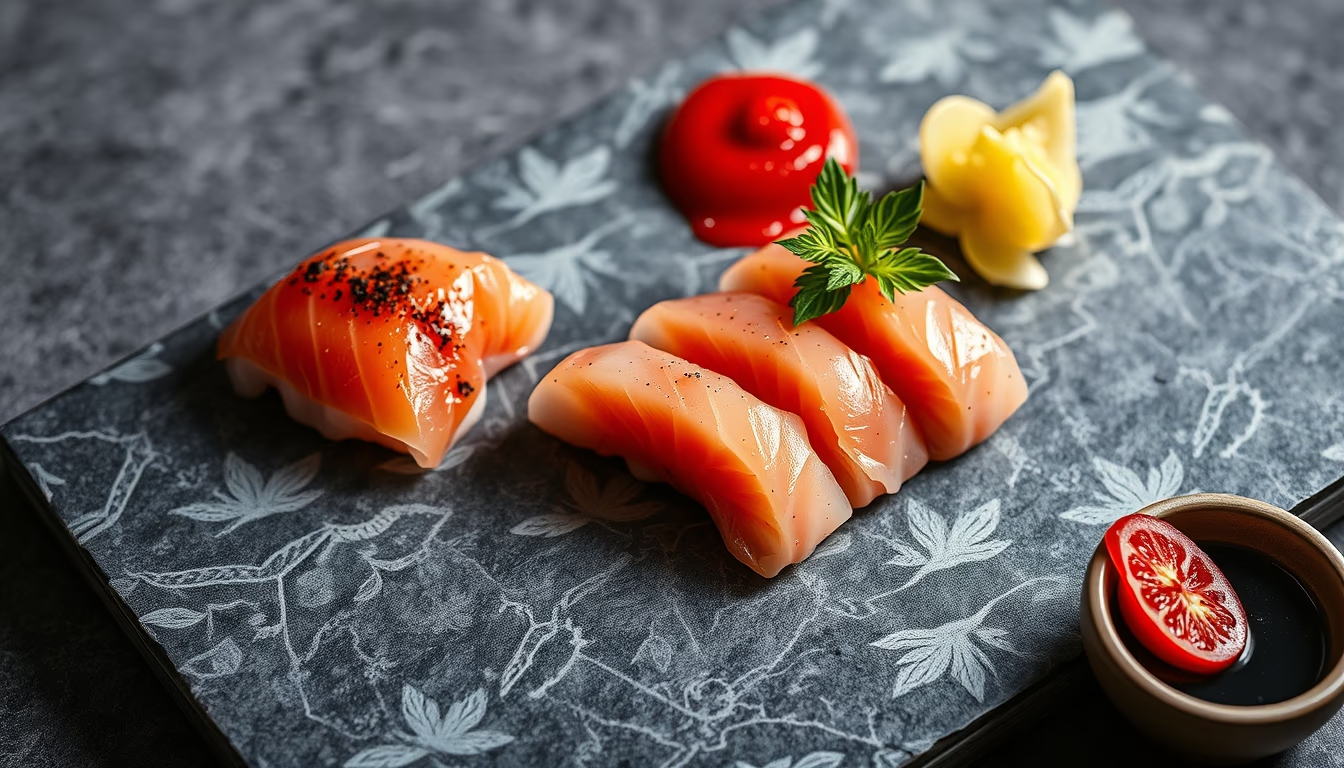
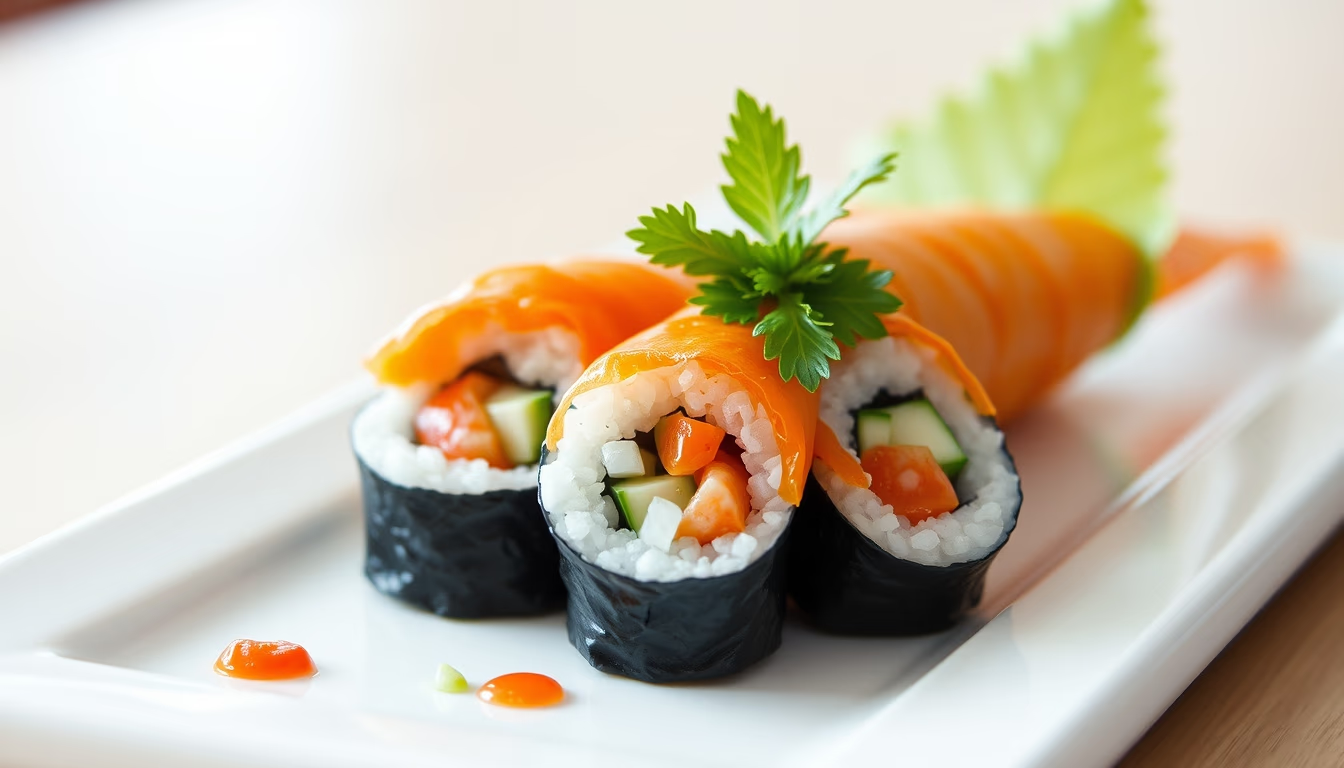
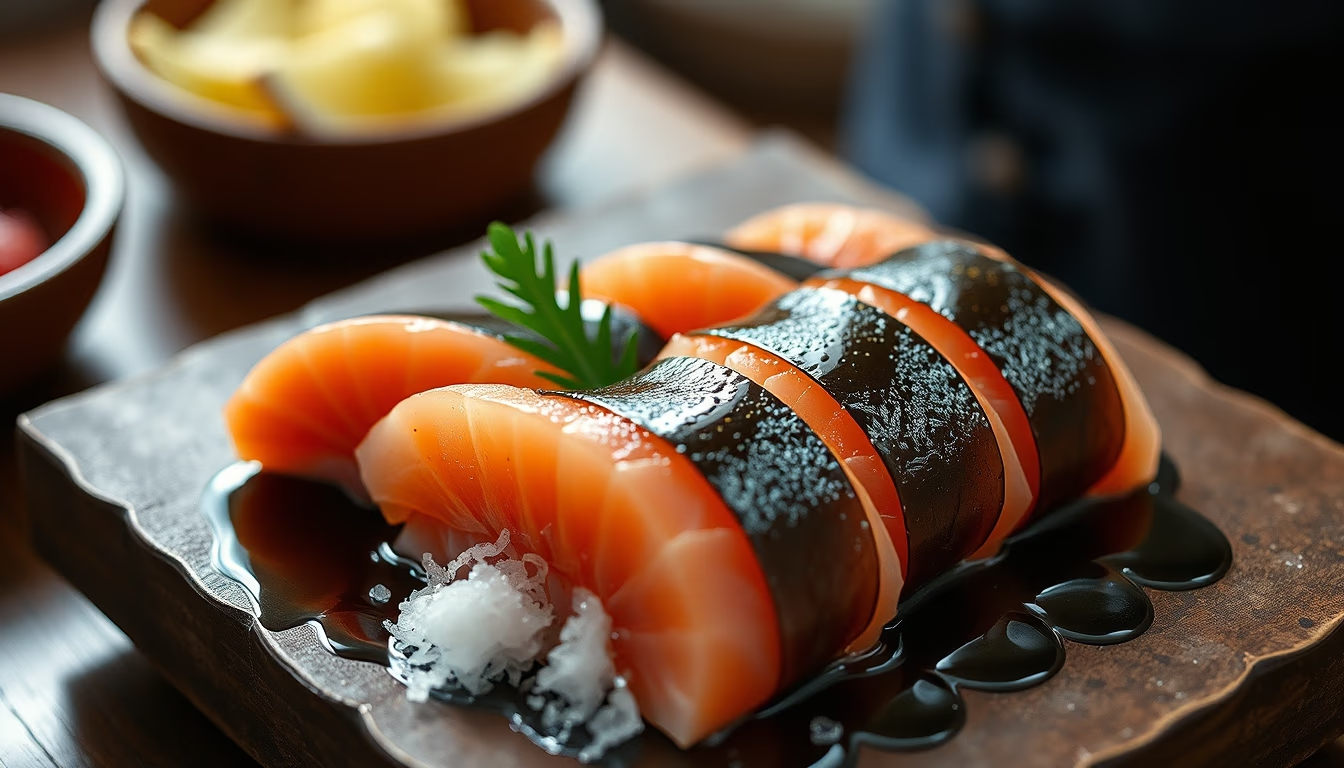
Sashimi is a Japanese delicacy of raw fish sliced into thin pieces, served with simple sauces like soy sauce and wasabi, highlighting the freshness and quality of the seafood.
About this subject
Sashimi is a fundamental dish in Japanese cuisine, consisting of raw fish or seafood sliced into thin pieces and served without rice, unlike sushi. The quality of sashimi depends entirely on the freshness of the seafood, which must be from a reliable source and often kept alive until preparation. The cutting is an art performed by trained chefs (itamae), who use specific knives like yanagiba to achieve uniform, smooth slices.
There are several cutting styles: hira-zukuri (rectangular), usu-zukuri (extremely thin, almost transparent), and kaku-zukuri (cubed). Common fish include salmon, tuna (maguro), sea bass (suzuki), and sweet shrimp (amaebi). Presentation is minimalist: slices are arranged on a simple plate, often accompanied by grated daikon, shiso leaves, pickled ginger, and wasabi. Soy sauce is served on the side to avoid masking the natural flavor.
Historically, sashimi dates back to the Edo period (1603-1868), when ice preservation techniques allowed safe consumption of raw fish. The term 'sashimi' comes from 'sashi' (pierce) and 'mi' (flesh), referring to the custom of identifying the fish by its fin or tail on the plate. Today, sashimi is enjoyed globally as a symbol of sophistication and respect for the ingredient.
Traditional pairings include chilled sake or green tea. Interestingly, in Japan, the eating order follows a progression from lighter to richer flavors, starting with white fish and ending with fatty tuna (toro). Sashimi is not just a meal but a sensory experience that values texture, freshness, and simplicity.
Frequently Asked Questions
What is the difference between sashimi and sushi?
Sashimi is just sliced raw fish, served without rice. Sushi is a preparation that combines raw fish or other ingredients with vinegared rice.
How can you tell if sashimi is fresh?
The flesh should have vibrant color, firm texture, and a mild sea scent. Avoid fish that is dull, slimy, or has a strong odor. It's best to eat at reputable restaurants with high turnover.
What are the types of sashimi cuts?
The main ones are hira-zukuri (rectangular slices), usu-zukuri (very thin, almost transparent), and kaku-zukuri (cubes). Each cut enhances the texture and flavor of the fish.
Direct URL
https://pub-c7d6a6ea828543ac903a74a341ccb2e1.r2.dev/imagens/sashimi-presentation-magazine-editorial-fresh12.avifHow to credit
Include a visible link back to UtilizAí. Copy one of the snippets below:
<a href="https://xn--utiliza-eza.com/en/midia/imagens/sashimi-presentation-magazine-editorial-fresh12">Sashimi presentation</a> by <a href="https://xn--utiliza-eza.com">UtilizAí</a>, licensed under <a href="https://creativecommons.org/licenses/by/4.0/">CC BY 4.0</a>.
[Sashimi presentation](https://xn--utiliza-eza.com/en/midia/imagens/sashimi-presentation-magazine-editorial-fresh12) by [UtilizAí](https://xn--utiliza-eza.com), CC BY 4.0
License: CC-BY-4.0