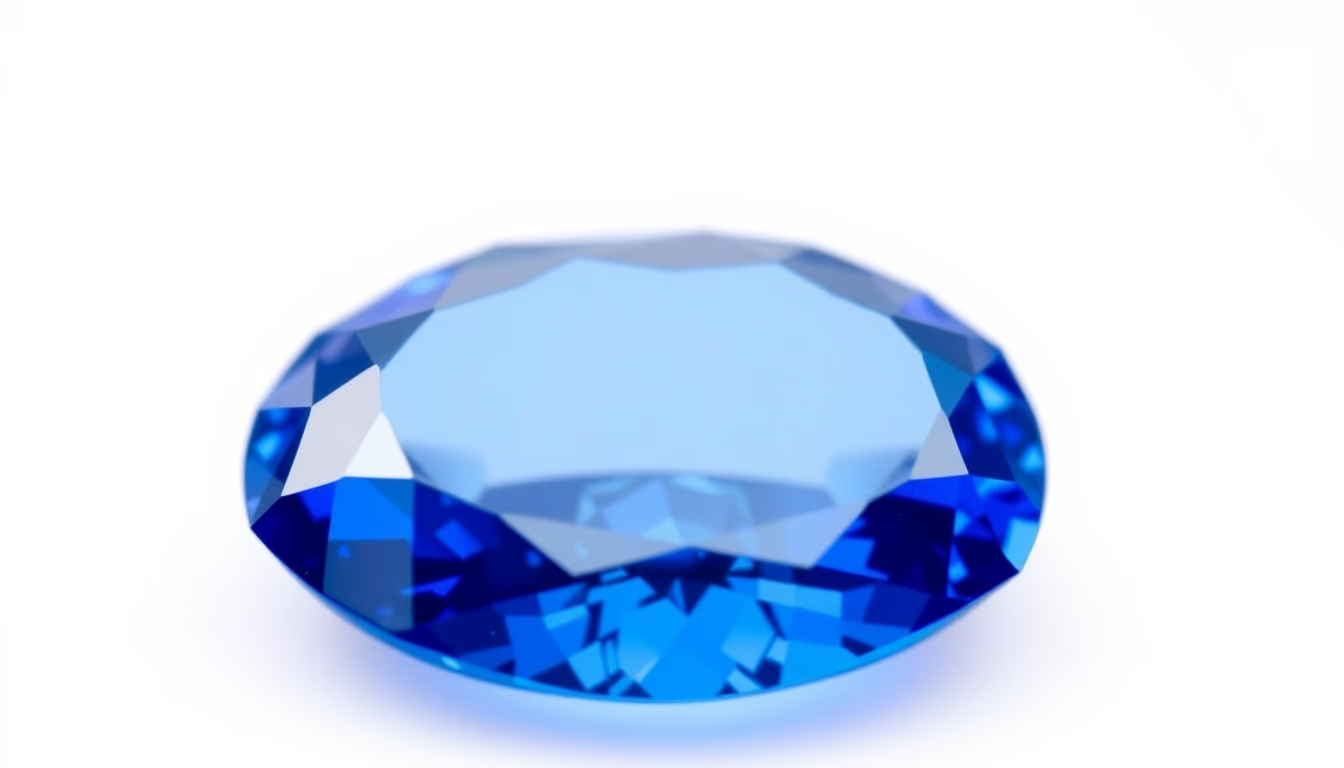
Sapphire blue gemstone
1344×768 · AVIF · CC BY 4.0
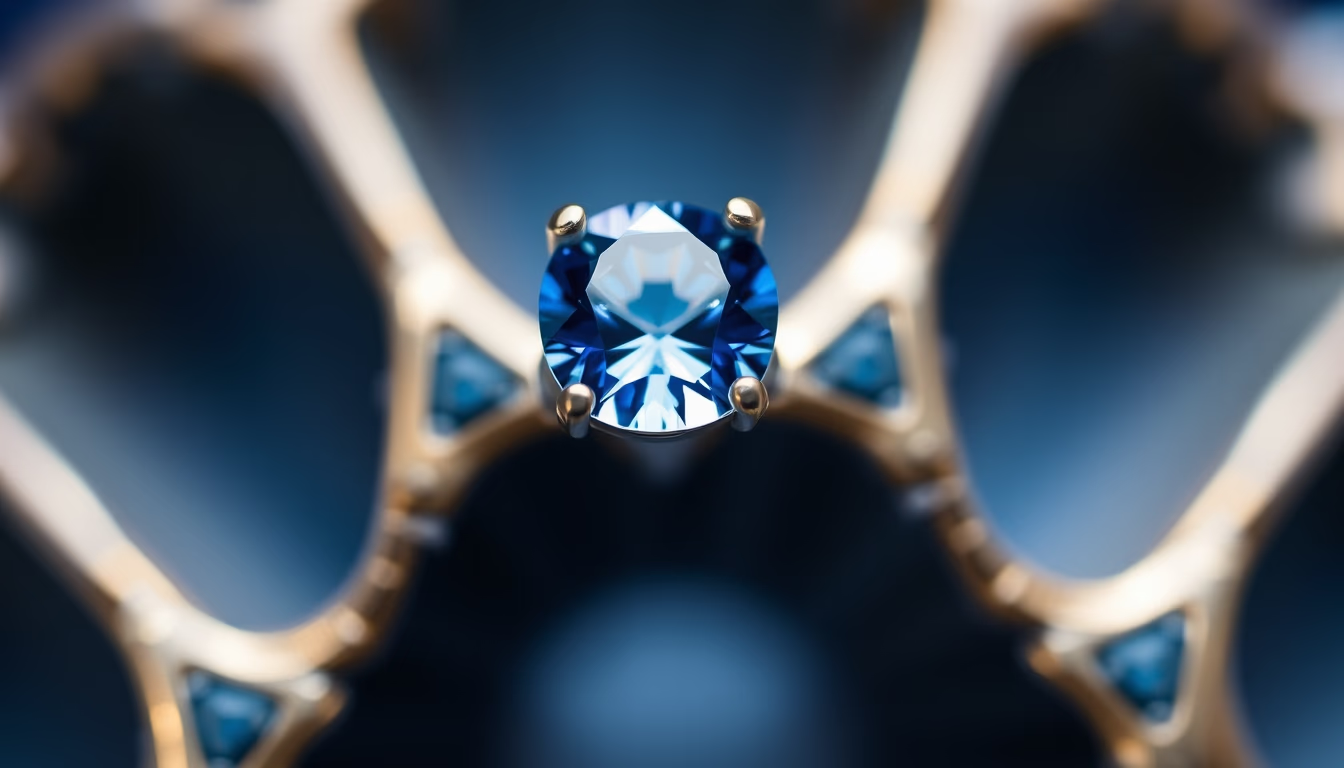
Blue sapphire is one of the most valuable gemstones, known for its hardness and intense color, mainly mined in Asia and Africa.
About this subject
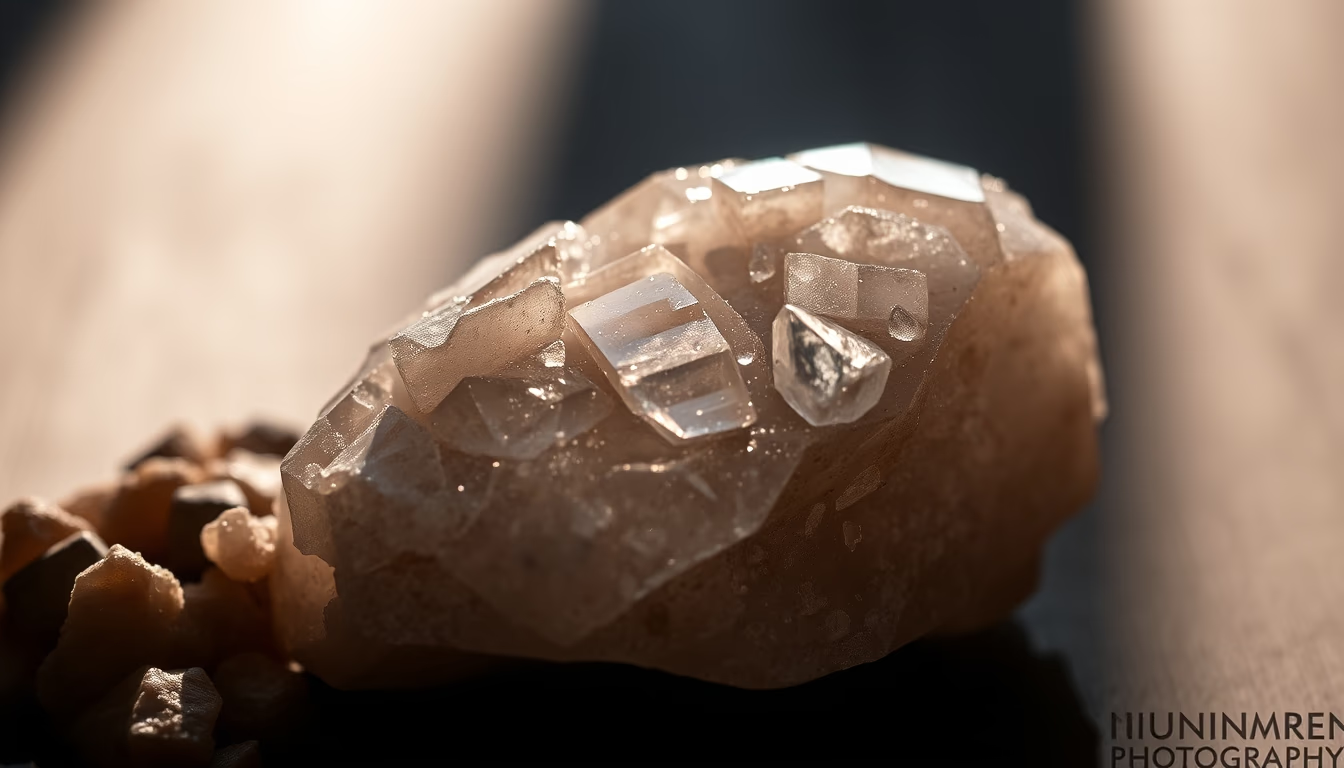
Blue sapphire is a variety of the mineral corundum (aluminum oxide, Al2O3), which is naturally colorless but acquires blue hues due to trace amounts of iron and titanium in its crystal structure. This gemstone has a hardness of 9 on the Mohs scale, second only to diamond, making it highly resistant to scratches and suitable for everyday wear in jewelry.
The main sources of gem-quality blue sapphire include Sri Lanka (formerly Ceylon), Madagascar, Myanmar (Burma), Thailand, Australia, and the United States (Montana). Sri Lanka's deposits are famous for producing sapphires ranging from light sky blue to deep royal blue, often with silky inclusions that create the star effect (asterism) when cut as cabochons.
Historically, blue sapphires have adorned crowns and jewelry of European and Asian royalty. The engagement ring of Princess Diana, now worn by Princess Catherine, features a 12-carat Sri Lankan blue sapphire surrounded by diamonds. Another famous specimen is the "Star of India," a 563-carat star sapphire on display at the American Museum of Natural History in New York.
Most sapphires on the market today undergo heat treatment to enhance color and clarity. Heating at high temperatures (around 1700°C) is an accepted trade practice, provided it is disclosed. Untreated natural sapphires with exceptional color are extremely rare and command high prices at auctions.
Frequently Asked Questions
What determines the blue color of sapphire?
The blue color is caused by the combined presence of iron and titanium in the corundum crystal structure. The interaction of these elements with light results in selective absorption of wavelengths, producing the characteristic blue hue.
Where are the best blue sapphires found?
Deposits in Sri Lanka (Ceylon) and Myanmar (Burma) are traditionally considered the most important for high-quality sapphires. Today, Madagascar also produces exceptional sapphires, while smaller sources include Australia and Thailand.
How to distinguish a natural sapphire from a synthetic one?
Synthetic sapphires often show curved (rather than straight) inclusions and very uniform color. A gemologist uses a microscope and spectroscopy to identify natural inclusions and treatments. Certificates from labs like GIA are essential for assurance.
Direct URL
https://pub-c7d6a6ea828543ac903a74a341ccb2e1.r2.dev/imagens/sapphire-blue-gemstone-tilt-shift-miniature-p2.avifHow to credit
Include a visible link back to UtilizAí. Copy one of the snippets below:
<a href="https://xn--utiliza-eza.com/en/midia/imagens/sapphire-blue-gemstone-tilt-shift-miniature-p2">Sapphire blue gemstone</a> by <a href="https://xn--utiliza-eza.com">UtilizAí</a>, licensed under <a href="https://creativecommons.org/licenses/by/4.0/">CC BY 4.0</a>.
[Sapphire blue gemstone](https://xn--utiliza-eza.com/en/midia/imagens/sapphire-blue-gemstone-tilt-shift-miniature-p2) by [UtilizAí](https://xn--utiliza-eza.com), CC BY 4.0
License: CC-BY-4.0