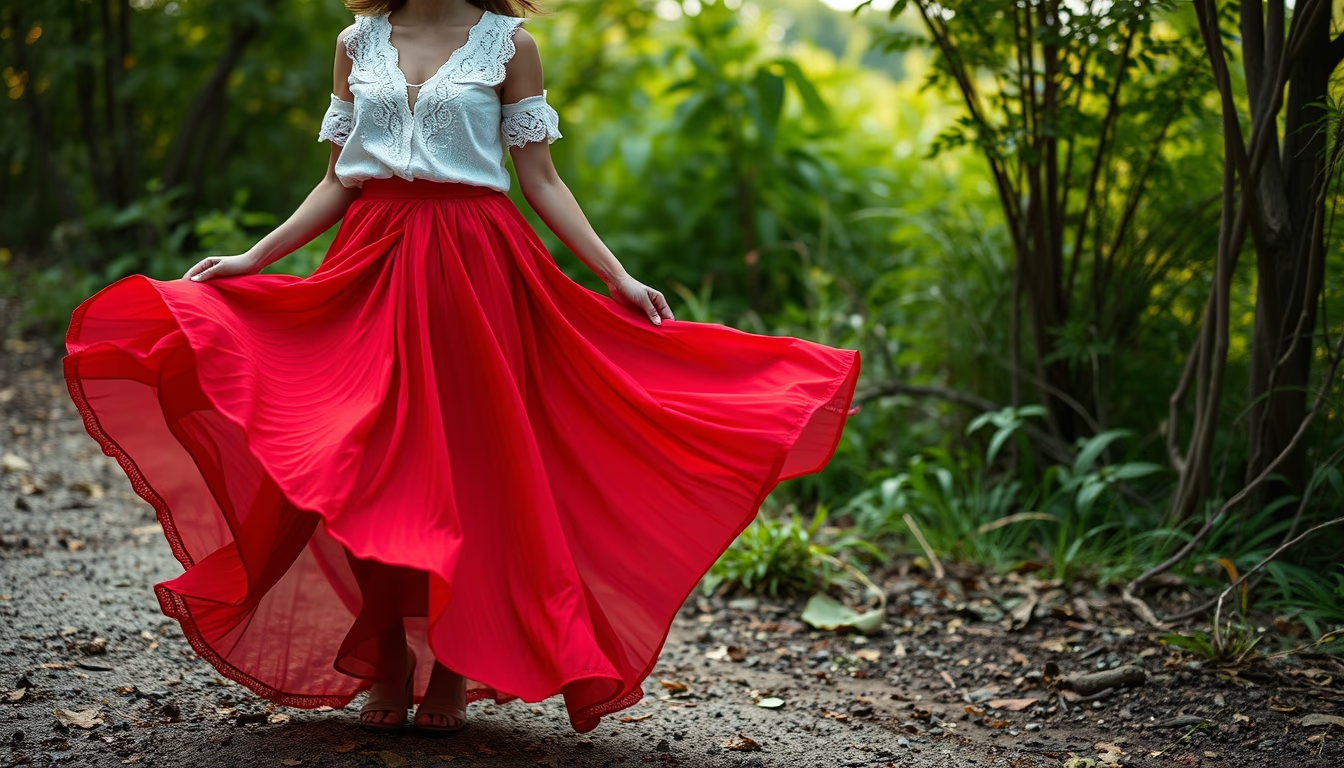
Salsa skirt red flowing
1344×768 · AVIF · CC BY 4.0
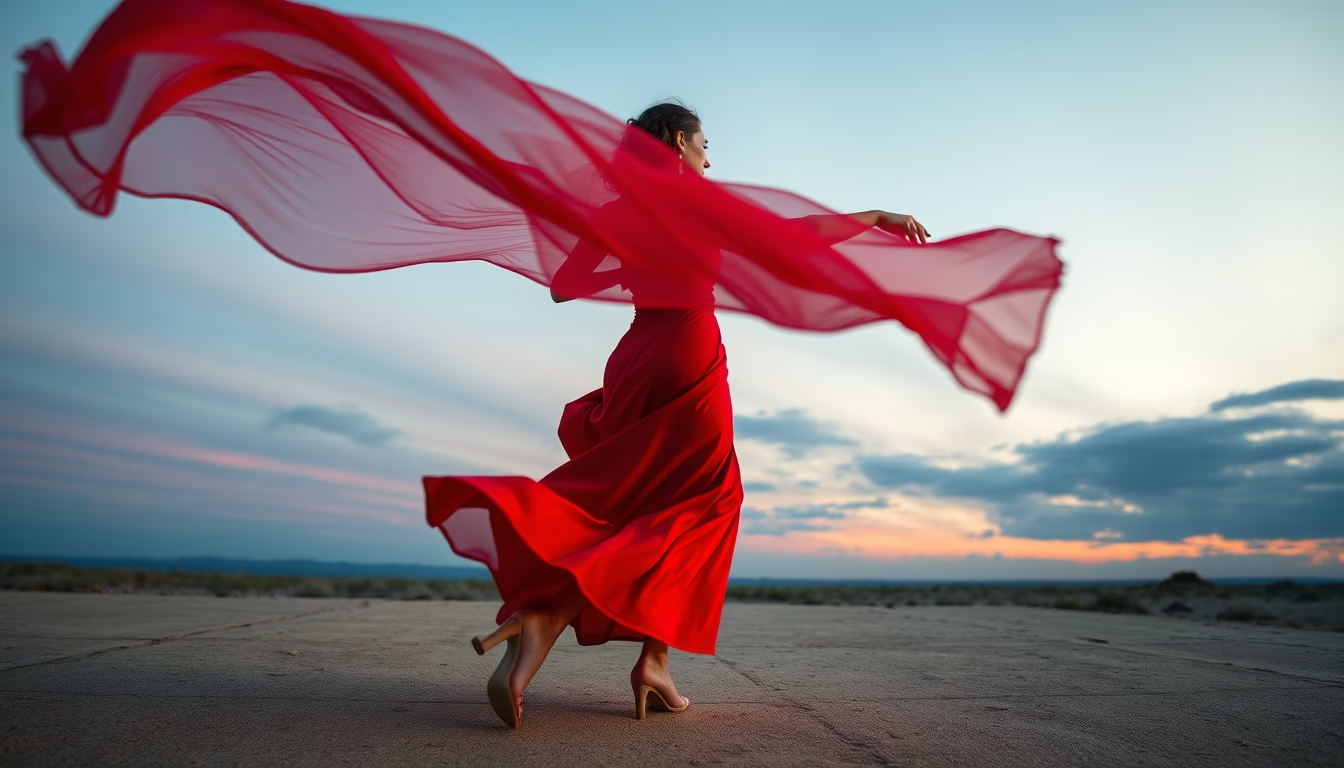
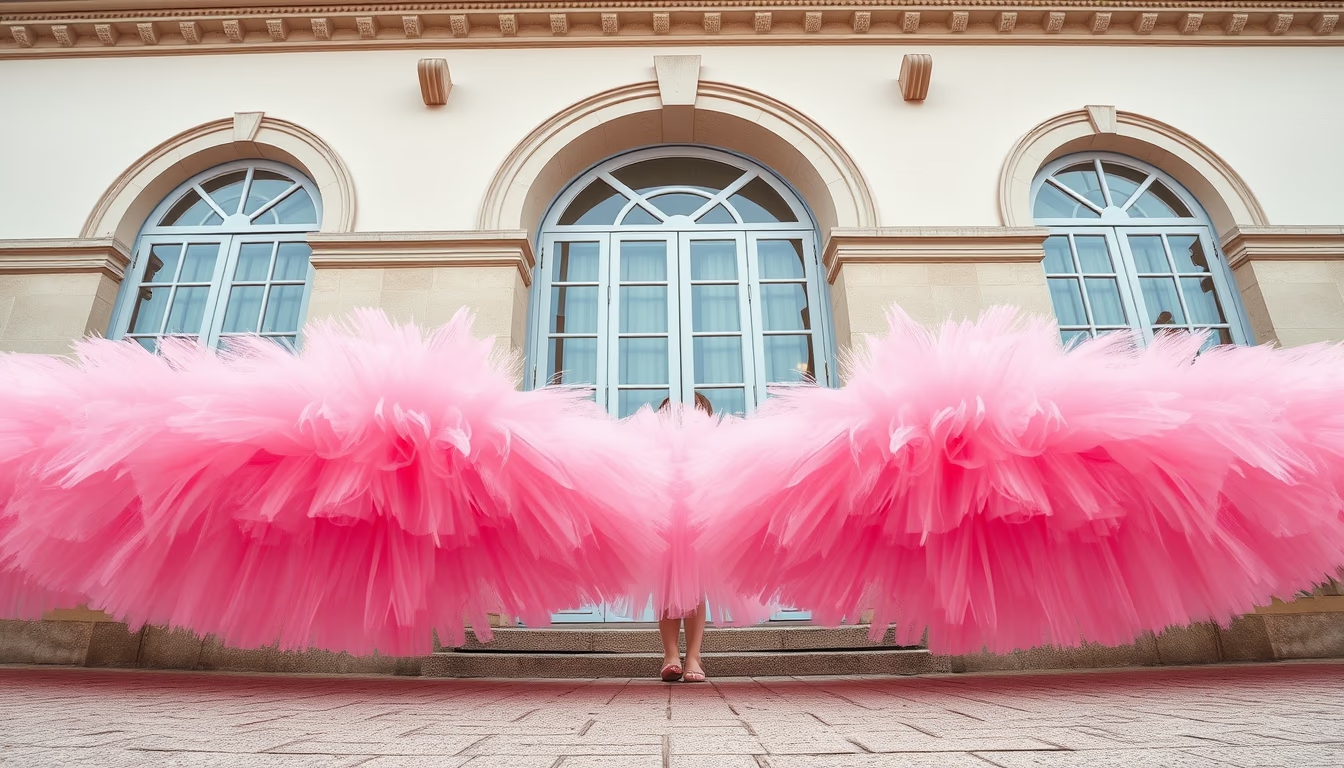
Red salsa skirt flowing in motion: long exposure captures the energy of Latin dance in a swirl of fabric.
About this subject
The salsa skirt is an iconic piece of Latin dance attire, especially in salsa style. Made of lightweight fabrics such as chiffon or polyester, it allows wide spinning movements that create striking visual effects. The color red is traditionally associated with the passion and intense rhythm of salsa, a dance that emerged in Cuba in the early 20th century from the fusion of African and Caribbean rhythms with son cubano.
Long exposure technique applied to this photograph enhances the flowing motion of the skirt. Long exposure is a photographic method where the shutter remains open for an extended time, capturing the trail of movement. Here, the result is a dynamic blur of red fabric that contrasts with the sharpness of the rest of the scene, conveying the speed and grace of the dancer's spin. This effect is common in dance photography to emphasize the energy of motion.
Salsa is danced worldwide, with variations such as Cuban salsa (casino), Puerto Rican, and Colombian. The use of flared skirts is more frequent in performances and competitions where dramatic visuals are valued. The red skirt also evokes typical flamenco attire, but in salsa the fabric is lighter and the movement more circular. Interestingly, the term "salsa" as a dance name was popularized in New York in the 1960s by Latino musicians blending rhythms.
The long exposure in this image also suggests the concept of "sabrosura" (flavor), an essential quality in salsa combining technique, musicality, and emotion. Dance photography with long exposure requires technical skill and sensitivity to freeze the dancer's expression while the fabric dissolves into abstract colors. This visual style is often used on covers of salsa events or promotional materials for dance schools.
Frequently Asked Questions
Why is the salsa skirt so flared?
The flared skirt allows spinning movements in salsa to be showcased spectacularly, creating a visual effect that enhances the energy and fluidity of the dance.
How is long exposure used in dance photography?
In long exposure, the camera captures continuous motion over a longer period, resulting in trails and blurs. In dance, this highlights spins and fabric flow, conveying dynamism.
What is the origin of salsa dancing?
Salsa originated in Cuba in the early 20th century, blending African and Caribbean rhythms with son cubano. It was later popularized in New York and adapted into various regional styles.
Direct URL
https://pub-c7d6a6ea828543ac903a74a341ccb2e1.r2.dev/imagens/salsa-skirt-red-flowing-long-exposure-fresh4.avifHow to credit
Include a visible link back to UtilizAí. Copy one of the snippets below:
<a href="https://xn--utiliza-eza.com/en/midia/imagens/salsa-skirt-red-flowing-long-exposure-fresh4">Salsa skirt red flowing</a> by <a href="https://xn--utiliza-eza.com">UtilizAí</a>, licensed under <a href="https://creativecommons.org/licenses/by/4.0/">CC BY 4.0</a>.
[Salsa skirt red flowing](https://xn--utiliza-eza.com/en/midia/imagens/salsa-skirt-red-flowing-long-exposure-fresh4) by [UtilizAí](https://xn--utiliza-eza.com), CC BY 4.0
License: CC-BY-4.0