Running shoes on track
1344×768 · AVIF · CC BY 4.0
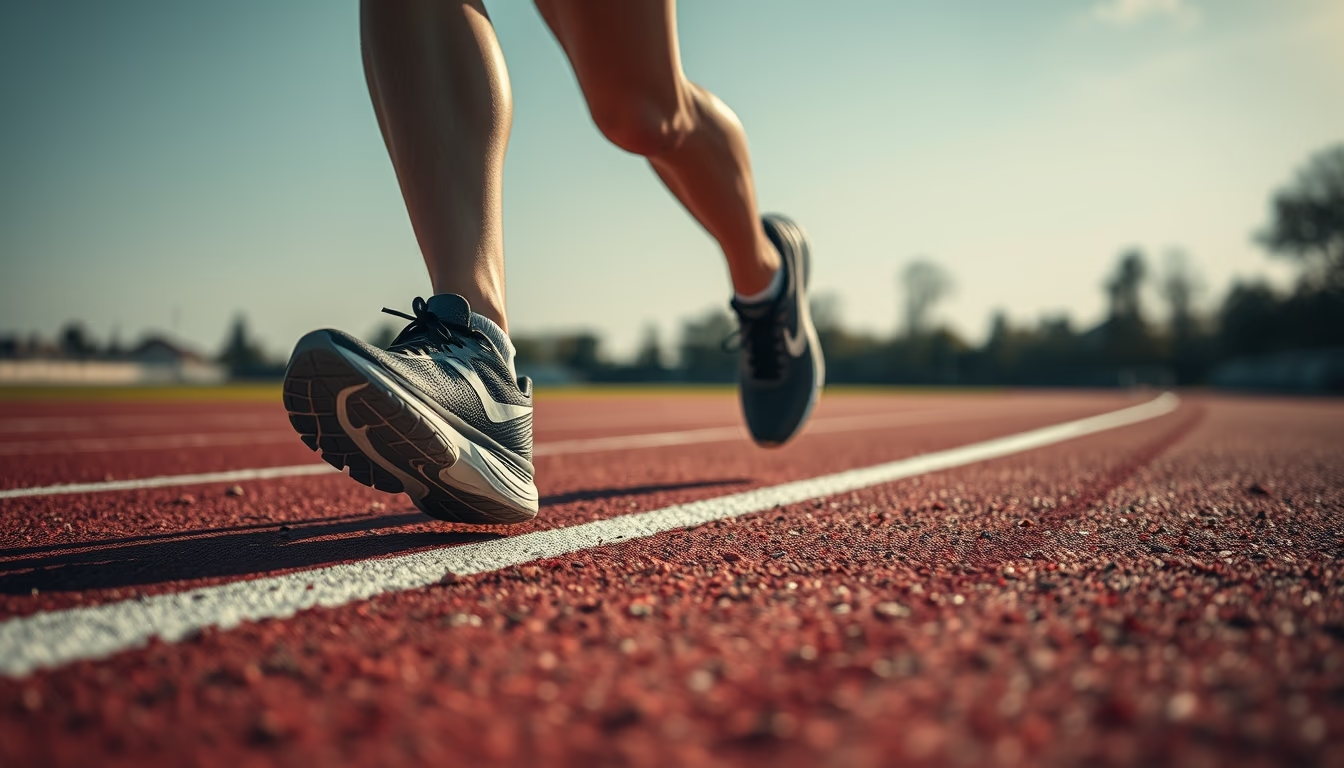
Running shoes on an athletic track: models, technology, and performance for amateur and professional runners.
About this subject
Running on an athletic track requires specific footwear that combines lightness, traction, and adequate cushioning. Unlike roads or trails, the synthetic surface of tracks, usually made of polyurethane or rubber, offers greater elasticity and grip, reducing joint impact. Therefore, track shoes often have thinner soles and spikes for sprinters, or flat, lightweight soles for distance events.
Running shoe technology has evolved significantly in recent decades. Materials such as EVA foam, Pebax, and carbon fiber plates are common in high-performance models like the Nike Vaporfly or Adidas Adizero. These components aim to maximize energy return and reduce muscle fatigue. Additionally, the upper design prioritizes breathability and a secure fit, preventing blisters and discomfort during long runs.
Choosing the ideal shoe depends on the type of running and the runner's gait. Neutral runners can opt for balanced cushioning, while overpronators or supinators require additional support. For sprint events like the 100 meters, spikes are essential for maximum traction. For endurance training, shoes with greater cushioning and reduced weight are more suitable. Brands like Asics, Brooks, and Saucony offer specific track lines with technologies such as gel or responsive foam.
In Brazil, track athletics is practiced in clubs, schools, and public parks. Knowledge of the correct footwear can prevent injuries such as plantar fasciitis and shin splints. Additionally, shoe maintenance is crucial, as the outsole rubber wears out with constant track friction. Replacing shoes every 500-800 km of use is recommended to maintain performance and safety.
Frequently Asked Questions
What is the best type of running shoe for track running?
It depends on the event. For speed, use spikes with pins. For distance events, lightweight shoes with responsive cushioning, such as the Nike Vaporfly or Adidas Adizero lines, are ideal.
How to choose the right shoe for your foot strike?
Get a gait analysis at a specialty store. Neutral gait suits standard cushioning; overpronation requires medial support; supination demands extra lateral cushioning.
Do running shoes influence performance?
Yes. Models with a carbon plate and high energy-return foam can improve running economy by up to 4%, according to studies. However, comfort and fit are crucial to prevent injuries.
Direct URL
https://pub-c7d6a6ea828543ac903a74a341ccb2e1.r2.dev/imagens/running-shoes-on-track-magazine-editorial-p5.avifHow to credit
Include a visible link back to UtilizAí. Copy one of the snippets below:
<a href="https://xn--utiliza-eza.com/en/midia/imagens/running-shoes-on-track-magazine-editorial-p5">Running shoes on track</a> by <a href="https://xn--utiliza-eza.com">UtilizAí</a>, licensed under <a href="https://creativecommons.org/licenses/by/4.0/">CC BY 4.0</a>.
[Running shoes on track](https://xn--utiliza-eza.com/en/midia/imagens/running-shoes-on-track-magazine-editorial-p5) by [UtilizAí](https://xn--utiliza-eza.com), CC BY 4.0
License: CC-BY-4.0