Route 66 motel neon
1344×768 · AVIF · CC BY 4.0
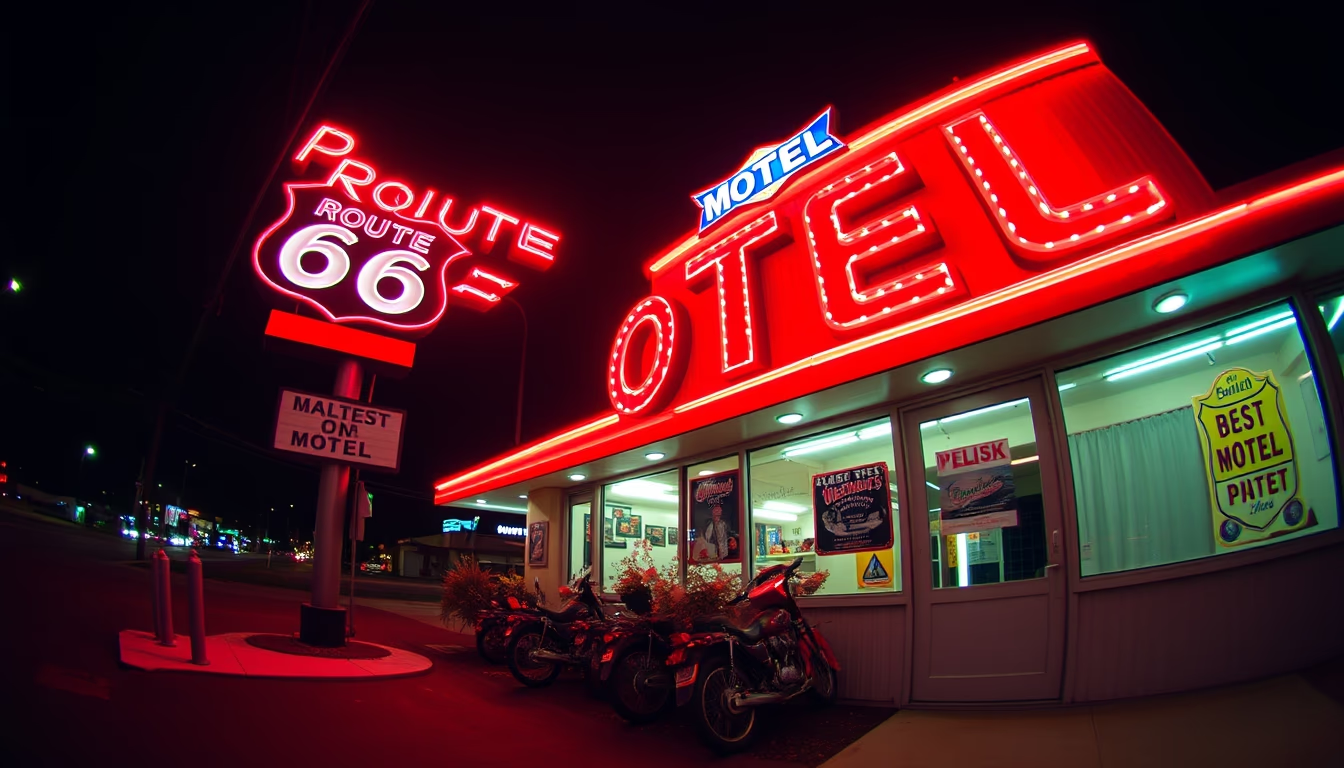
The glow of neon signs from Route 66 motels is an icon of American road culture, representing the heyday of car travel between the 1940s and 1960s.
About this subject
Route 66, known as the Mother Road, hosted one of the most striking phenomena of road tourism: motels with neon signs. These signs, often in extravagant shapes like wigwams or giant cowboys, served to attract travelers along long and desolate highways. Neon, with its vibrant colors, guaranteed nighttime visibility and symbolized hospitality.
The popularity of neon motels grew alongside Route 66, especially after World War II, when economic prosperity boosted leisure travel. Each motel tried to stand out with unique designs, such as the Blue Swallow Motel in New Mexico or the Wigwam Motel in Arizona. These establishments offered simple but comfortable accommodations, and the neon was the promise of rest after hours on the road.
With the construction of the interstate system starting in the 1950s, Route 66 declined, and many motels closed or had their signs turned off. However, the historical and cultural value of these neon signs was recognized, and preservation efforts emerged, such as the Route 66: The Road Ahead Initiative. Today, many original signs have been restored and relit, becoming tourist attractions in their own right.
The original route, though decommissioned, is traveled by enthusiasts seeking to relive the classic experience. Towns like Tucumcari, Gallup, and Springfield keep the tradition of neon signs alive, with festivals dedicated to illumination and road culture. Today, these signs are not just memories but active icons of American history, attracting photographers, historians, and travelers from around the world.
Frequently Asked Questions
Why are neon signs so associated with Route 66?
Neon signs were essential to attract travelers on a long and often desolate highway, especially at night. They became symbols of postwar hospitality and optimism, and many motels created extravagant designs to stand out.
Which famous neon motels still exist on Route 66?
Notable examples include the Wigwam Motel (Holbrook, Arizona), Blue Swallow Motel (Tucumcari, New Mexico), and El Vado Motel (Albuquerque, New Mexico). Many have been restored and continue to operate.
How is the preservation of Route 66 neon signs being carried out?
Organizations like the National Park Service and local groups carry out restoration projects, such as the Route 66: The Road Ahead initiative. Festivals and museums also help keep the tradition alive.
Direct URL
https://pub-c7d6a6ea828543ac903a74a341ccb2e1.r2.dev/imagens/route-66-motel-neon-fish-eye-wide-angle-fresh11.avifHow to credit
Include a visible link back to UtilizAí. Copy one of the snippets below:
<a href="https://xn--utiliza-eza.com/en/midia/imagens/route-66-motel-neon-fish-eye-wide-angle-fresh11">Route 66 motel neon</a> by <a href="https://xn--utiliza-eza.com">UtilizAí</a>, licensed under <a href="https://creativecommons.org/licenses/by/4.0/">CC BY 4.0</a>.
[Route 66 motel neon](https://xn--utiliza-eza.com/en/midia/imagens/route-66-motel-neon-fish-eye-wide-angle-fresh11) by [UtilizAí](https://xn--utiliza-eza.com), CC BY 4.0
License: CC-BY-4.0