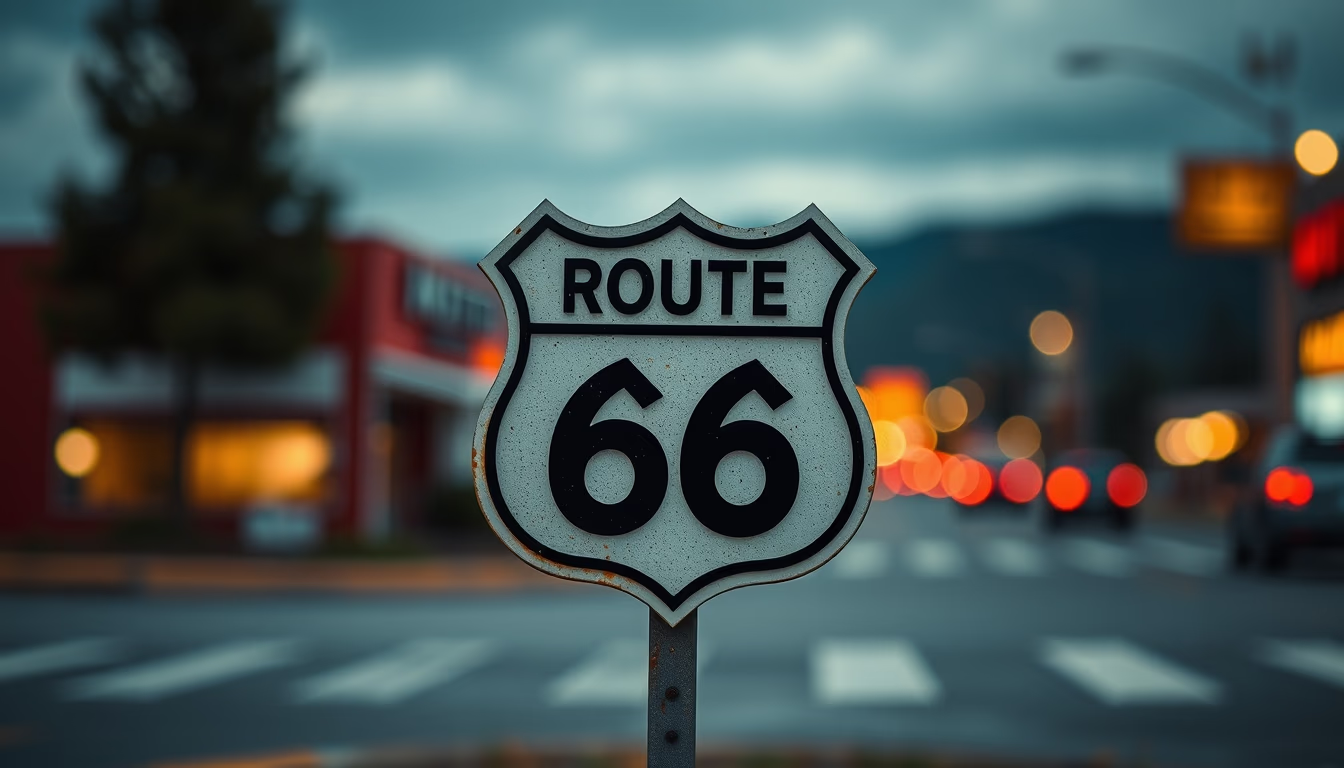
Route 66 motel neon
1344×768 · AVIF · CC BY 4.0
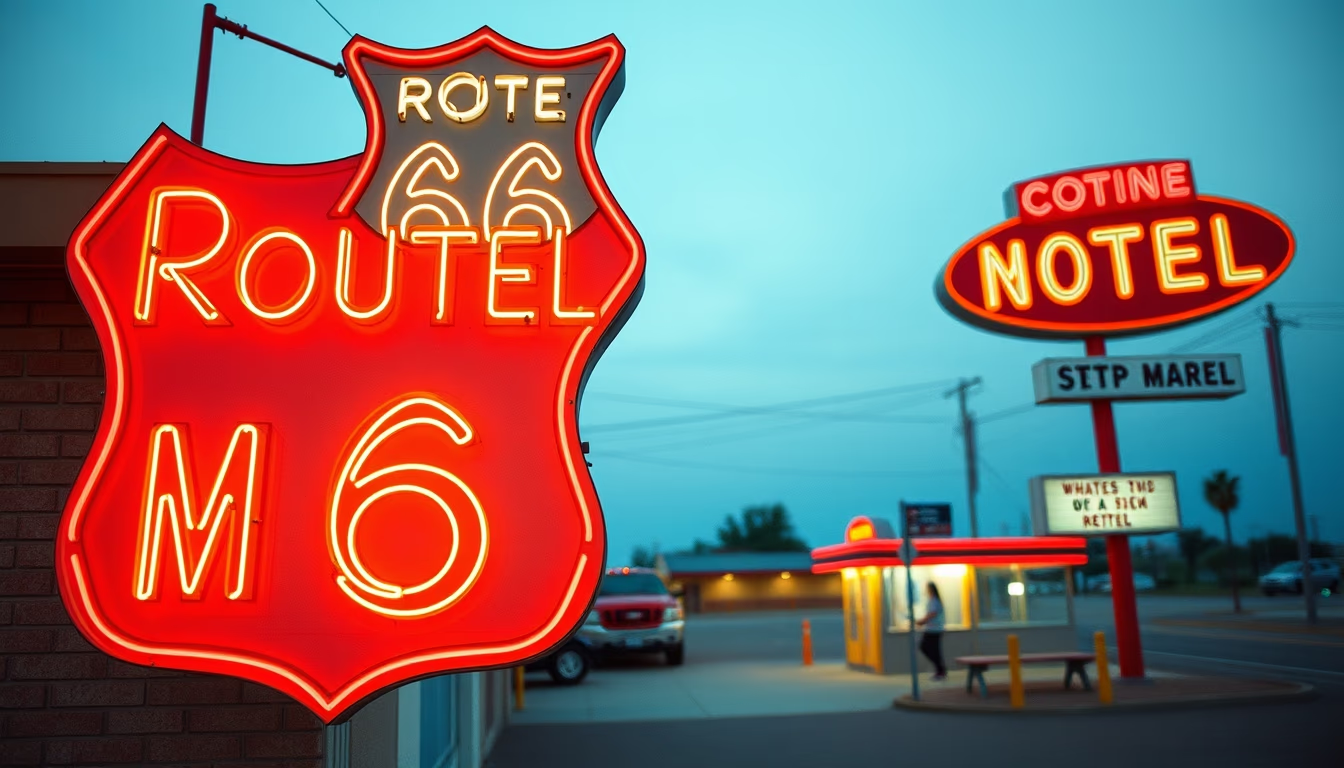
Classic motel neon sign along historic Route 66, symbol of 20th-century American road culture.
About this subject
Route 66, established in 1926, connected Chicago to Santa Monica, crossing the heart of the United States. Known as the "Mother Road," it served as a migration route during the Dust Bowl and later as a leisure highway in the postwar era. Along its 3,940 km, hundreds of motels sprang up to serve travelers, many featuring neon signs that became icons: cursive letters, glowing arrows, and vibrant colors like red, blue, and yellow. The heyday of neon motels occurred between the 1940s and 1960s, when Route 66 was the main east-west artery. Each establishment competed for attention with unique designs, such as the Wigwam Motel in Holbrook, Arizona (teepee-shaped cabins) or the Blue Swallow Motel in Tucumcari, New Mexico (with its famous blue swallow sign). The creation of the Interstate Highway System after 1956 drastically reduced traffic on Route 66, leading to many motel closures. Today, preservation efforts keep this vintage aesthetic alive: numerous signs have been restored by groups like the Route 66 Association, and the National Park Service has designated segments as a National Scenic Byway. The image of a neon motel evokes nostalgia for a time when the open road meant freedom, adventure, and endless landscapes.
Frequently Asked Questions
Why are neon signs so associated with Route 66?
In the 1950s and 1960s, neon was the most effective way to attract travelers at night. Many motels competed with colorful and flashy designs, creating a unique visual identity along the road. This aesthetic became a symbol of the optimism and car culture of the era.
How many original Route 66 motels still exist?
It is estimated that less than one-third of historic motels remain open, many renovated or converted. Route 66 lost much of its traffic after the interstate highways were built, but about 80% of the original alignment can still be driven.
What makes a neon motel sign valuable for preservation?
Beyond historical value, the artistic design and rarity. Signs like the Blue Swallow Motel's are considered works of American folk art, and their restoration involves traditional glassblowing and neon tube bending techniques.
Direct URL
https://pub-c7d6a6ea828543ac903a74a341ccb2e1.r2.dev/imagens/route-66-motel-neon-documentary-photography-fresh14.avifHow to credit
Include a visible link back to UtilizAí. Copy one of the snippets below:
<a href="https://xn--utiliza-eza.com/en/midia/imagens/route-66-motel-neon-documentary-photography-fresh14">Route 66 motel neon</a> by <a href="https://xn--utiliza-eza.com">UtilizAí</a>, licensed under <a href="https://creativecommons.org/licenses/by/4.0/">CC BY 4.0</a>.
[Route 66 motel neon](https://xn--utiliza-eza.com/en/midia/imagens/route-66-motel-neon-documentary-photography-fresh14) by [UtilizAí](https://xn--utiliza-eza.com), CC BY 4.0
License: CC-BY-4.0