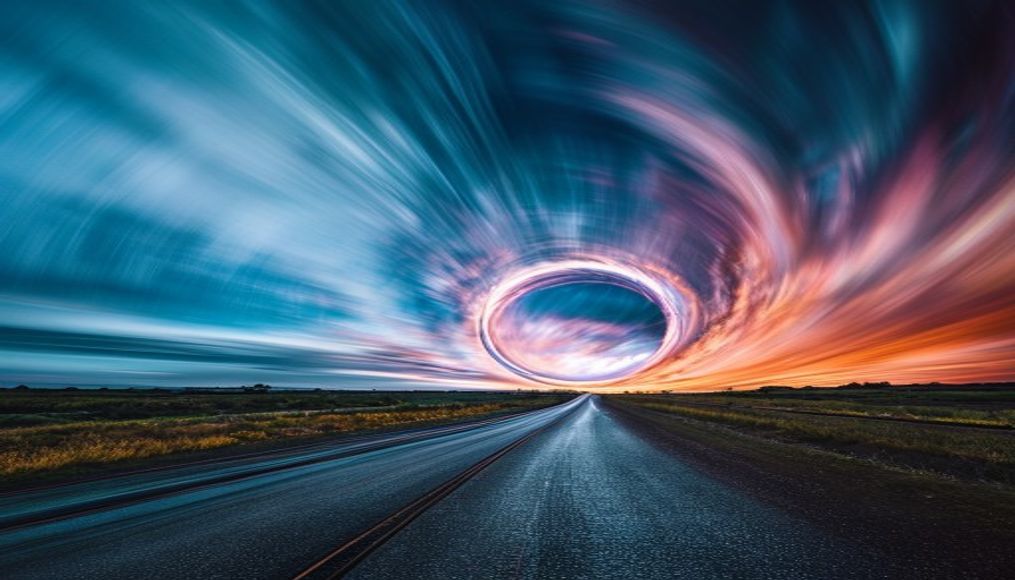
Rocket launch night fire
1344×768 · AVIF · CC BY 4.0
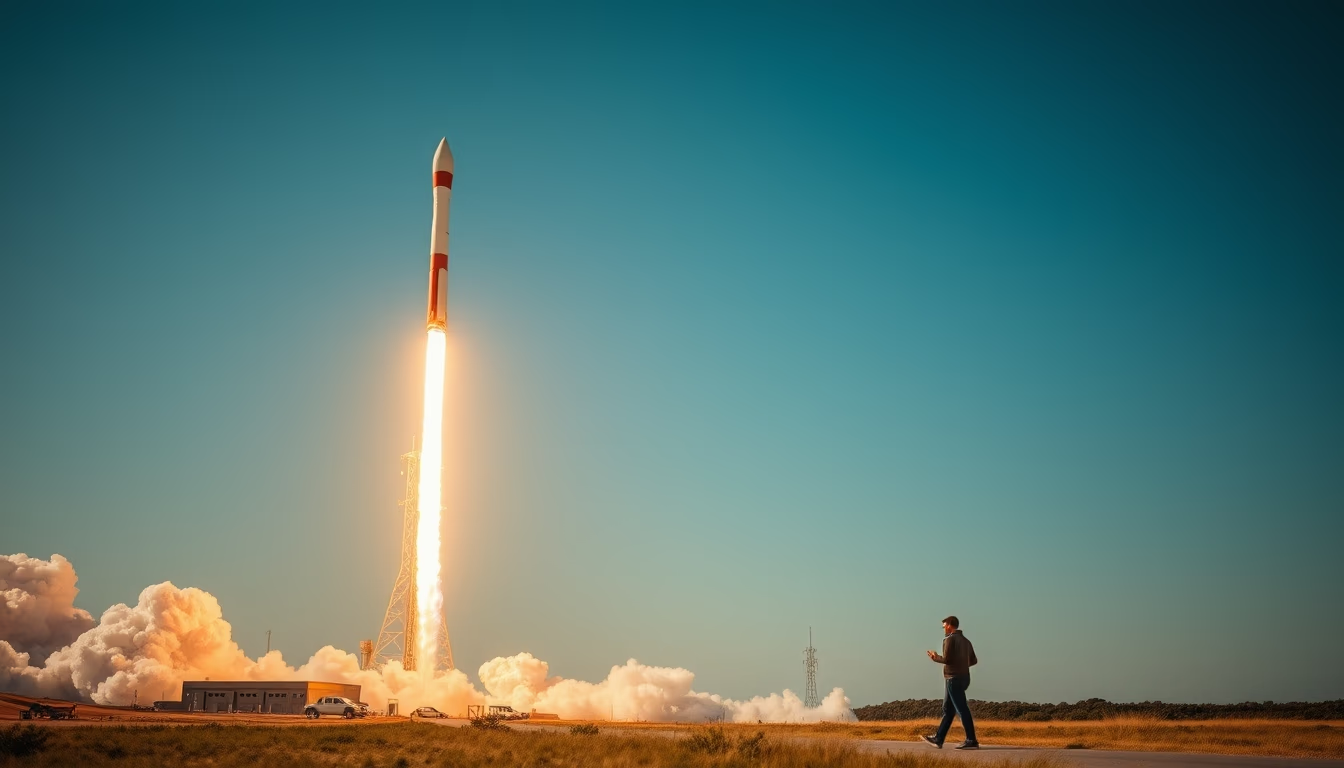
Rockets are propulsion vehicles that carry payloads such as satellites and astronauts into space, marking milestones in space exploration.
About this subject
Rockets are technological artifacts that use jet propulsion to overcome Earth's gravity. The basic principle is Newton's third law: action and reaction. Fuel burns rapidly, generating hot gases expelled at high speed, pushing the rocket in the opposite direction. There are various types, such as solid fuel (used in sounding rockets and side boosters), liquid fuel (more controllable, used in vehicles like SpaceX's Falcon 9), and hybrids.
A rocket launch is a spectacular event, especially at night, when the fire plume lights up the sky for miles. The launch timeline involves countdown, engine ignition, systems checks, and liftoff. During ascent, the rocket goes through phases: maximum dynamic pressure (Max Q), stage separation, and orbit insertion. Each mission has specific objectives, such as deploying communication satellites, sending interplanetary probes, or carrying crew to the International Space Station.
Culturally, rocket launches inspire awe and symbolize scientific progress and humanity's ability to explore the unknown. Events like the Sputnik launch (1957), Apollo 11 (1969), and Space Shuttle missions marked generations. Today, private companies like SpaceX, Blue Origin, and Rocket Lab have democratized space access, conducting frequent launches and even landing reusable rockets. Brazil also has its space program, with the Alcântara Launch Center in Maranhão and the VLS (Satellite Launch Vehicle).
Trivia: the temperature at the engine base can exceed 3,000°C, and initial acceleration is relatively low (about 1.5 g) to avoid damaging the payload. The sound of a launch is deafening, and shockwaves can be felt several miles away. The characteristic orange flame comes from burning kerosene-rich fuel (RP-1) with liquid oxygen. Liquid hydrogen rockets produce a nearly invisible, bluish flame.
Frequently Asked Questions
What is the difference between solid and liquid fuel rockets?
Solid fuel rockets have propellant already mixed (fuel + oxidizer) in solid state, being simpler and cheaper, but cannot be shut down after ignition. Liquid fuel rockets store fuel and oxidizer separately, allowing thrust control and shutdown, but are more complex and expensive.
Why are rockets launched at night?
Night launches are common for technical and visual reasons. Nighttime offers better conditions for optical tracking, less solar radiation interference on sensors, and visually the fire plume is more dramatic. Additionally, the launch window depends on the desired orbit and target position (e.g., ISS).
Which was the first rocket to carry humans into space?
The first crewed rocket was Vostok 1, on April 12, 1961, carrying Soviet cosmonaut Yuri Gagarin. He completed one orbit around Earth in 108 minutes.
Direct URL
https://pub-c7d6a6ea828543ac903a74a341ccb2e1.r2.dev/imagens/rocket-launch-night-fire-travel-photography-p0.avifHow to credit
Include a visible link back to UtilizAí. Copy one of the snippets below:
<a href="https://xn--utiliza-eza.com/en/midia/imagens/rocket-launch-night-fire-travel-photography-p0">Rocket launch night fire</a> by <a href="https://xn--utiliza-eza.com">UtilizAí</a>, licensed under <a href="https://creativecommons.org/licenses/by/4.0/">CC BY 4.0</a>.
[Rocket launch night fire](https://xn--utiliza-eza.com/en/midia/imagens/rocket-launch-night-fire-travel-photography-p0) by [UtilizAí](https://xn--utiliza-eza.com), CC BY 4.0
License: CC-BY-4.0