River smooth pebbles colorful
1344×768 · AVIF · CC BY 4.0
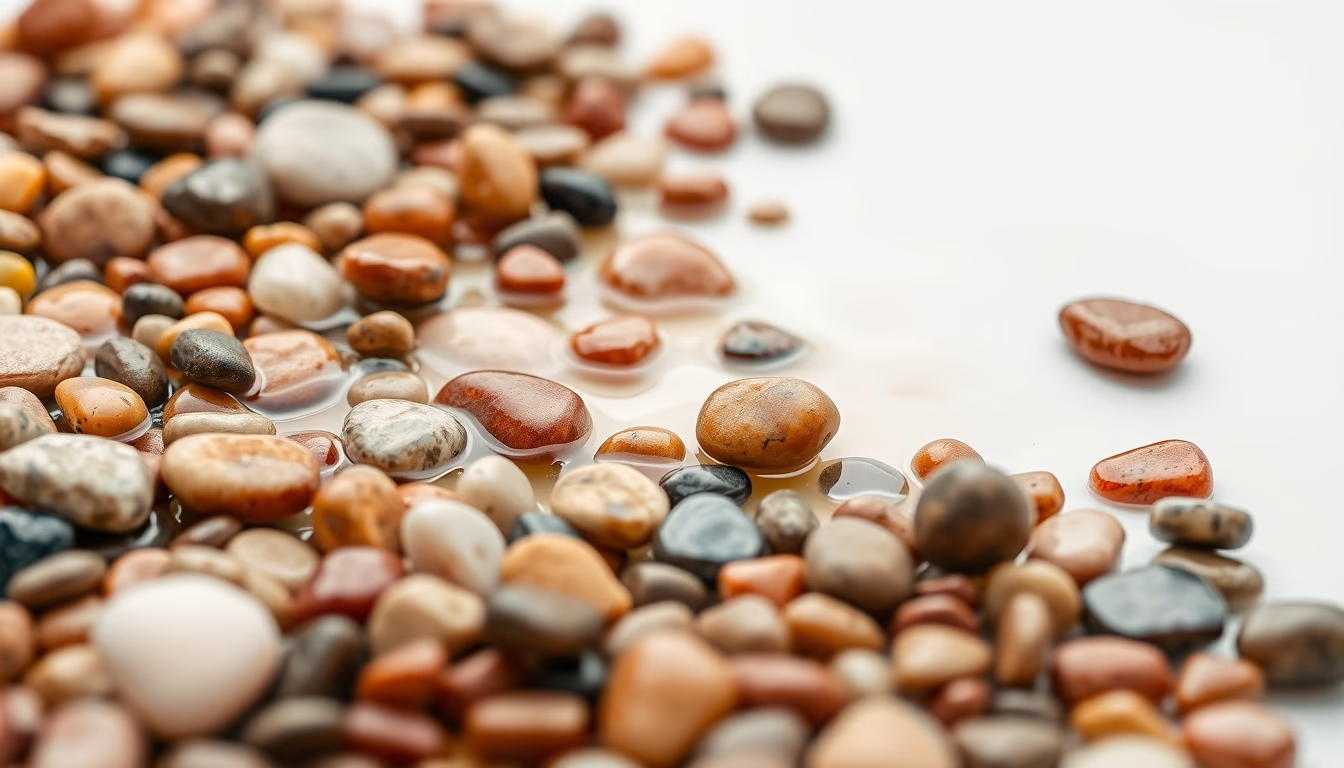
Smooth colorful river pebbles, shaped by millennia of water erosion, are prized for their vibrant hues and silky textures.
About this subject
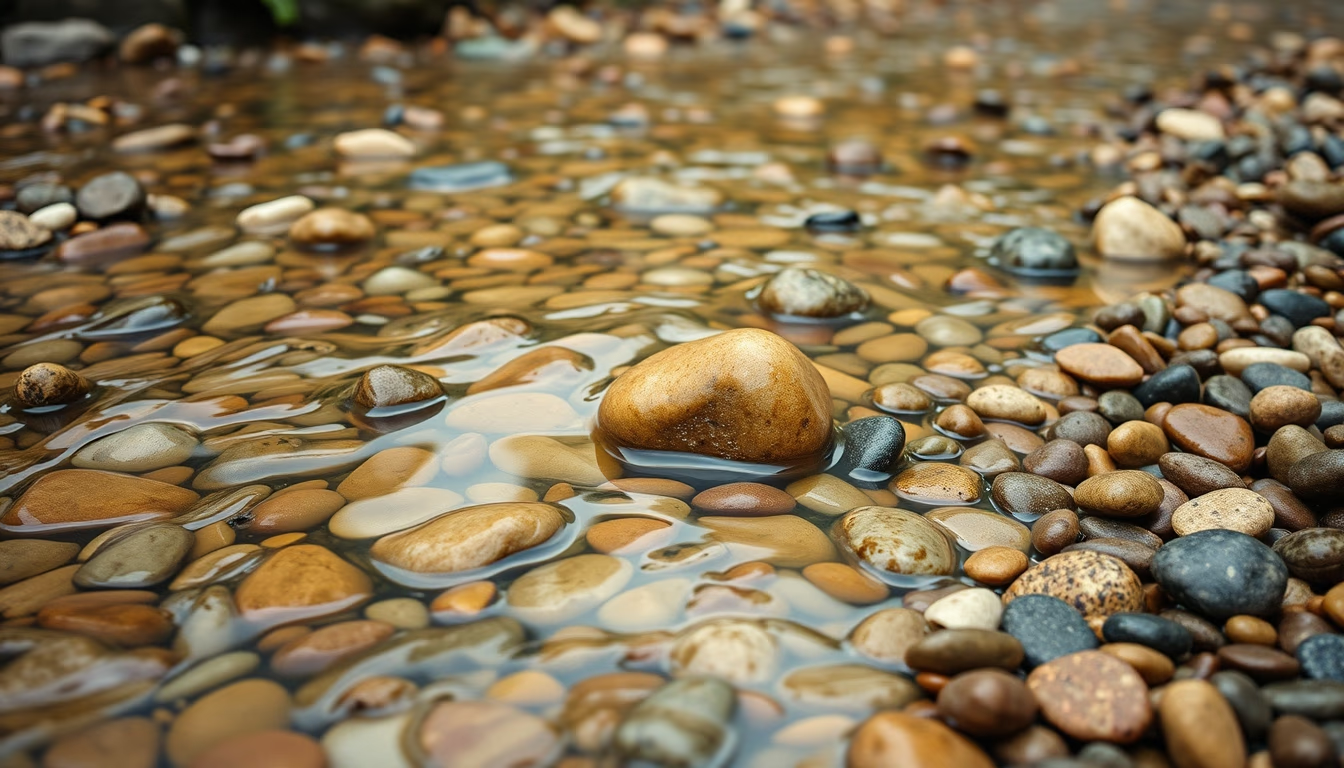
The smooth, colorful pebbles found in riverbeds result from a long natural wear process. Over thousands of years, flowing water and friction between rocks round off edges and polish surfaces, turning angular fragments into stones soft to the touch. This process, called fluvial abrasion, is more intense in stretches of rapids and waterfalls, where water energy is higher.
The vibrant coloring of these pebbles is determined by the minerals present in the source rock. Quartz and feldspar give light tones, while iron oxides produce reds, oranges, and yellows. Manganese and copper can result in purple, blue, or green hues. The geological diversity of a watershed dictates the available palette: rivers crossing mineral-rich regions, such as in Minas Gerais, Brazil, often display pebbles with intense and varied colors.
In human culture, river pebbles have multiple uses. Since prehistory, they were used as tools and ornaments. Today, they are widely used in landscaping, interior decoration, and aquariums, as well as collected for hobbies or therapeutic practices like hot stone massage in spas. Their natural beauty and durability also make them raw material for crafts and jewelry.
In Brazil, rivers like the Jequitinhonha, São Francisco, and tributaries of the Amazon are famous for their chromatic variety of pebbles. Collectors and traders extract pebbles under controlled conditions, but excessive collection can cause environmental impacts, such as changes in water flow and destruction of aquatic habitats. Therefore, the acquisition of pebbles for commercial use should prioritize sustainable and legal sources.
Frequently Asked Questions
How do river pebbles become so smooth?
Pebbles become smooth through constant friction with water, sand, and other stones over thousands of years. The flowing water acts as a natural abrasive, wearing down surfaces and rounding edges.
What minerals cause the colors in pebbles?
Colors come from minerals such as iron oxides (red, orange, yellow), manganese (purple, black), copper (blue, green), and quartz (white, clear). The combination of different minerals results in a wide color palette.
What are colorful pebbles used for?
They are used in landscaping (gardens, paths), interior decoration (pots, terrariums), aquariums, crafts, jewelry, and even therapies like hot stone massage. They are also collected for their natural beauty.
Direct URL
https://pub-c7d6a6ea828543ac903a74a341ccb2e1.r2.dev/imagens/river-smooth-pebbles-colorful-commercial-product-photography-fresh13.avifHow to credit
Include a visible link back to UtilizAí. Copy one of the snippets below:
<a href="https://xn--utiliza-eza.com/en/midia/imagens/river-smooth-pebbles-colorful-commercial-product-photography-fresh13">River smooth pebbles colorful</a> by <a href="https://xn--utiliza-eza.com">UtilizAí</a>, licensed under <a href="https://creativecommons.org/licenses/by/4.0/">CC BY 4.0</a>.
[River smooth pebbles colorful](https://xn--utiliza-eza.com/en/midia/imagens/river-smooth-pebbles-colorful-commercial-product-photography-fresh13) by [UtilizAí](https://xn--utiliza-eza.com), CC BY 4.0
License: CC-BY-4.0