Risograph print texture
1344×768 · AVIF · CC BY 4.0
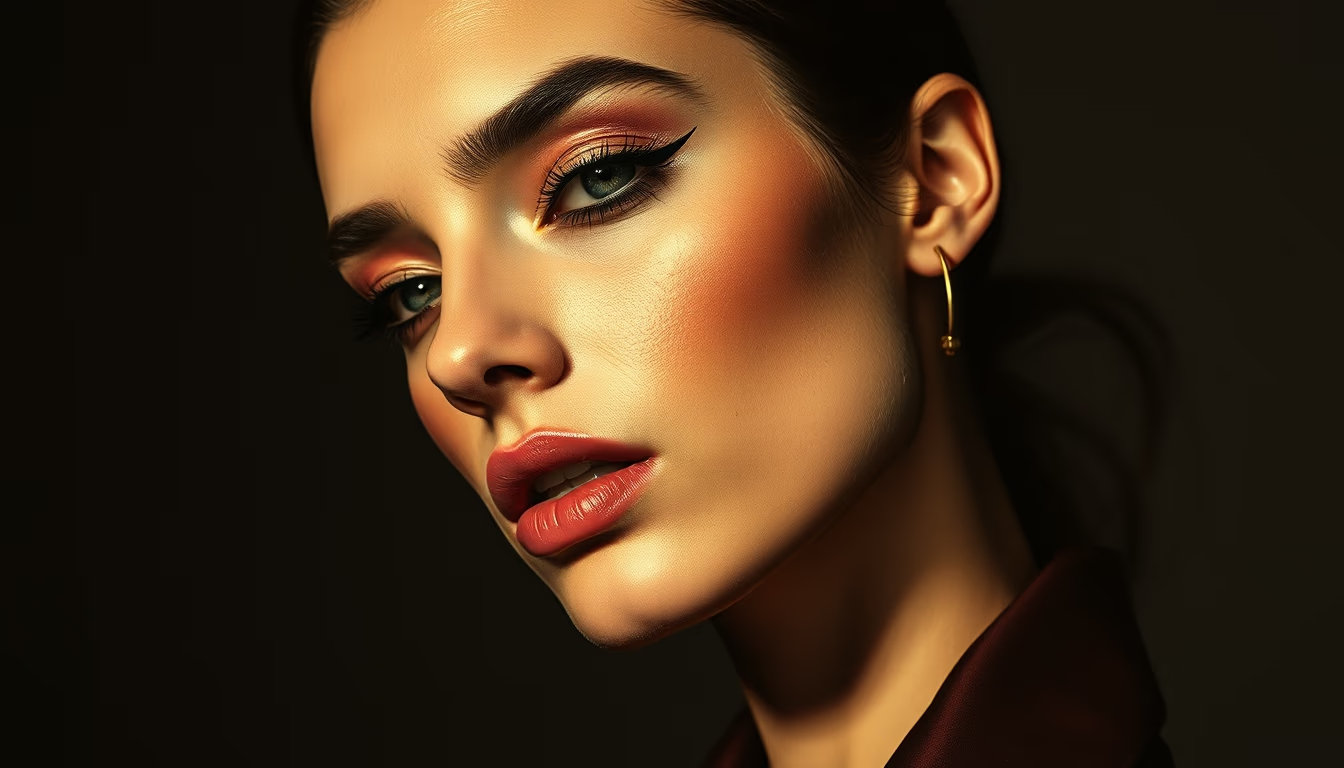
Risograph print texture combines vibrant colors and imperfect overlays, creating a unique handcrafted look widely used in fashion editorials and independent art.
About this subject
Risograph printing is a digital duplicating technique that uses rice paper stencils and soy-based inks, developed by the Japanese company Riso Kagaku Corporation in the 1980s. Originally designed for low-cost, high-volume printing in offices and schools, it was quickly adopted by artists and graphic designers for its expressive character and striking textures. Unlike common offset or digital printing, Risograph applies one color at a time, allowing overlays that produce imperfect registration, smudges, and tonal variations, features that became its aesthetic signature.
Each print is made with a synthetic fiber stencil that holds the ink, yielding finishes reminiscent of screen printing but with a more granular and organic feel. Colors are limited to a predefined palette of about 20 vibrant hues, such as fluorescent orange, hot pink, and electric blue, which when overlaid create new optical colors. This technical limitation, combined with deliberate imperfection, turns each copy into an almost unique piece, valued in the independent publishing market and fashion campaigns seeking an authentic, handmade look.
In the context of high fashion and editorial photography, Risograph texture has been used to evoke nostalgia, sustainability, and a DIY appeal. Brands and magazines like Vogue, i-D, and Acne Studios have incorporated this aesthetic into photo shoots and covers, contrasting digital precision with human touch. The technique has also gained ground in art book design, zines, and posters, where risograph texture is appreciated for adding depth and personality to flat images.
Interestingly, Riso Kagaku Corporation never intended its machine to become an artistic tool; the popularity came bottom-up, driven by printing collectives and independent studios worldwide. Today, Risograph is a symbol of resistance to mass production and digital perfection, celebrating flaws as creative expression.
Frequently Asked Questions
What is the difference between Risograph and offset printing?
Risograph uses stencils and soy-based ink, applying one color at a time with imperfect registration, while offset uses metal plates and exact colors. The risograph result has a grainy texture and organic overlays, unlike the smooth, precise finish of offset.
Why is Risograph texture popular in fashion editorials?
It provides an authentic, handmade, and nostalgic look that contrasts with digital perfection. Fashion brands use this aesthetic to convey sustainability, exclusivity, and human touch, especially in independent and high-fashion campaigns.
How many colors can a Risograph print?
Risograph machines have a fixed palette of about 20 vibrant colors. Each color requires a separate pass, allowing overlays that create new shades. It cannot print CMYK colors directly.
Direct URL
https://pub-c7d6a6ea828543ac903a74a341ccb2e1.r2.dev/imagens/risograph-print-texture-high-fashion-editorial-p3.avifHow to credit
Include a visible link back to UtilizAí. Copy one of the snippets below:
<a href="https://xn--utiliza-eza.com/en/midia/imagens/risograph-print-texture-high-fashion-editorial-p3">Risograph print texture</a> by <a href="https://xn--utiliza-eza.com">UtilizAí</a>, licensed under <a href="https://creativecommons.org/licenses/by/4.0/">CC BY 4.0</a>.
[Risograph print texture](https://xn--utiliza-eza.com/en/midia/imagens/risograph-print-texture-high-fashion-editorial-p3) by [UtilizAí](https://xn--utiliza-eza.com), CC BY 4.0
License: CC-BY-4.0