Retired investor reviewing real estate fund portfolio
1344×768 · AVIF · CC BY 4.0

Retired investor reviews real estate fund portfolio, assessing yields and outlook for Brazilian REIT market.
About this subject
For a retired investor, managing a portfolio of Real Estate Investment Trusts (REITs) requires constant attention to monthly yields and share price appreciation. In Brazil, FIIs (Fundos de Investimento Imobiliário) have become popular as a passive income alternative, especially for those seeking to supplement their pensions. As of 2024, the Brazilian REIT market comprises over 400 funds listed on B3, with a net asset value exceeding R$ 200 billion. Analyzing indicators such as dividend yield, net asset value per share (NAV), and property vacancy rates is crucial for deciding whether to hold, buy, or sell positions.
Sector diversification is a key factor: funds focused on corporate office buildings, shopping malls, logistics warehouses, and education or healthcare assets have distinct risk-return profiles. The retired investor must consider share liquidity and exposure to economic cycles. During periods of high Selic interest rates, brick-and-mortar REITs (physical properties) may suffer from depreciation, while paper REITs (backed by securities) benefit. The 2023 tax reform also changed the taxation of REIT dividends, impacting financial planning.
Beyond monthly income, experienced investors monitor fund management quality, tenant creditworthiness, and lease contract durations. Manager reports and shareholder meetings provide insights into new acquisitions or asset sales. Transparency from fund managers is essential for investment trust. For those already in the wealth consumption phase, cash flow predictability is more valued than short-term capital gains.
The secondary market for REITs offers opportunities to buy at a discount during stress periods, but requires patience and fundamental analysis. Retirees often prefer funds with a consistent track record of dividend distribution and low volatility. Modern investment platforms facilitate daily portfolio tracking with charts and performance comparisons. Continuous financial education helps avoid emotional decisions amid real estate market fluctuations.
Frequently Asked Questions
What is a Brazilian Real Estate Investment Trust (FII)?
It is a fund that invests in real estate projects such as shopping malls, office buildings, and logistics warehouses. Shareholders receive monthly income from rents or property sales.
What are the main indicators to evaluate a Brazilian REIT?
Dividend yield (monthly return per share), net asset value per share (NAV), property vacancy rate, and share liquidity on B3 are among the most used indicators.
How does the Selic interest rate affect Brazilian REITs?
High Selic tends to devalue brick-and-mortar REITs (physical properties) and favor paper REITs (backed by real estate securities). REIT returns should be compared to CDI and inflation to assess real gains.
Direct URL
https://pub-c7d6a6ea828543ac903a74a341ccb2e1.r2.dev/imagens/retired-investor-reviewing-real-estate-fund-portfolio-wide-late-afternoon-6.avifHow to credit
Include a visible link back to UtilizAí. Copy one of the snippets below:
<a href="https://xn--utiliza-eza.com/en/midia/imagens/retired-investor-reviewing-real-estate-fund-portfolio-wide-late-afternoon-6">Retired investor reviewing real estate fund portfolio</a> by <a href="https://xn--utiliza-eza.com">UtilizAí</a>, licensed under <a href="https://creativecommons.org/licenses/by/4.0/">CC BY 4.0</a>.
[Retired investor reviewing real estate fund portfolio](https://xn--utiliza-eza.com/en/midia/imagens/retired-investor-reviewing-real-estate-fund-portfolio-wide-late-afternoon-6) by [UtilizAí](https://xn--utiliza-eza.com), CC BY 4.0
License: CC-BY-4.0
Tags
Related images
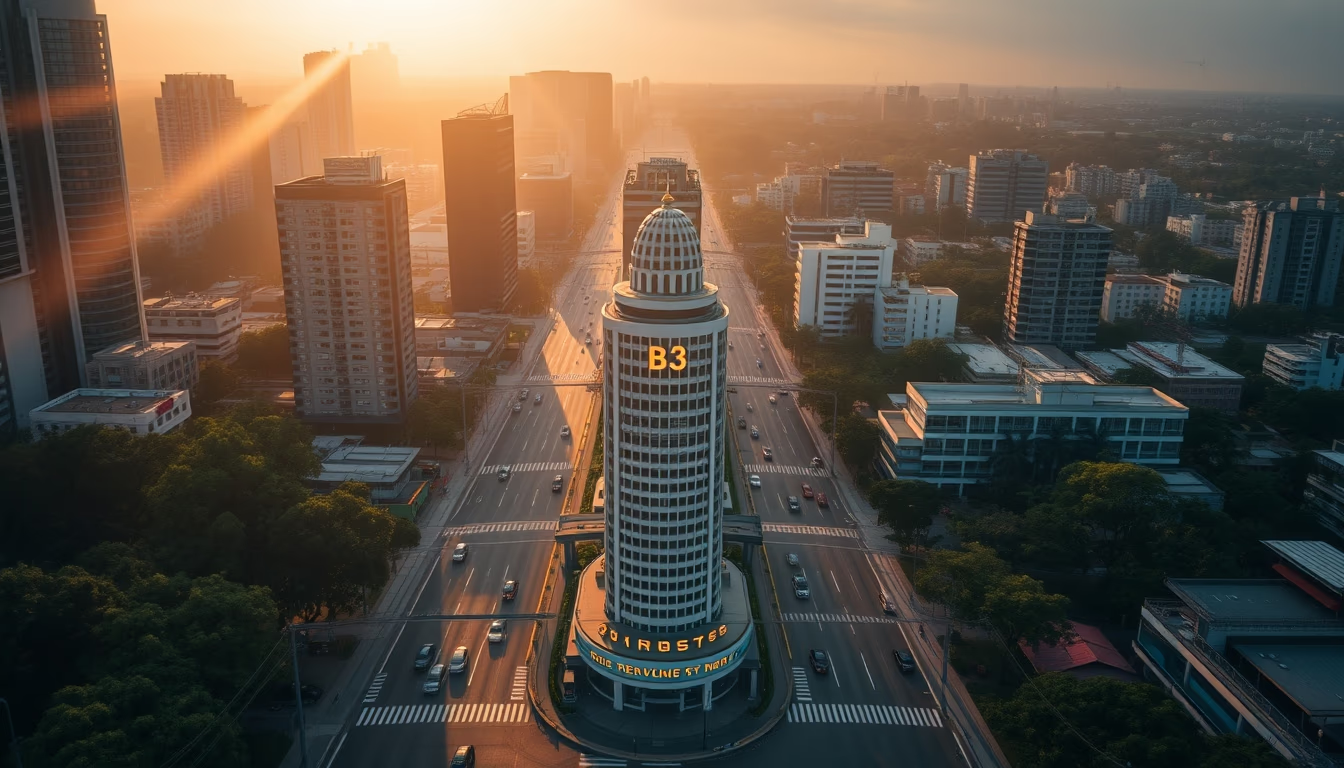 Aerial view of São Paulo financial district at golden hour with B3 building
 Aerial view of São Paulo financial district at golden hour with B3 building
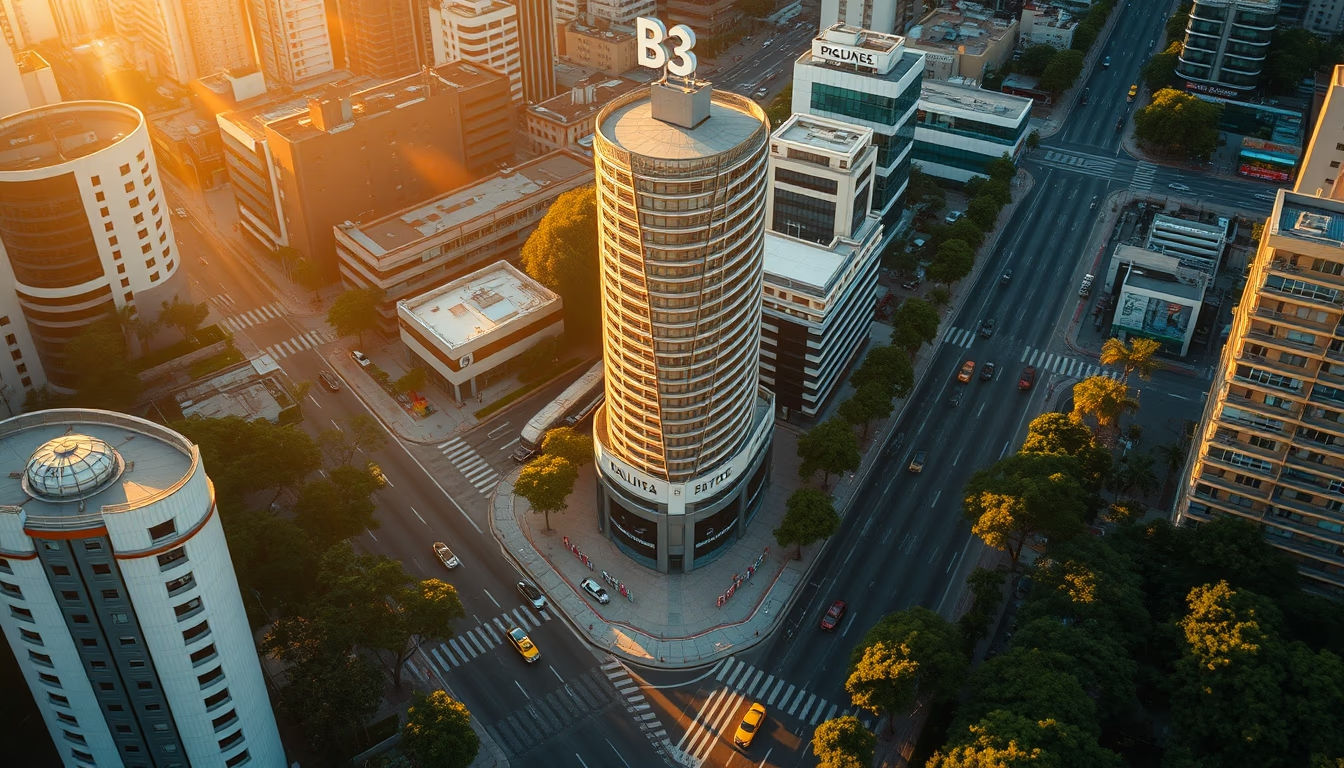 Aerial view of São Paulo financial district at golden hour with B3 building
 Aerial view of São Paulo financial district at golden hour with B3 building
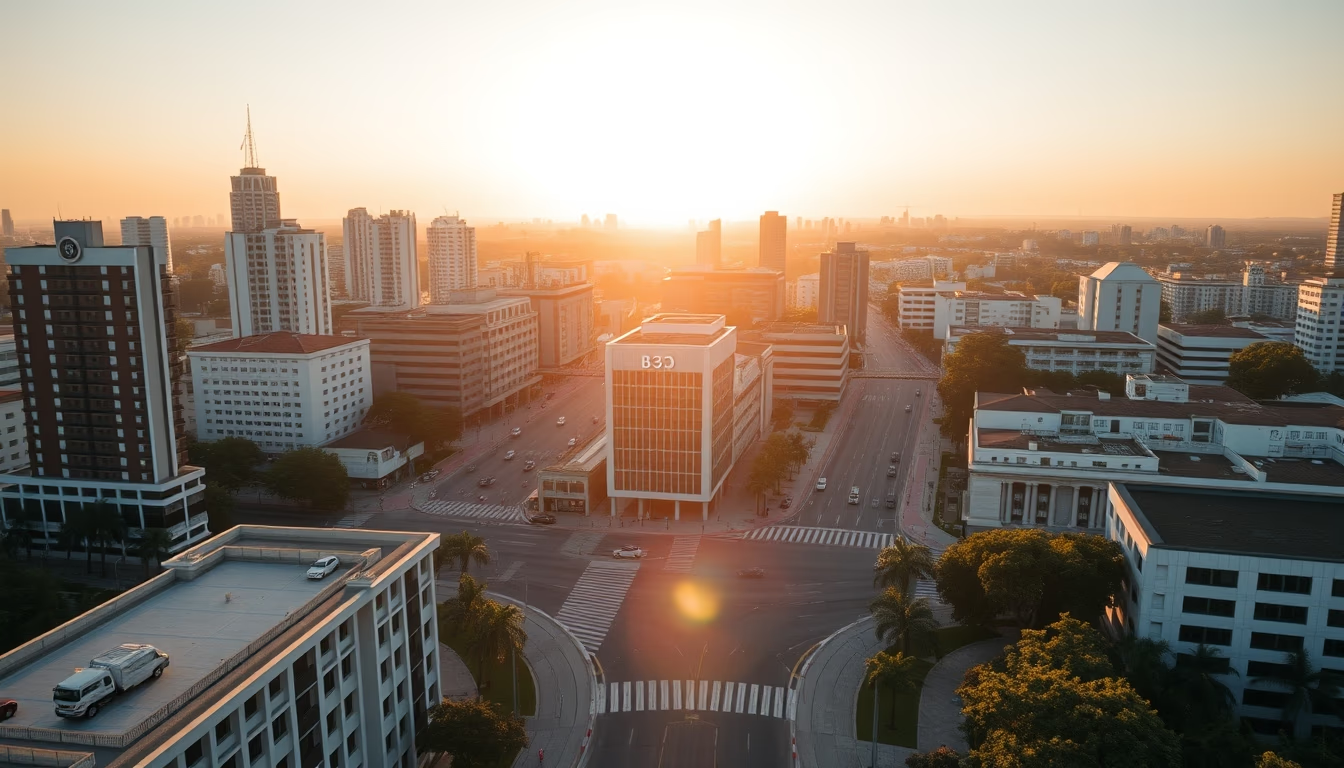 Aerial view of São Paulo financial district at golden hour with B3 building
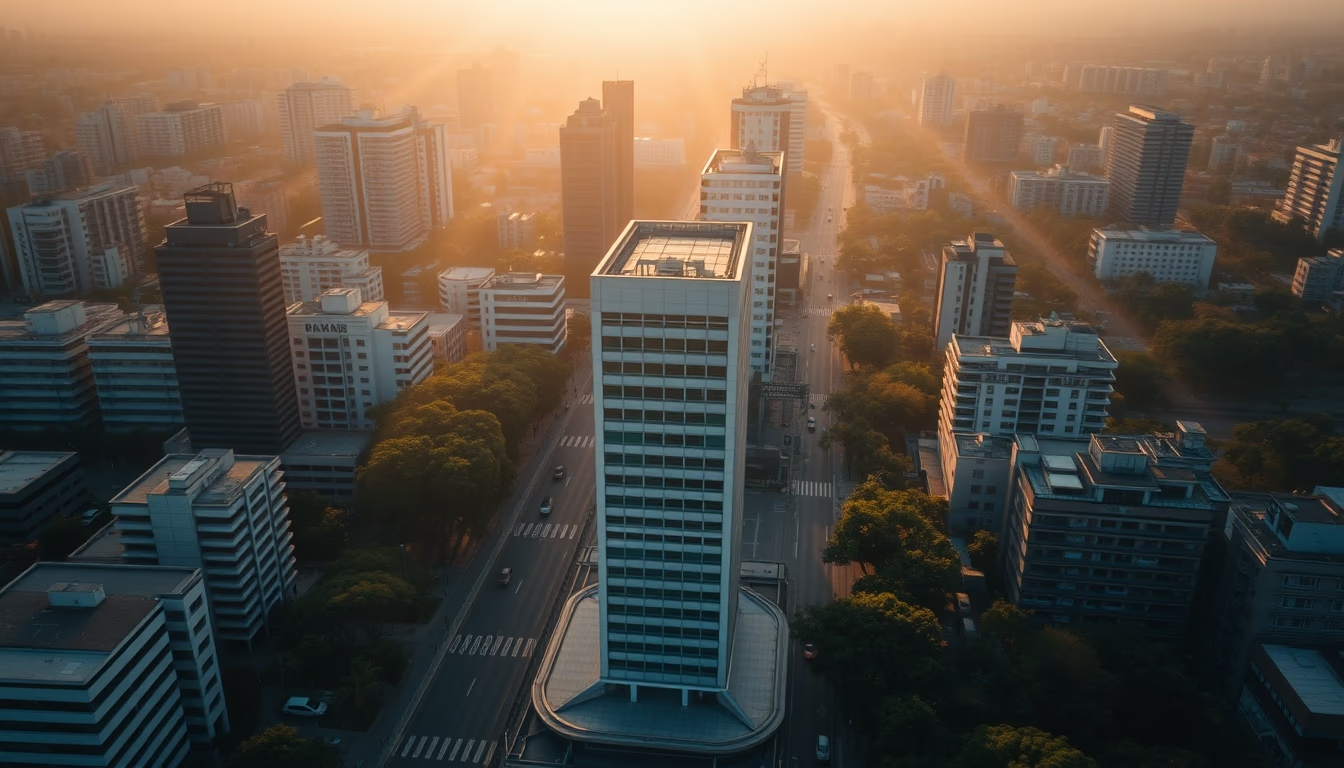 Aerial view of São Paulo financial district at golden hour with B3 building