Rappel rope cliff
1344×768 · AVIF · CC BY 4.0
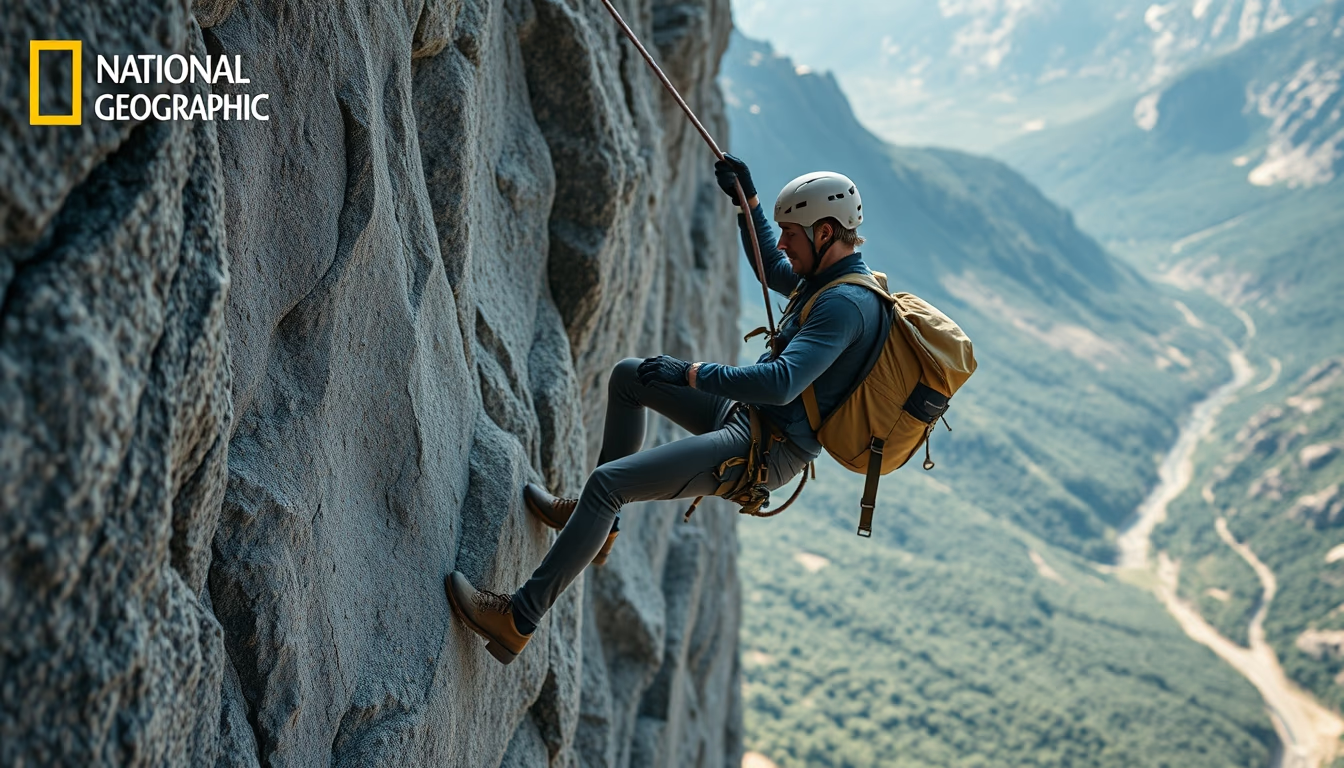
Rappelling down cliffs combines technique, safety, and adventure in stunning natural landscapes.
About this subject
Rappelling is a controlled descent technique using ropes, widely applied in mountaineering, caving, rescue operations, and recreational activities. Its origins trace back to the 19th century when European alpinists began systematizing methods to safely descend steep slopes. Today, rappelling is practiced worldwide on cliffs, waterfalls, rock faces, and even urban buildings.
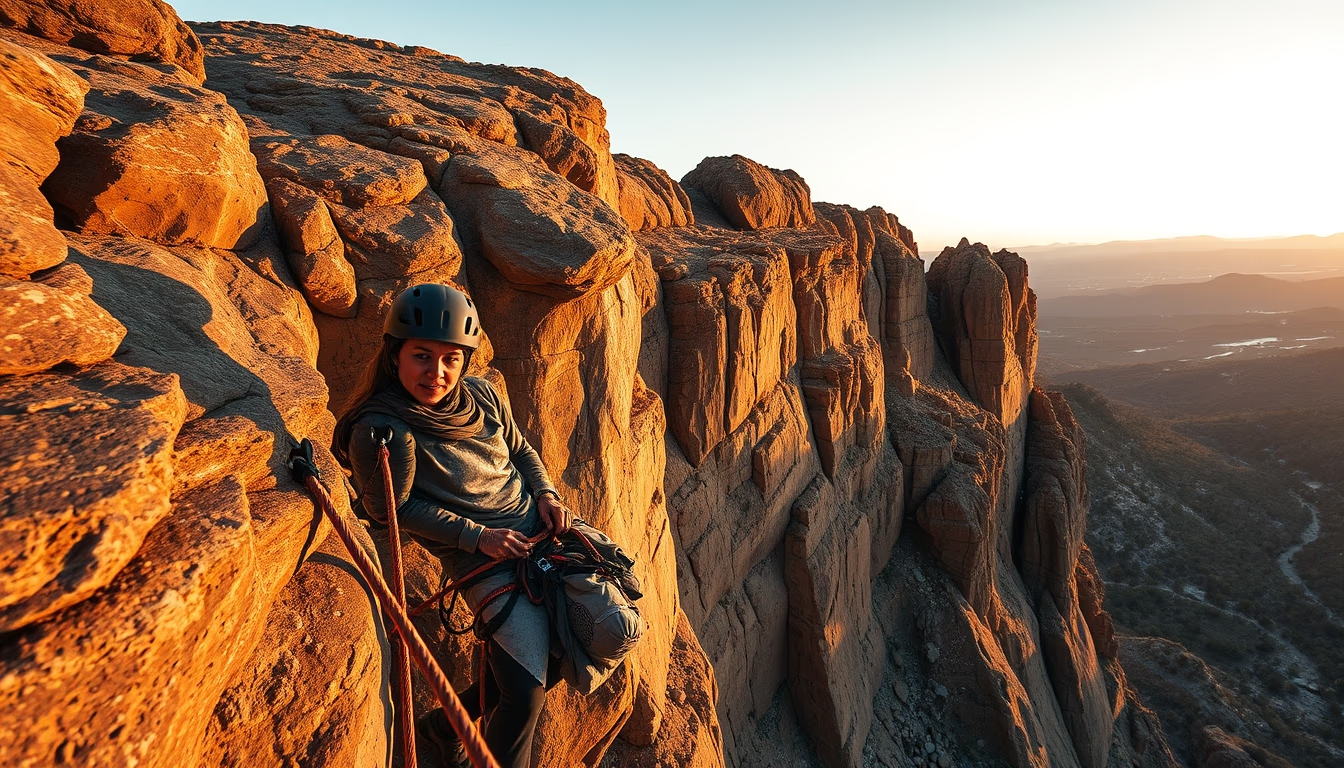
In Brazil, destinations such as Pedra do Baú in São Paulo, Serra dos Órgãos National Park in Rio de Janeiro, and Chapada Diamantina in Bahia offer vertical walls ideal for the activity. Each location requires careful assessment of geological conditions, climate, and anchor point resistance. Basic equipment includes a dynamic rope, harness, locking carabiners, a descender (such as a figure-eight or a Grigri), and a helmet. The technique involves keeping the body perpendicular to the rock, legs shoulder-width apart, and controlling speed with the dominant hand on the brake cable.
Safety is the central pillar. Before any descent, the practitioner must check anchors, knots, and equipment. The anchor system should be redundant, using independent points. Rappelling is considered safe when performed with proper training and supervision by certified professionals. Incidents usually stem from human error or negligence, not the technique itself. Many climbers use rappelling as a way to descend after climbing, and rescue teams employ it in mountain and canyon operations.
Interestingly, the term "rappel" derives from the French word "rappeler," meaning "to call back," referencing the action of pulling the rope after the descent. In sport competitions, such as speed rappelling, athletes descend building walls or cliffs in seconds, combining precision and agility. For beginners, basic courses are recommended to teach not only descent but also anchoring, system rigging, and emergency protocols.
Frequently Asked Questions
What is rappelling?
Rappelling is a controlled descent technique using ropes, used to descend vertical surfaces like cliffs, waterfalls, and buildings. It is practiced by climbers, cavers, and rescue teams.
What equipment is needed for rappelling?
Basic equipment includes a dynamic rope, harness, locking carabiners, a descender (such as a figure-eight or Grigri), helmet, and gloves. All items must have safety certification.
Is rappelling dangerous?
With proper training and correct equipment, rappelling is safe. Most accidents result from human error, such as poorly made anchors or negligence. Courses with certified instructors reduce risks.
Direct URL
https://pub-c7d6a6ea828543ac903a74a341ccb2e1.r2.dev/imagens/rappel-rope-cliff-national-geographic-style-p0.avifHow to credit
Include a visible link back to UtilizAí. Copy one of the snippets below:
<a href="https://xn--utiliza-eza.com/en/midia/imagens/rappel-rope-cliff-national-geographic-style-p0">Rappel rope cliff</a> by <a href="https://xn--utiliza-eza.com">UtilizAí</a>, licensed under <a href="https://creativecommons.org/licenses/by/4.0/">CC BY 4.0</a>.
[Rappel rope cliff](https://xn--utiliza-eza.com/en/midia/imagens/rappel-rope-cliff-national-geographic-style-p0) by [UtilizAí](https://xn--utiliza-eza.com), CC BY 4.0
License: CC-BY-4.0