Rappel rope cliff
1344×768 · AVIF · CC BY 4.0
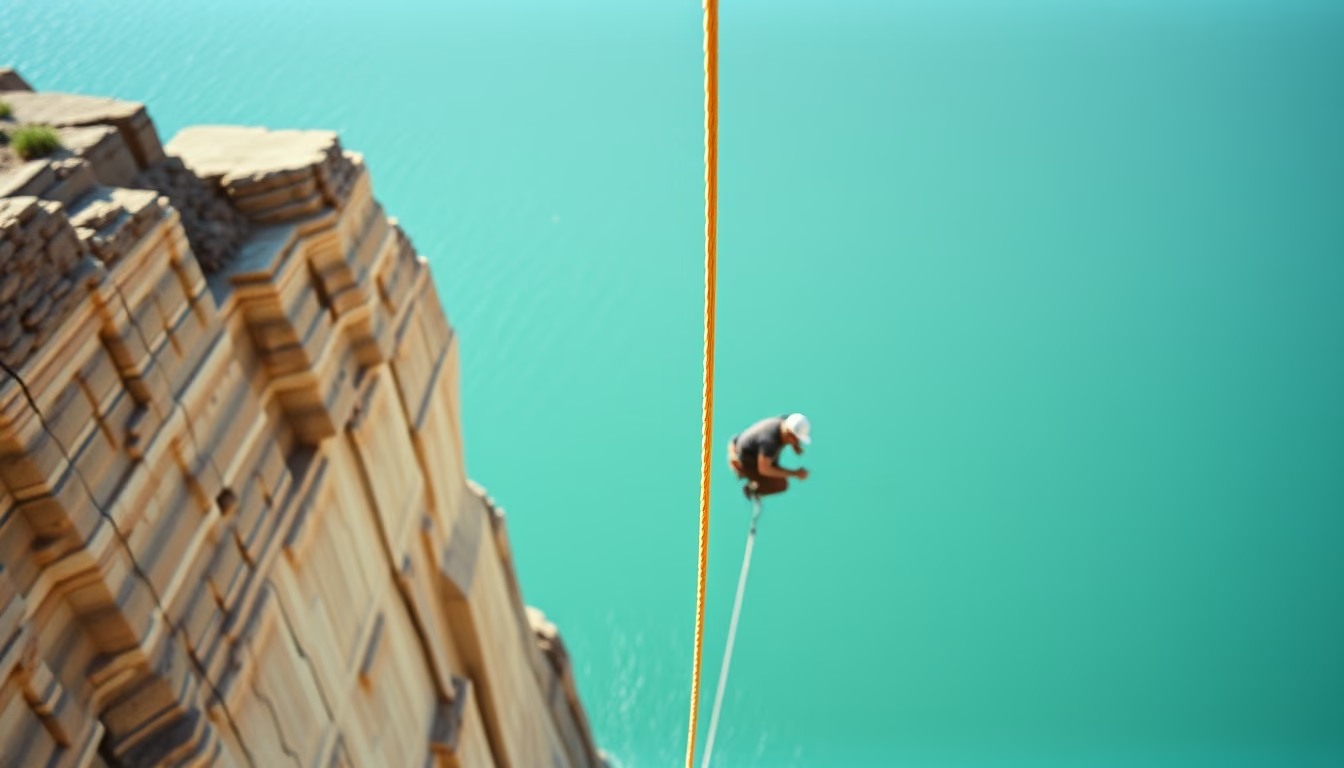
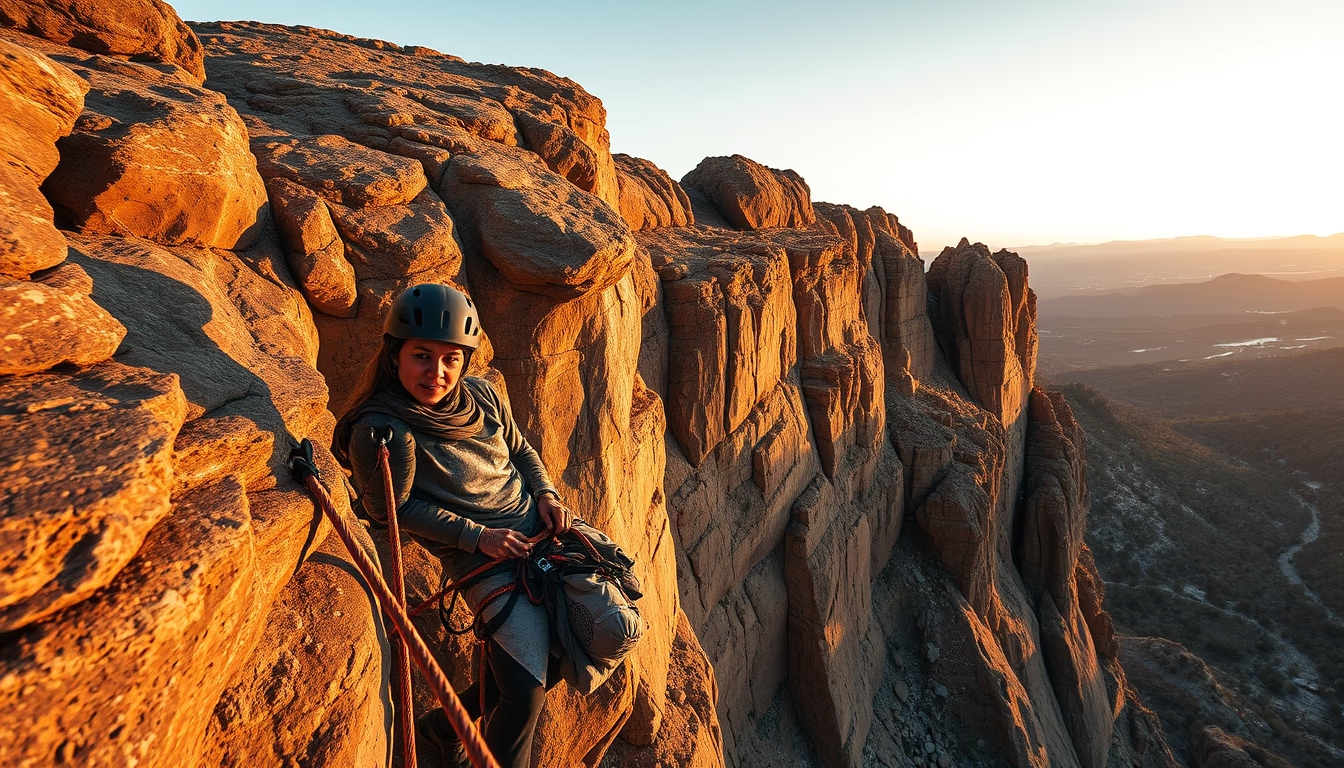
Abseiling down a cliff with dynamic rope, a climbing technique used in mountains and canyons in Brazil and worldwide.
About this subject
Rappel, also known as abseiling, is a controlled descent technique using ropes, employed in outdoor activities such as climbing, canyoning, and rescue. The practice requires specific gear: dynamic or static rope, harness, descender (like figure-eight or GriGri), carabiners, and helmet. In Brazil, rappelling is popular in mountainous regions like Serra do Mar (SP/PR), Chapada Diamantina (BA), and Serra dos Órgãos National Park (RJ), where cliffs can exceed 300 meters in height.
The technique originated from military mountaineering and was adapted for recreational use in the 1970s. Unlike zip-lining, rappel demands active speed control through friction between the rope and the descender device. In canyoning, twin ropes are common for safety, while classic climbing rappels often use a single rope doubled over. Rappel lengths vary from a few meters to hundreds; the world's longest commercial abseil is in South Africa, 192 meters (Kloofing).
Safety is paramount: before descending, check the anchor knot (e.g., figure-eight follow-through), rope strength, and backup system. In Brazil, the practice is regulated by the Brazilian Mountaineering Confederation (CBM) and requires certified instructors. Dynamic ropes, which absorb impact, are standard in climbing, while static ropes (less elastic) are preferred for canyoning.
Trivia: The word rappel comes from French "rappeler" (to call back), referring to pulling the rope after descent. In English, "abseiling" is common (from German abseilen). The lo-fi disposable camera aesthetic evokes nostalgic adventure memories, typical of 1990s expedition snapshots.
Frequently Asked Questions
What is the difference between rappelling and zip-lining?
In rappelling, the person controls the vertical descent using rope friction. Zip-lining involves sliding horizontally by gravity, without active speed control.
What equipment is mandatory for rappelling?
Dynamic or static rope, harness, descender (figure-eight, GriGri), locking carabiners, helmet, and gloves. A backup system is also recommended.
Is rappelling dangerous?
With proper gear and professional instruction, the risk is low. Most accidents result from human error: faulty knots, weak anchors, or damaged ropes.
Direct URL
https://pub-c7d6a6ea828543ac903a74a341ccb2e1.r2.dev/imagens/rappel-rope-cliff-lo-fi-disposable-camera-p4.avifHow to credit
Include a visible link back to UtilizAí. Copy one of the snippets below:
<a href="https://xn--utiliza-eza.com/en/midia/imagens/rappel-rope-cliff-lo-fi-disposable-camera-p4">Rappel rope cliff</a> by <a href="https://xn--utiliza-eza.com">UtilizAí</a>, licensed under <a href="https://creativecommons.org/licenses/by/4.0/">CC BY 4.0</a>.
[Rappel rope cliff](https://xn--utiliza-eza.com/en/midia/imagens/rappel-rope-cliff-lo-fi-disposable-camera-p4) by [UtilizAí](https://xn--utiliza-eza.com), CC BY 4.0
License: CC-BY-4.0