Quran illuminated golden
1344×768 · AVIF · CC BY 4.0
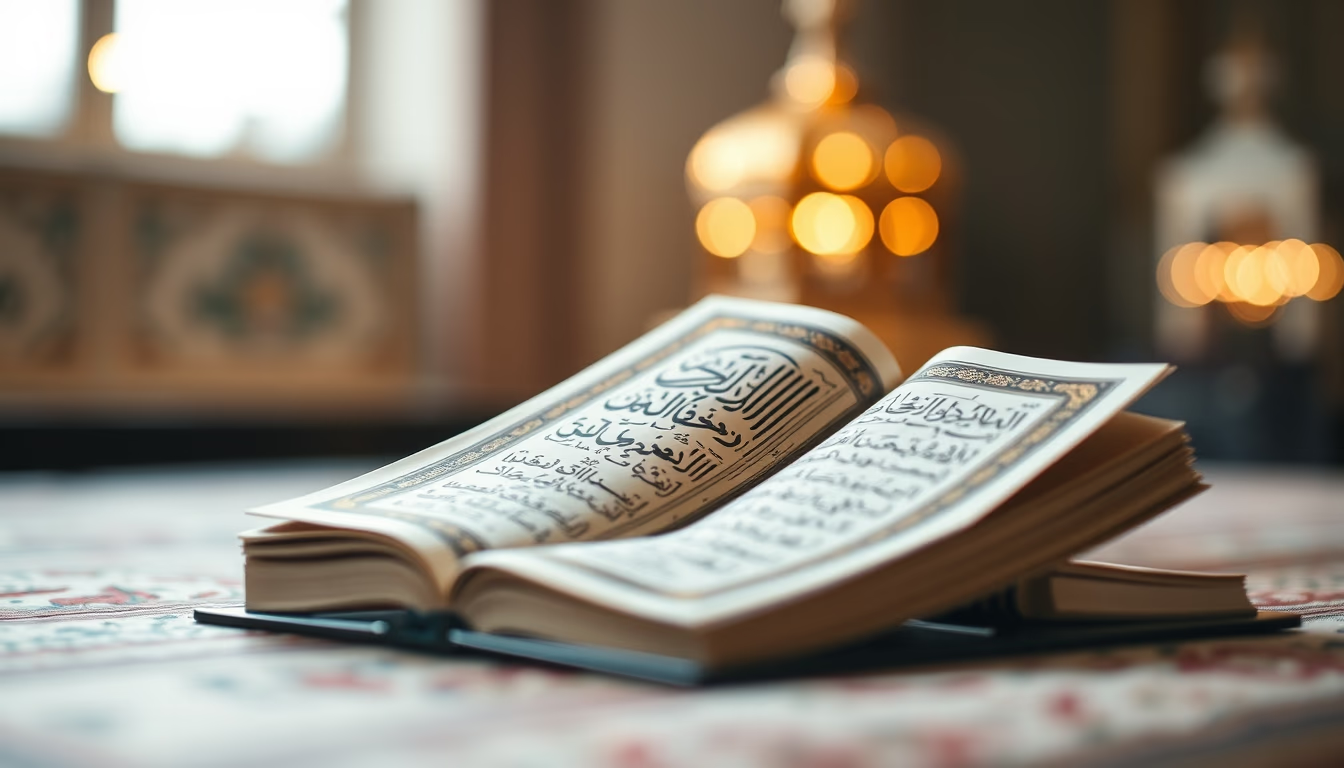
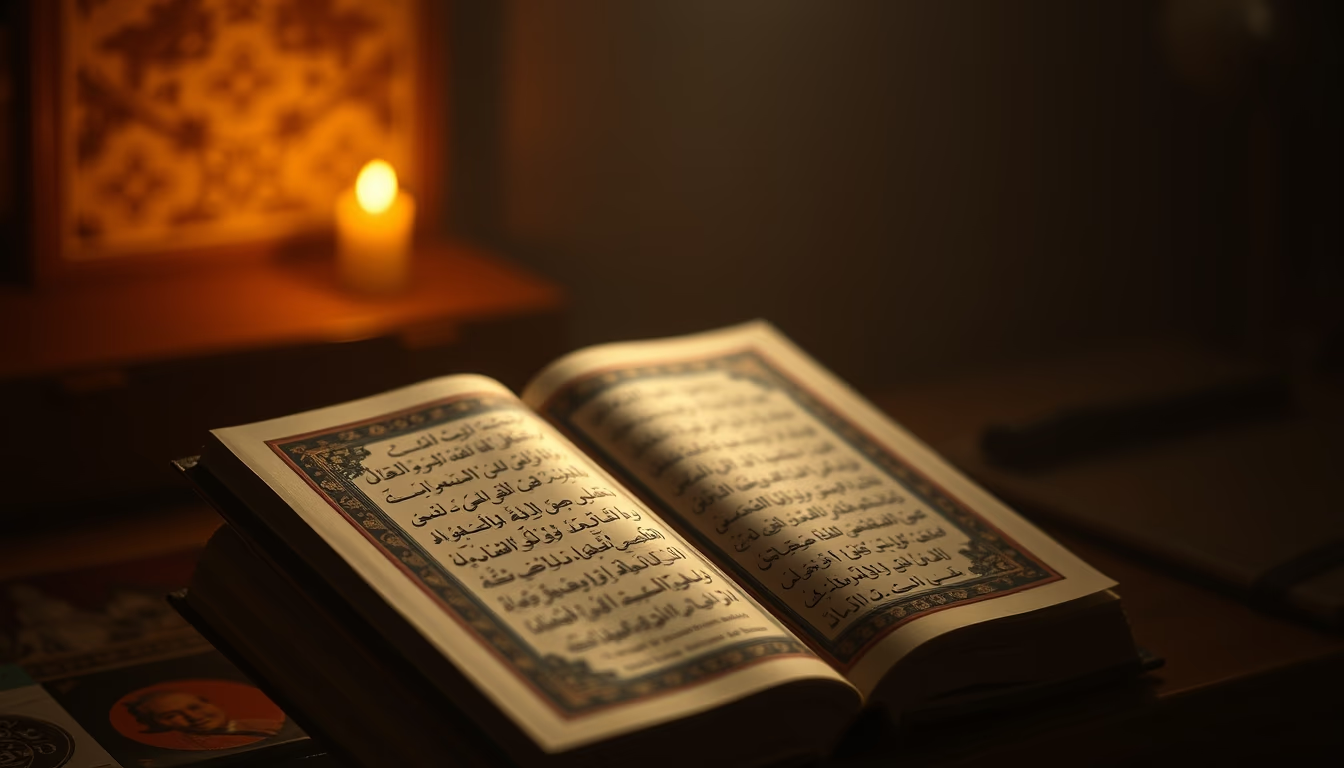
The Quran illuminated in gold represents one of the richest traditions of Islamic art, combining sacred calligraphy with golden ornamentation in historical manuscripts.
About this subject
The illumination of the Quran, known as 'tezhib' in the Islamic world, is an art that flourished particularly between the 8th and 16th centuries. Manuscripts were decorated with gold leaf, lapis lazuli, and other precious pigments, enhancing the beauty of Arabic script. This practice not only beautified the sacred text but also reflected veneration for the word of Allah. The earliest known illuminated Qurans date from the 9th century, with examples preserved in libraries such as those in Cairo and Istanbul.
Different calligraphic schools contributed to the evolution of Quranic illumination. During the Mamluk period, the use of gold and deep blue became characteristic, while the Ottomans preferred more delicate floral and geometric designs. Illumination was not limited to the text: margins, opening surahs, and verse divisions were adorned with arabesques and stylized vegetal motifs. Each region developed its own style, such as the Persian, influenced by miniature painting, and the Maghrebi, with more rigid lines.
Beyond aesthetic value, golden illumination served to guide reading and highlight important passages. For instance, the opening pages of each surah often displayed elaborate decorations. Producing an illuminated Quran required months or years of work by calligraphers and illuminators, making these manuscripts luxury items destined for mosques and royal libraries. Today, many copies are preserved in museums, such as the Museum of Turkish and Islamic Arts in Istanbul, and continue to inspire contemporary artists.
Frequently Asked Questions
What is Quran illumination?
It is the art of decorating Quran manuscripts with colored and golden ornaments, including arabesques, floral motifs, and elaborate calligraphy, typically using gold leaf and pigments like lapis lazuli.
What materials are used in golden illumination?
Main materials include beaten gold leaf, lapis lazuli (for blue), saffron (for yellow), and cochineal (for red), along with gum arabic-based binders to fix the pigments.
What is the difference between calligraphy and illumination?
Calligraphy is the art of beautiful writing of Arabic letters, while illumination is the ornamental decoration surrounding the text, including borders, vignettes, and arabesques. Both are often combined in Quranic manuscripts.
Direct URL
https://pub-c7d6a6ea828543ac903a74a341ccb2e1.r2.dev/imagens/quran-illuminated-golden-tilt-shift-miniature-fresh3.avifHow to credit
Include a visible link back to UtilizAí. Copy one of the snippets below:
<a href="https://xn--utiliza-eza.com/en/midia/imagens/quran-illuminated-golden-tilt-shift-miniature-fresh3">Quran illuminated golden</a> by <a href="https://xn--utiliza-eza.com">UtilizAí</a>, licensed under <a href="https://creativecommons.org/licenses/by/4.0/">CC BY 4.0</a>.
[Quran illuminated golden](https://xn--utiliza-eza.com/en/midia/imagens/quran-illuminated-golden-tilt-shift-miniature-fresh3) by [UtilizAí](https://xn--utiliza-eza.com), CC BY 4.0
License: CC-BY-4.0