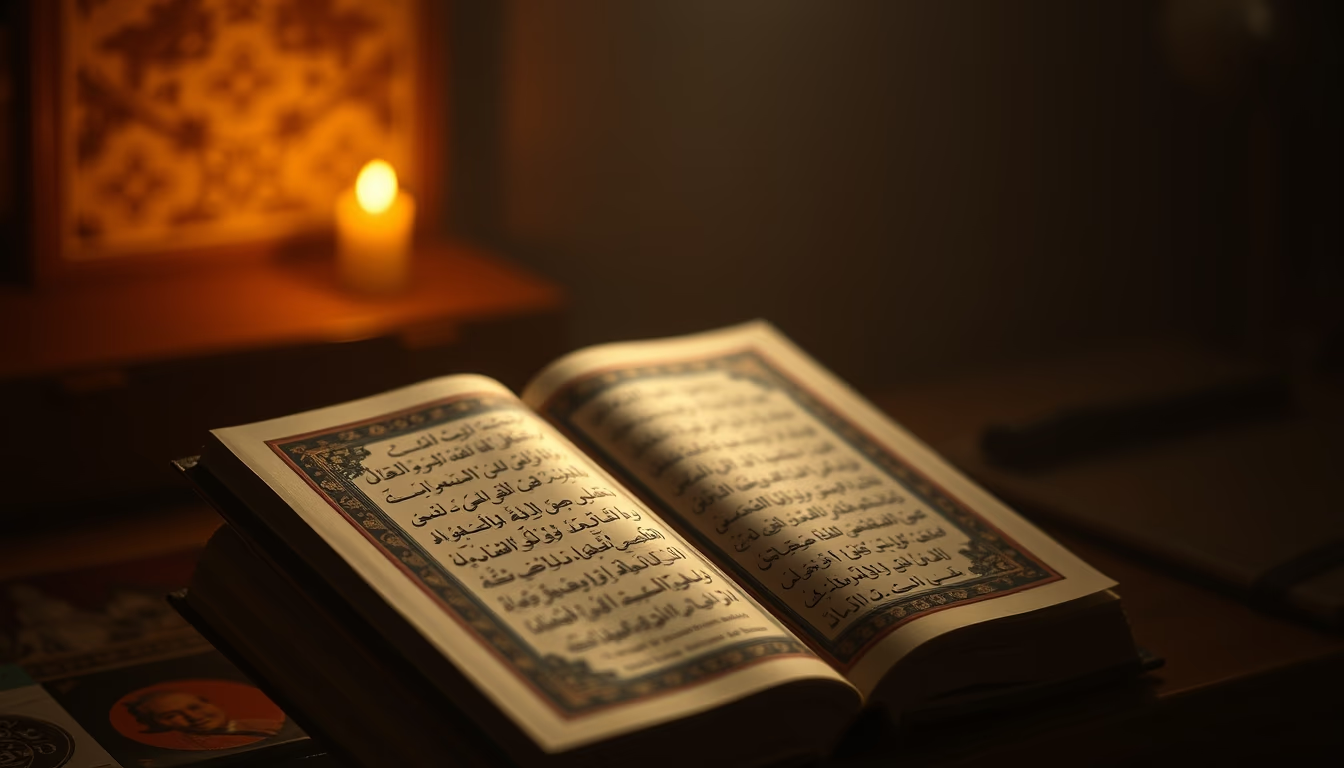
Quran illuminated golden
1344×768 · AVIF · CC BY 4.0
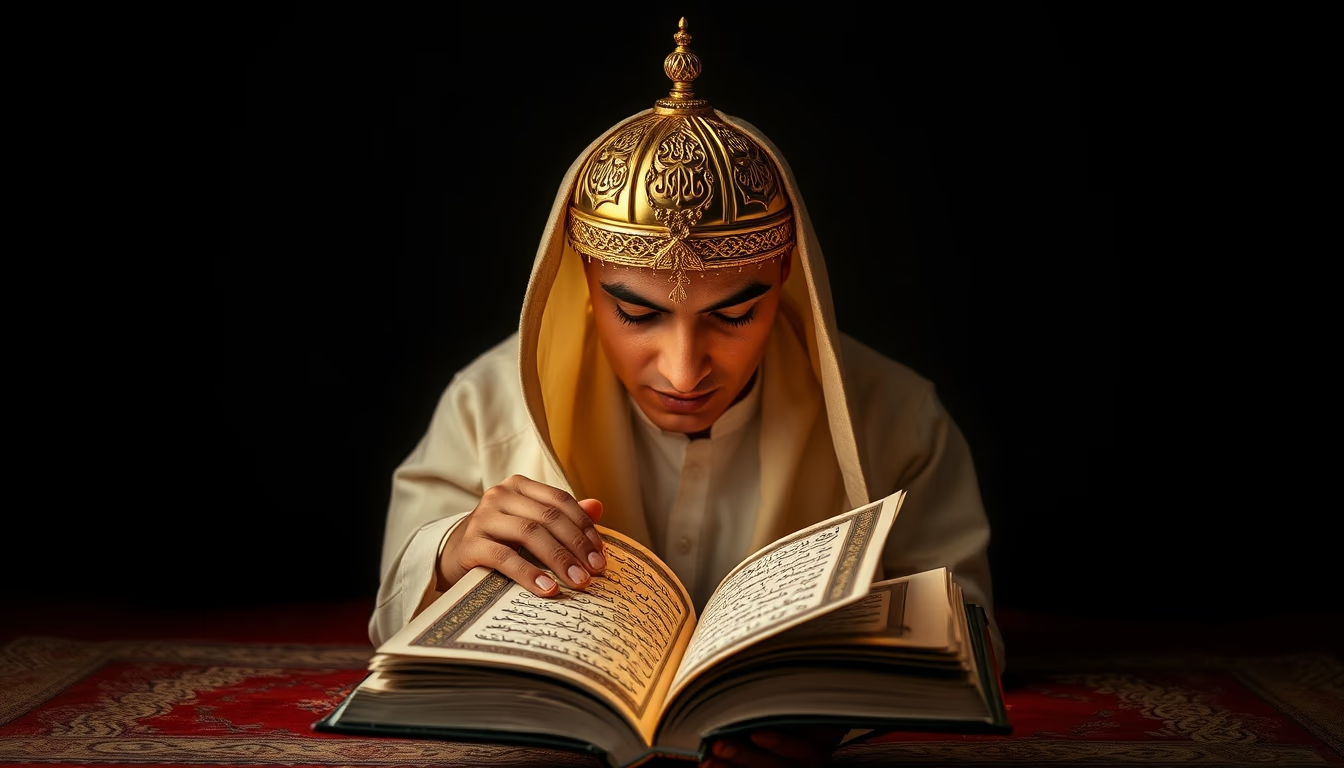
The gold-illuminated Quran represents centuries of Islamic calligraphic tradition, blending sacred art and religious devotion in ornate manuscripts.
About this subject
The Quran, Islam's holy book, is often adorned with golden illuminations that enhance its beauty and reverence. This practice dates back to the early Islamic period, when calligraphers and artists developed techniques to ornament copies of the sacred text. Gold, symbolizing divine light, adds a luxurious and timeless quality to the pages. Illuminations include arabesques, geometric patterns, and floral motifs, typically around sura titles and margins. Every detail is handcrafted by specialists following strict rules of proportion and harmony.
In the Islamic world, gold-illuminated Qurans are associated with mosques, libraries, and private collections. Countries like Iran, Turkey, and Egypt have centuries-old traditions of producing these works, combining Kufic or Naskh calligraphy with natural pigments such as lapis lazuli and gold leaf. The oldest known manuscript with gold illuminations dates to the 9th century during the Abbasid Caliphate. The technique spread across the Middle East, North Africa, and Central Asia, also influencing medieval European art.
Beyond aesthetics, these illuminations serve a pedagogical and spiritual purpose. The beauty of writing and ornamentation is believed to bring the faithful closer to the divine message, aiding meditation. Today, historical copies are preserved in museums such as the Museum of Islamic Art in Cairo and the Topkapi Palace in Istanbul. Modern reproductions keep this art alive, with exhibitions dedicated to Islamic calligraphy and illumination.
Frequently Asked Questions
What is the significance of gold in Quran illuminations?
Gold symbolizes divine light and God's transcendence in Islam. In illuminations, it also represents wealth and reverence for the sacred text, highlighting important passages like God's names and surahs.
Are gold-illuminated Qurans still produced today?
Yes, artisans in Iran, Turkey, and Egypt continue to hand-produce illuminated copies using traditional techniques. High-quality facsimile editions are also available for collectors and institutions.
Where can I see an original gold-illuminated Quran?
Historical copies are housed in museums such as the Museum of Islamic Art in Cairo, Topkapi Palace in Istanbul, and the British Museum in London. Some university libraries and mosques also display rare copies.
Direct URL
https://pub-c7d6a6ea828543ac903a74a341ccb2e1.r2.dev/imagens/quran-illuminated-golden-studio-editorial-portrait-fresh7.avifHow to credit
Include a visible link back to UtilizAí. Copy one of the snippets below:
<a href="https://xn--utiliza-eza.com/en/midia/imagens/quran-illuminated-golden-studio-editorial-portrait-fresh7">Quran illuminated golden</a> by <a href="https://xn--utiliza-eza.com">UtilizAí</a>, licensed under <a href="https://creativecommons.org/licenses/by/4.0/">CC BY 4.0</a>.
[Quran illuminated golden](https://xn--utiliza-eza.com/en/midia/imagens/quran-illuminated-golden-studio-editorial-portrait-fresh7) by [UtilizAí](https://xn--utiliza-eza.com), CC BY 4.0
License: CC-BY-4.0