Quran illuminated golden
1344×768 · AVIF · CC BY 4.0
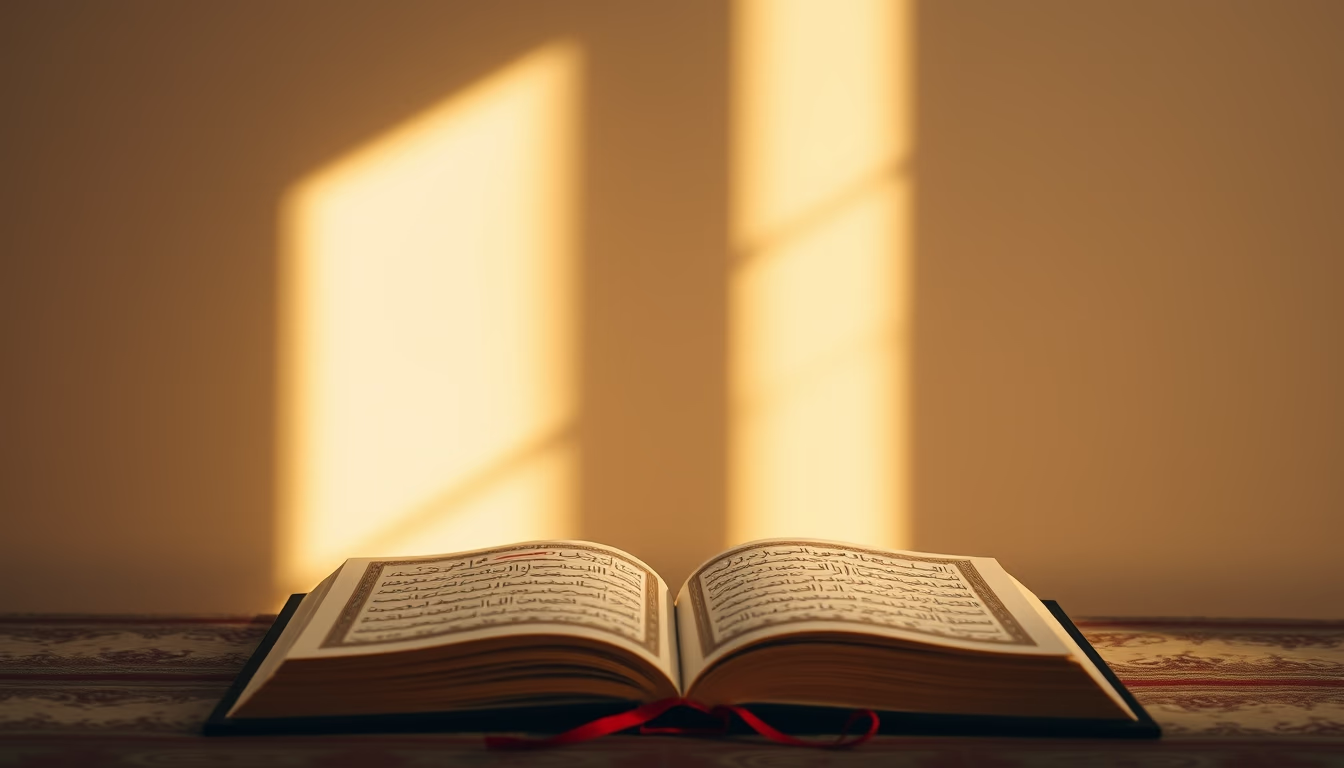
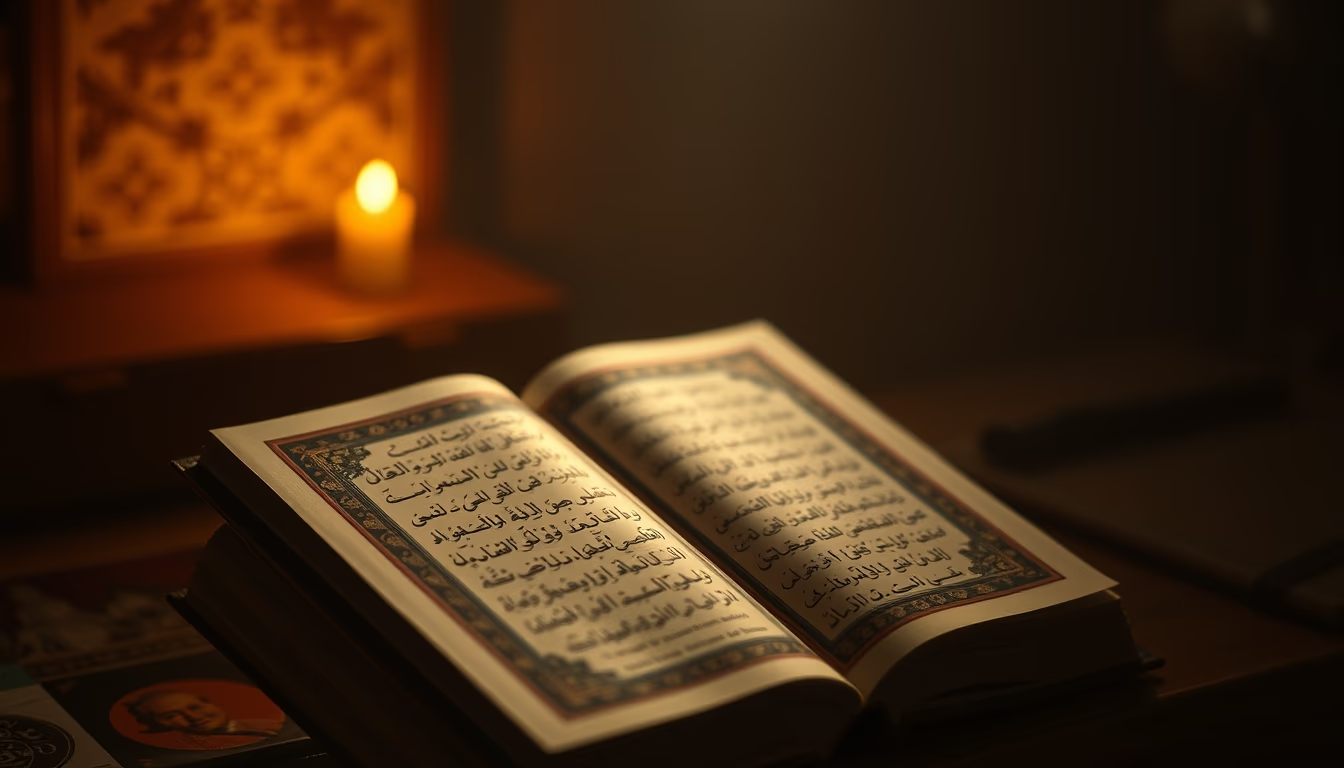
The illuminated Quran with gold represents a millennial tradition of Islamic art, combining calligraphy and ornamentation to exalt the divine word.
About this subject
The Quran illuminated with gold is one of the most refined expressions of Islamic art. Since the early centuries of Islam, the production of handwritten copies of the holy book has been accompanied by a rich tradition of illumination, in which artisans applied gold leaf, natural pigments, and geometric or floral designs to embellish the pages. This practice not only enhanced the text but also reflected reverence for the word of Allah, as Arabic calligraphy was considered the highest form of art.
Gold illuminations were especially common in Qurans intended for mosques, royal libraries, or as gifts between rulers. The use of gold was not merely decorative: it symbolized divine light and the purity of the content. Techniques such as burnished gold highlighting and the application of pigments like lapis lazuli and cinnabar created vibrant contrasts. These works were often produced in specialized workshops, such as those of the Ottoman, Safavid, and Mughal empires, each with distinct regional styles.
In the contemporary world, these illuminated Qurans are preserved in museums and private collections, studied as important historical and artistic documents. Current production uses similar techniques, keeping the tradition alive. The image in question, with its minimalist composition, highlights the timeless beauty of calligraphy and gilding, inviting contemplation of the spiritual and aesthetic richness of Islam.
Frequently Asked Questions
What does the gold illumination in the Quran represent?
The gold illumination symbolizes divine light and the holiness of the text. Gold was used to highlight important passages, such as the names of Allah and Muhammad, and to decorate the margins, creating a work of art that reflects reverence for the revealed word.
Which empires were famous for producing illuminated Qurans?
The Ottoman, Safavid, and Mughal empires were major centers for producing illuminated Qurans. Each developed distinct styles: the Ottomans favored arabesques and flowers, the Safavids used vibrant colors and Persian motifs, and the Mughals incorporated elements of Indian art.
How were illuminations made before the invention of printing?
Artisans used fine brushes and natural paints made from minerals and plants. Gold was beaten into thin leaves and applied with an adhesive. The process was time-consuming and required great skill, making each copy unique and valuable.
Direct URL
https://pub-c7d6a6ea828543ac903a74a341ccb2e1.r2.dev/imagens/quran-illuminated-golden-minimalist-composition-fresh10.avifHow to credit
Include a visible link back to UtilizAí. Copy one of the snippets below:
<a href="https://xn--utiliza-eza.com/en/midia/imagens/quran-illuminated-golden-minimalist-composition-fresh10">Quran illuminated golden</a> by <a href="https://xn--utiliza-eza.com">UtilizAí</a>, licensed under <a href="https://creativecommons.org/licenses/by/4.0/">CC BY 4.0</a>.
[Quran illuminated golden](https://xn--utiliza-eza.com/en/midia/imagens/quran-illuminated-golden-minimalist-composition-fresh10) by [UtilizAí](https://xn--utiliza-eza.com), CC BY 4.0
License: CC-BY-4.0