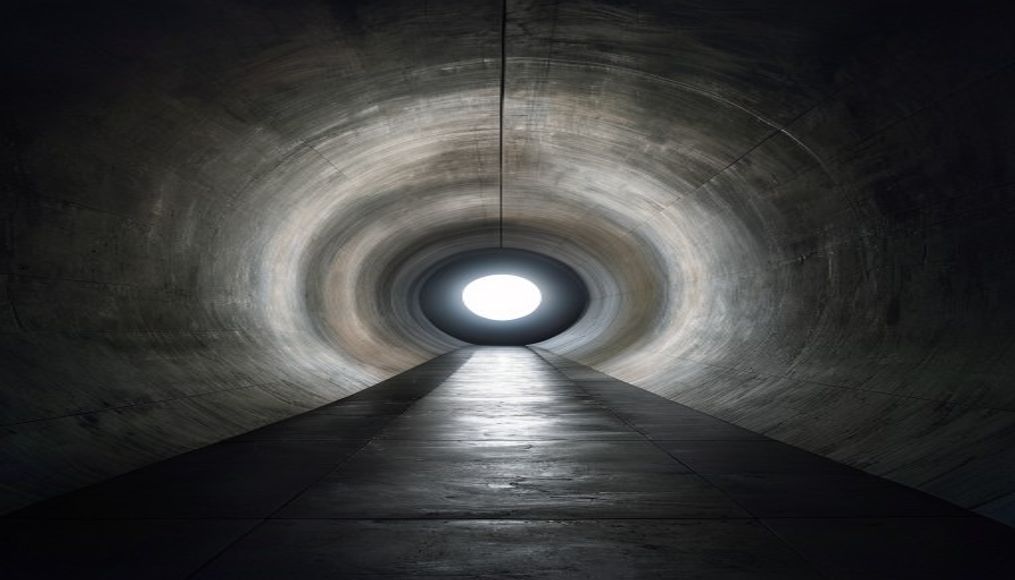
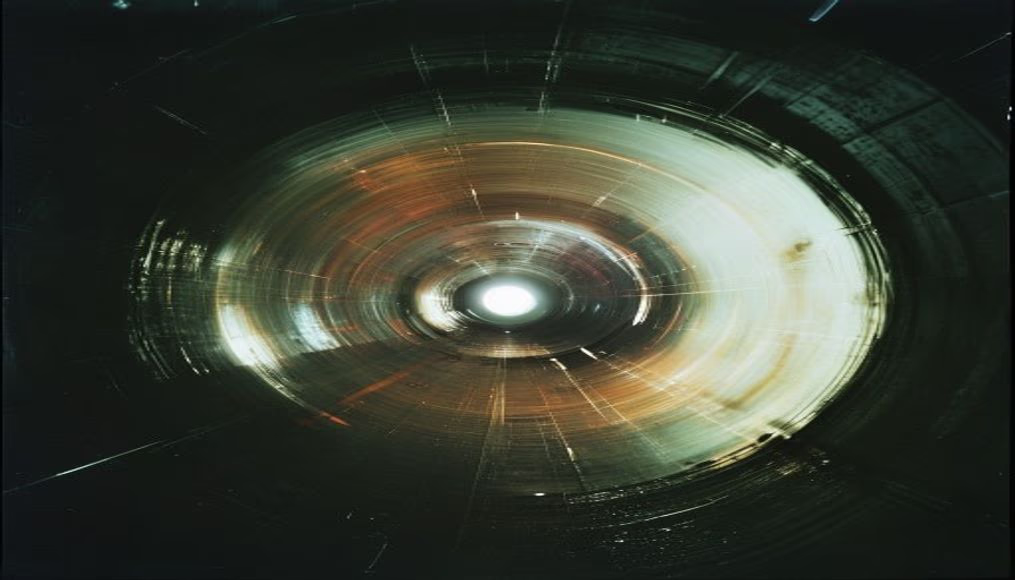
Protoplanetary disk forming
1344×768 · AVIF · CC BY 4.0
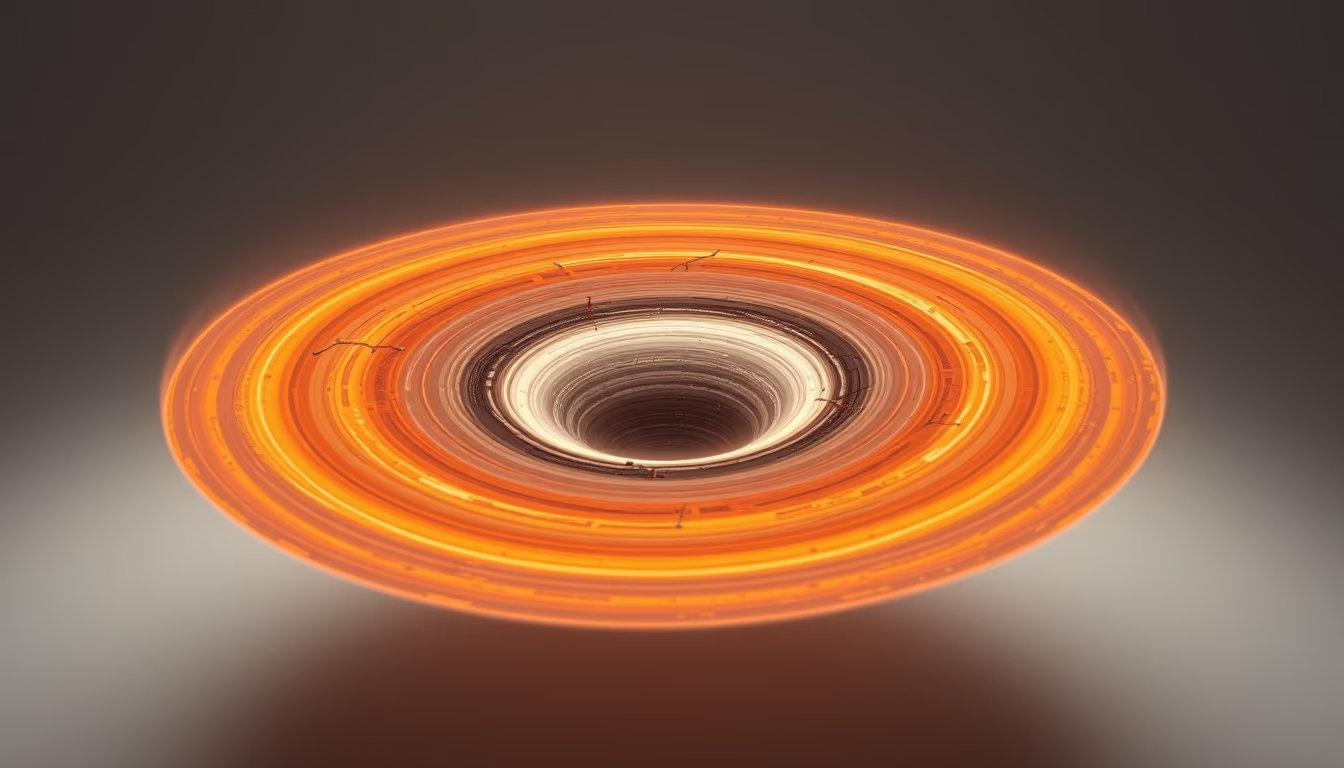
Protoplanetary disks are structures of gas and dust around young stars, where planets like Earth form.
About this subject
Protoplanetary disks are rotating clouds of gas and dust that surround newly formed stars. They are the cradles of planetary systems, providing the raw material for the formation of planets, moons, asteroids, and comets. These structures form during the collapse of a giant molecular cloud, where most material falls toward the center to form the star, while the rest flattens into a disk due to conservation of angular momentum.
The study of these disks has advanced significantly with observatories like the Hubble Space Telescope and the Atacama Large Millimeter/submillimeter Array (ALMA). ALMA, in particular, has enabled high-resolution images revealing rings and gaps in disks, evidence of forming planets. For example, the image of the disk around the star HL Tauri shows concentric structures indicating the presence of embryonic planets.
The lifespan of a protoplanetary disk is typically a few million years. During this time, dust particles collide and aggregate, forming planetesimals and eventually protoplanets. The process is influenced by factors such as disk density, temperature, and radiation from the central star. More massive disks tend to form larger planets, while less dense disks may produce systems like our own Solar System.
Interestingly, the chemical composition of disks varies with distance from the star. Inner regions are hot and rich in refractory elements, while outer areas are cold and contain ices of water, methane, and ammonia. This chemical differentiation is crucial for planetary diversity, explaining why rocky planets form near the star and gas giants farther out.
Frequently Asked Questions
What is a protoplanetary disk?
It is a rotating disk of gas and dust around a young star, where planets and other celestial bodies form.
How long does a protoplanetary disk last?
Typically a few million years. During this time, the disk material aggregates to form planetesimals and eventually planets.
How do astronomers observe protoplanetary disks?
Using telescopes like ALMA and Hubble, which capture emissions from dust and gas, revealing structures such as rings and gaps that indicate forming planets.
Direct URL
https://pub-c7d6a6ea828543ac903a74a341ccb2e1.r2.dev/imagens/protoplanetary-disk-forming-studio-editorial-portrait-p3.avifHow to credit
Include a visible link back to UtilizAí. Copy one of the snippets below:
<a href="https://xn--utiliza-eza.com/en/midia/imagens/protoplanetary-disk-forming-studio-editorial-portrait-p3">Protoplanetary disk forming</a> by <a href="https://xn--utiliza-eza.com">UtilizAí</a>, licensed under <a href="https://creativecommons.org/licenses/by/4.0/">CC BY 4.0</a>.
[Protoplanetary disk forming](https://xn--utiliza-eza.com/en/midia/imagens/protoplanetary-disk-forming-studio-editorial-portrait-p3) by [UtilizAí](https://xn--utiliza-eza.com), CC BY 4.0
License: CC-BY-4.0