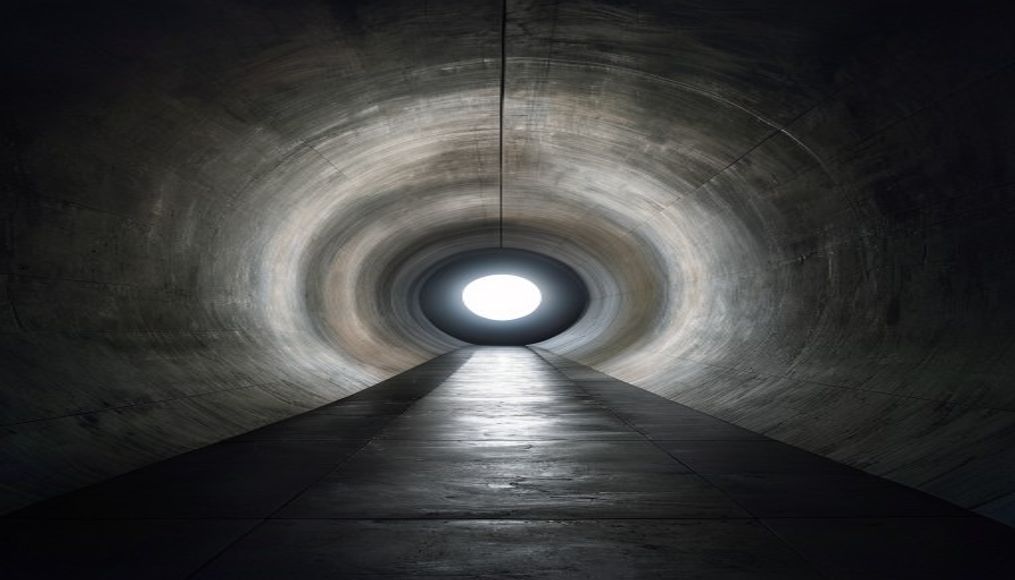
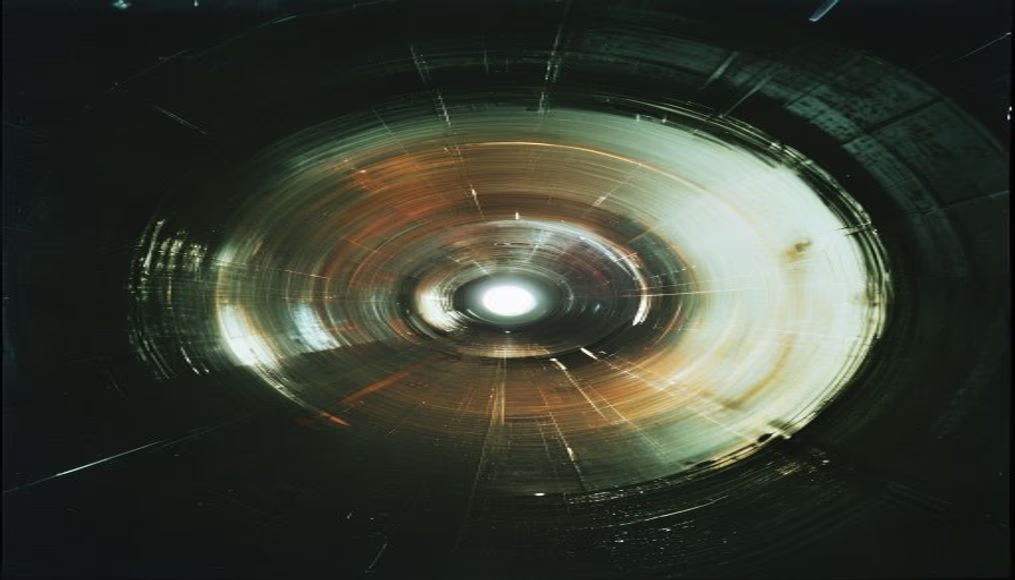
Protoplanetary disk forming
1344×768 · AVIF · CC BY 4.0

A protoplanetary disk is a rotating cloud of dust and gas around a young star, where planets form. These structures are common in star-forming regions.
About this subject
A protoplanetary disk, also called a circumstellar disk, is a structure of gas and dust orbiting a newly formed star. It is the birthplace of planetary systems and can last for a few million years before dissipating. The material in the disk gradually clumps together, forming planetesimals and later rocky and gaseous planets. Notable examples include the disk around the star HL Tauri, captured by the ALMA telescope, which revealed rings and gaps indicating planet formation.
Protoplanetary disks are composed mainly of molecular hydrogen and helium, with traces of interstellar dust containing silicates, ice, and organic compounds. Dust is responsible for opacity and emission in infrared and submillimeter wavelengths. Temperatures range from hundreds of kelvin in the inner regions to tens of kelvin in the outer parts, where water ice and other volatiles can condense.
The observation of these disks has revolutionized modern astronomy. The Hubble Space Telescope and ALMA have provided detailed images of disks at different evolutionary stages. Studies indicate that planet formation begins quickly, with dust grains colliding and growing. Gaps in disks, such as those observed in HL Tauri, are direct evidence of forming planets sweeping their orbits.
About 30% of young stars in the Milky Way have detectable protoplanetary disks. The average lifetime is 2 to 3 million years, but varies depending on stellar mass and environment. Understanding these disks is essential to explain the diversity of planetary systems, including our own Solar System.
Frequently Asked Questions
How do planets form from a protoplanetary disk?
Planets form through the clumping of dust and gas. Dust grains collide and grow, forming planetesimals up to a few kilometers. These bodies aggregate by gravity, forming protoplanets. In gas-rich disks, giant planets can accumulate large atmospheres.
What is the typical size of a protoplanetary disk?
Protoplanetary disks range from tens to hundreds of astronomical units (AU) in radius. For example, the disk around HL Tauri extends about 100 AU. The early Solar System likely had a disk with a radius of 50 to 100 AU.
How long do protoplanetary disks last?
The average lifetime of a protoplanetary disk is 2 to 3 million years. After that, gas is dissipated by stellar radiation and winds. Remaining dust may form a debris disk, like the Asteroid Belt in the Solar System.
Direct URL
https://pub-c7d6a6ea828543ac903a74a341ccb2e1.r2.dev/imagens/protoplanetary-disk-forming-macro-closeup-p5.avifHow to credit
Include a visible link back to UtilizAí. Copy one of the snippets below:
<a href="https://xn--utiliza-eza.com/en/midia/imagens/protoplanetary-disk-forming-macro-closeup-p5">Protoplanetary disk forming</a> by <a href="https://xn--utiliza-eza.com">UtilizAí</a>, licensed under <a href="https://creativecommons.org/licenses/by/4.0/">CC BY 4.0</a>.
[Protoplanetary disk forming](https://xn--utiliza-eza.com/en/midia/imagens/protoplanetary-disk-forming-macro-closeup-p5) by [UtilizAí](https://xn--utiliza-eza.com), CC BY 4.0
License: CC-BY-4.0