Pottery shards ancient
1344×768 · AVIF · CC BY 4.0
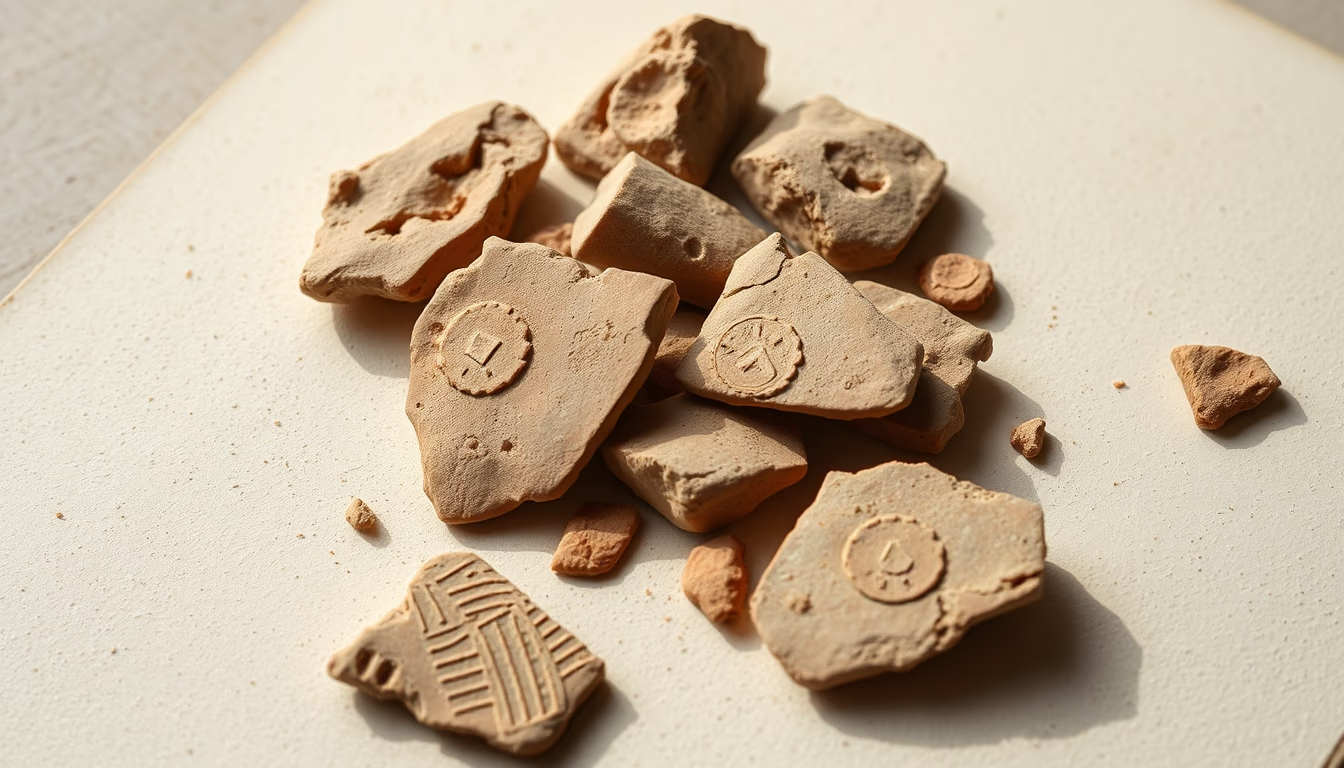
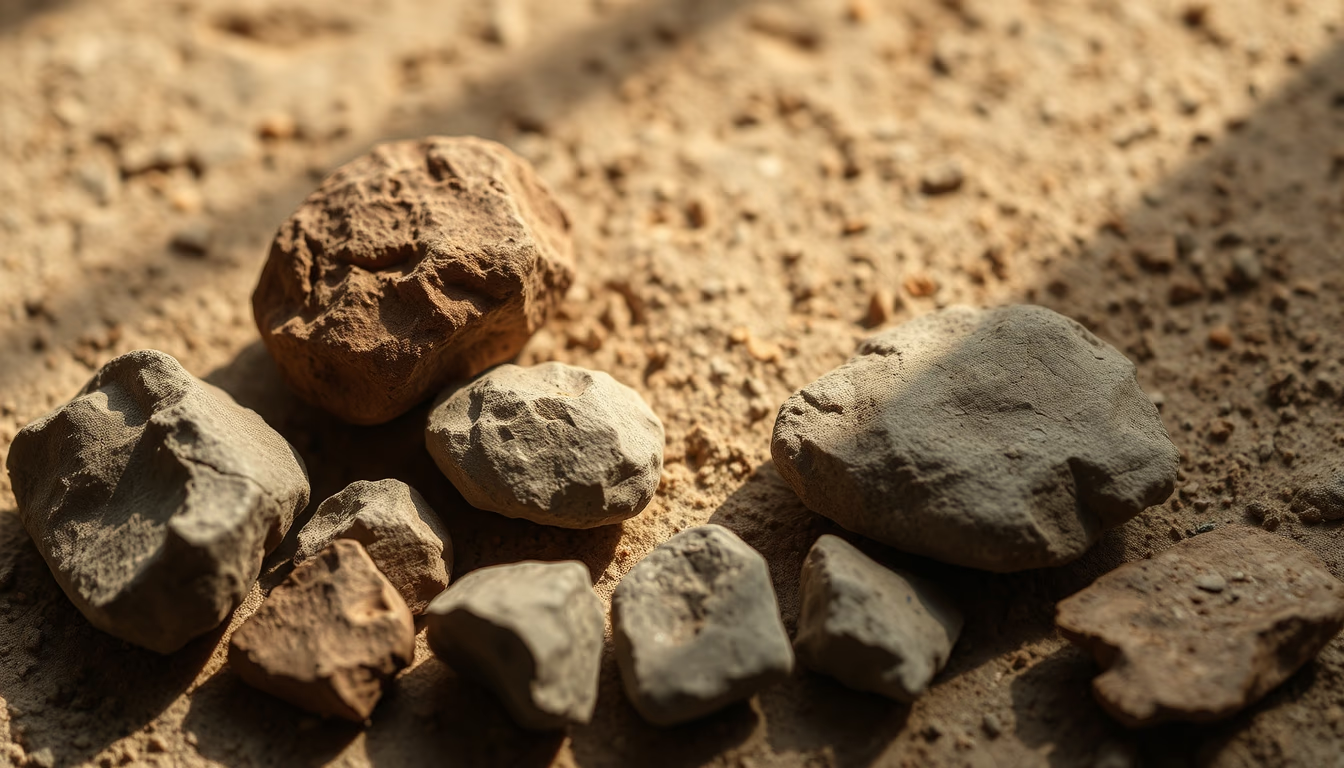
Ancient pottery shards, known as sherds, are valuable sources for archaeologists: they reveal dating, trade routes, and daily habits of past civilizations.
About this subject
Pottery sherds are the most common finds in archaeological sites worldwide. Since the Neolithic period, fired clay vessels marked a technological revolution, enabling food storage, cooking, and liquid transport. Because they are durable and nearly indestructible, fragments survive millennia while organic materials decay. Each piece can tell a story: clay composition indicates geographic origin, while designs and shapes reveal cultural influences and historical periods.
One key technique for analyzing sherds is thermoluminescence dating, which measures time since the last firing. Combined with stylistic analysis and stratigraphy, it builds precise chronologies. Petrographic studies identify minerals in the ceramic paste, revealing trade routes, for example, Greek amphorae found in Gaul prove wine commerce in the ancient Mediterranean. In Brazil, Tupi-Guarani pottery sherds help map pre-colonial migrations.
Fragment classification follows standardized systems: rims, bases, and walls are categorized by curvature and thickness. Manufacturing marks like fingerprints or fabric impressions provide clues about artisan techniques. Furthermore, organic residues absorbed by porous walls can be chemically extracted, identifying foods such as cereals, oils, or fermented beverages. This approach, called biomolecular archaeology, turns simple sherds into time capsules.
Interestingly, not all sherds were trash. In ancient Rome, amphora fragments were reused as building material in opus signinum (Roman concrete). Today, museums and universities maintain reference collections, and amateur archaeologists contribute discoveries through citizen science programs. Every fragment, no matter how small, is a piece in the puzzle of human history.
Frequently Asked Questions
How do archaeologists date pottery fragments?
They primarily use thermoluminescence, which measures accumulated radiation since firing. They also rely on stratigraphy and comparative stylistic analysis with pieces of known date.
What do pottery sherds reveal about ancient trade?
The chemical and mineralogical composition of clay can be traced to specific sources, proving trade routes. For example, Greek amphorae found in France indicate wine trade across the Mediterranean.
Can food residues be identified on pottery sherds?
Yes, through organic residue analysis. Techniques like gas chromatography extract food molecules absorbed in the porous walls, revealing ancient diets such as cereals, oils, and fermented beverages.
Direct URL
https://pub-c7d6a6ea828543ac903a74a341ccb2e1.r2.dev/imagens/pottery-shards-ancient-magazine-editorial-p0.avifHow to credit
Include a visible link back to UtilizAí. Copy one of the snippets below:
<a href="https://xn--utiliza-eza.com/en/midia/imagens/pottery-shards-ancient-magazine-editorial-p0">Pottery shards ancient</a> by <a href="https://xn--utiliza-eza.com">UtilizAí</a>, licensed under <a href="https://creativecommons.org/licenses/by/4.0/">CC BY 4.0</a>.
[Pottery shards ancient](https://xn--utiliza-eza.com/en/midia/imagens/pottery-shards-ancient-magazine-editorial-p0) by [UtilizAí](https://xn--utiliza-eza.com), CC BY 4.0
License: CC-BY-4.0