Pottery glaze fired
1344×768 · AVIF · CC BY 4.0
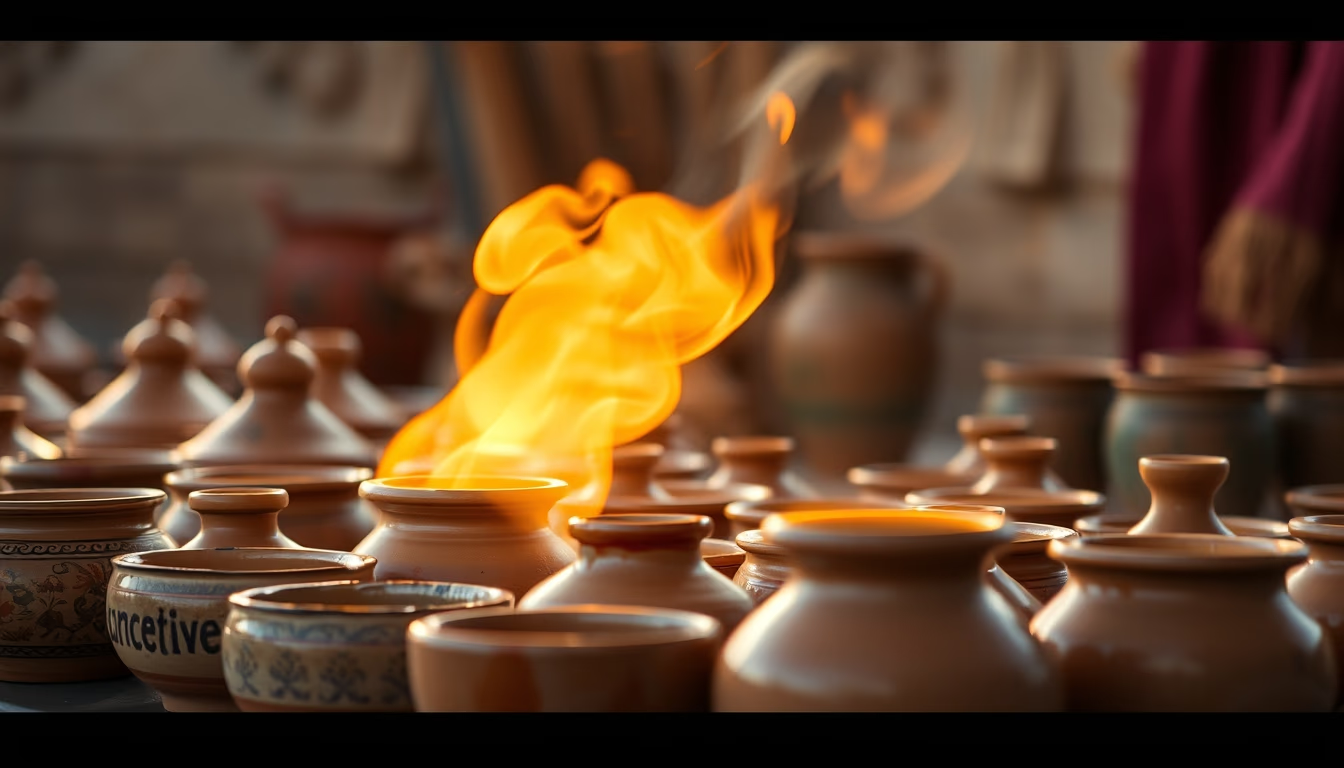
The process of firing pottery glaze transforms clay into vitrified pieces, combining art, chemistry, and ancient traditions around the world.
About this subject
Firing pottery glaze is a crucial step in the production of ceramic and porcelain pieces. During firing, which takes place in kilns reaching temperatures between 900°C and 1300°C, the minerals in the glaze melt and form a vitreous layer over the clay. This layer not only adds color and shine but also makes the piece waterproof and more durable. Different glazing techniques, such as dipping, brushing, and spraying, affect the final result.
Historically, glazed pottery emerged in the Middle East around the 9th century BC, but it was in China that the technique reached its peak with the porcelains of the Tang and Ming dynasties. Today, each region has developed its own styles: Japanese raku favors unpredictable effects; Talavera pottery in Mexico uses tin-based glazes; and the black clay of Bijagós in Guinea-Bissau is fired in open bonfires without glaze, achieving shine through polishing. Firing can occur in oxidizing (with abundant oxygen) or reducing (with scarce oxygen) atmospheres, altering the colors of metallic oxides, such as copper giving green or red tones.
For travelers and photographers, visiting ceramic centers is an opportunity to document a craft that dialogues with earth and fire. Cities like Oaxaca (Mexico), Faenza (Italy), Seto (Japan), and Cunha (Brazil) offer workshops where glaze firing takes place in wood, gas, or electric kilns. Observing the incandescent glow of pieces emerging from the kiln captures the instant transformation that defines this ancient art.
Frequently Asked Questions
What is the ideal temperature for firing pottery glaze?
The temperature varies by clay and glaze type, typically between 900°C (stoneware) and 1300°C (porcelain). Low-fire glazes mature at 950-1100°C, while high-fire ranges from 1200°C to 1300°C.
What are the main types of kilns for glaze firing?
Common kilns are electric (easy to control), gas (for reduction atmospheres), and wood (producing ash and natural effects). Raku kilns are small and heat up quickly.
Why does glaze sometimes crack or form bubbles?
Crazing occurs from thermal expansion mismatch between glaze and clay. Bubbles arise from trapped gases during fast firing or organic matter in the clay. Adjusting composition and firing cycles resolves these issues.
Direct URL
https://pub-c7d6a6ea828543ac903a74a341ccb2e1.r2.dev/imagens/pottery-glaze-fired-travel-photography-p0.avifHow to credit
Include a visible link back to UtilizAí. Copy one of the snippets below:
<a href="https://xn--utiliza-eza.com/en/midia/imagens/pottery-glaze-fired-travel-photography-p0">Pottery glaze fired</a> by <a href="https://xn--utiliza-eza.com">UtilizAí</a>, licensed under <a href="https://creativecommons.org/licenses/by/4.0/">CC BY 4.0</a>.
[Pottery glaze fired](https://xn--utiliza-eza.com/en/midia/imagens/pottery-glaze-fired-travel-photography-p0) by [UtilizAí](https://xn--utiliza-eza.com), CC BY 4.0
License: CC-BY-4.0