Pottery glaze fired
1344×768 · AVIF · CC BY 4.0
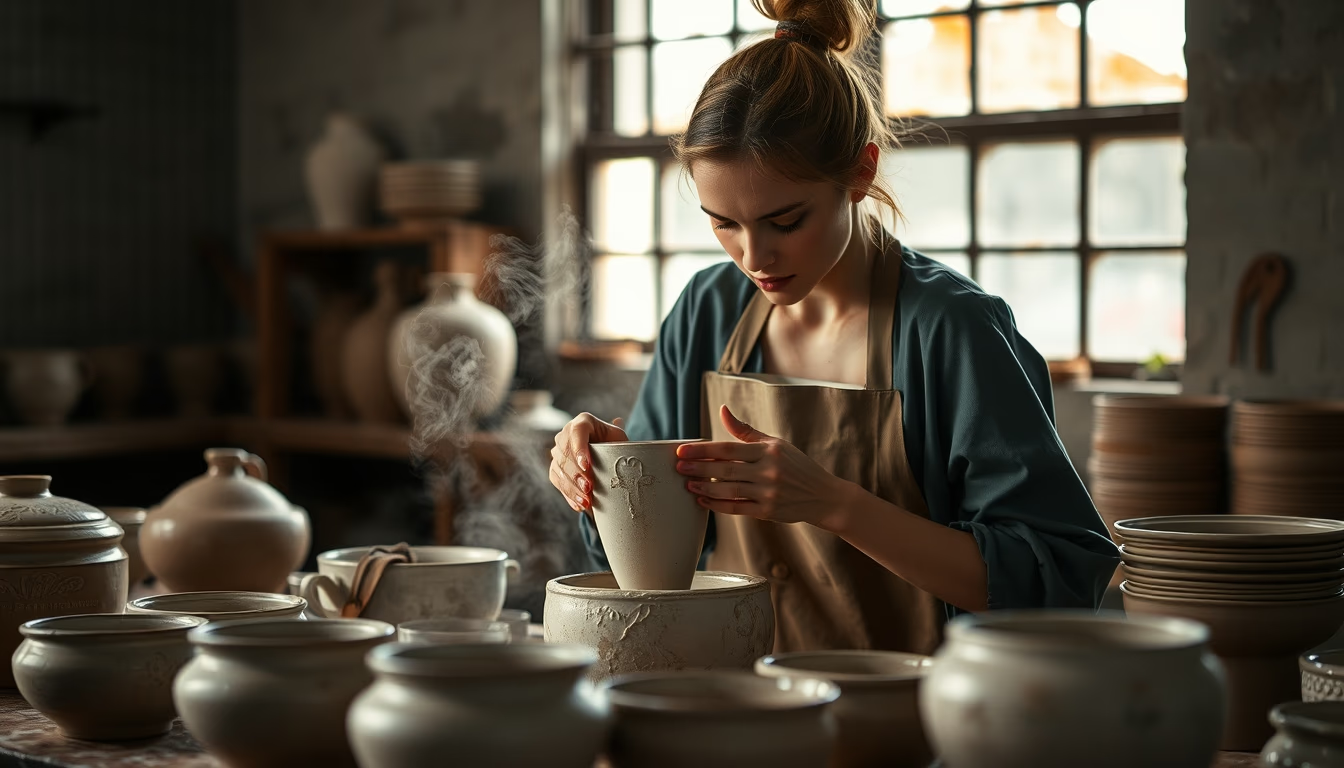
Discover how pottery glaze firing transforms clay into works of art, inspiring high-fashion collections with its unique textures and colors.
About this subject
Pottery glaze firing is the process where clay pieces receive a vitreous coating, resulting in varied colors, textures, and gloss. Glaze is a suspension of ground minerals that, when heated to high temperatures (between 900°C and 1300°C), melts to form a smooth, durable surface. The effects depend on chemical composition, temperature, and kiln atmosphere (oxidation or reduction). For instance, copper oxide can yield greens or blood reds, while iron oxide produces yellows to deep blacks. This technique is ancient, with records from China’s Shang dynasty (1600 BCE) and medieval Middle East, but continues to evolve with contemporary potters.
High fashion often draws inspiration from the organic patterns and glassy surfaces of glazed ceramics. Designers like Iris van Herpen and Rick Owens have incorporated crackled textures, simulated crystals, and metallic colors into their collections, reminiscent of chemical reactions inside the kiln. The raku technique, with its rapid firing and post-fire reduction, creates irregular surfaces and cracks valued as aesthetic statements. This fusion of craft and fashion reflects a growing trend of valuing manual processes and unpredictable materials.
In Brazil, glazed ceramics are prominent in folk culture, such as the pottery of Mariana and Ouro Preto (MG) and Marajoara ceramics from Pará. Artists like Lina Bo Bardi and Athos Bulcão integrated glazed tiles into modern architecture. In fashion, Brazilian designers explore ceramic aesthetics in embroidery and prints, like Ronaldo Fraga’s collections inspired by baroque Minas Gerais or Karim Rashid’s pieces resembling molten glaze. The connection between controlled firing and creative expression makes ceramics a fertile ground for innovation in both objects and clothing.
Frequently Asked Questions
What determines the color of pottery glaze after firing?
The glaze color is mainly determined by metallic oxides in its composition (such as copper, iron, cobalt) and by firing conditions, including temperature and kiln atmosphere (oxidation or reduction).
How does the raku technique differ from traditional glaze firing?
Raku involves removing the glowing piece from the kiln and subjecting it to combustible materials or water, causing thermal shock and a reducing atmosphere. This yields crackled, smoky surfaces and unique metallic effects.
Why is glazed ceramics used in high fashion?
Glazed ceramics provide unpredictable textures, colors, and patterns that inspire designers to create pieces with vitreous, crackled, or metallic finishes, while also valuing the exclusivity of handmade craftsmanship.
Direct URL
https://pub-c7d6a6ea828543ac903a74a341ccb2e1.r2.dev/imagens/pottery-glaze-fired-high-fashion-editorial-p2.avifHow to credit
Include a visible link back to UtilizAí. Copy one of the snippets below:
<a href="https://xn--utiliza-eza.com/en/midia/imagens/pottery-glaze-fired-high-fashion-editorial-p2">Pottery glaze fired</a> by <a href="https://xn--utiliza-eza.com">UtilizAí</a>, licensed under <a href="https://creativecommons.org/licenses/by/4.0/">CC BY 4.0</a>.
[Pottery glaze fired](https://xn--utiliza-eza.com/en/midia/imagens/pottery-glaze-fired-high-fashion-editorial-p2) by [UtilizAí](https://xn--utiliza-eza.com), CC BY 4.0
License: CC-BY-4.0