Pompeii ruins fresco
1344×768 · AVIF · CC BY 4.0
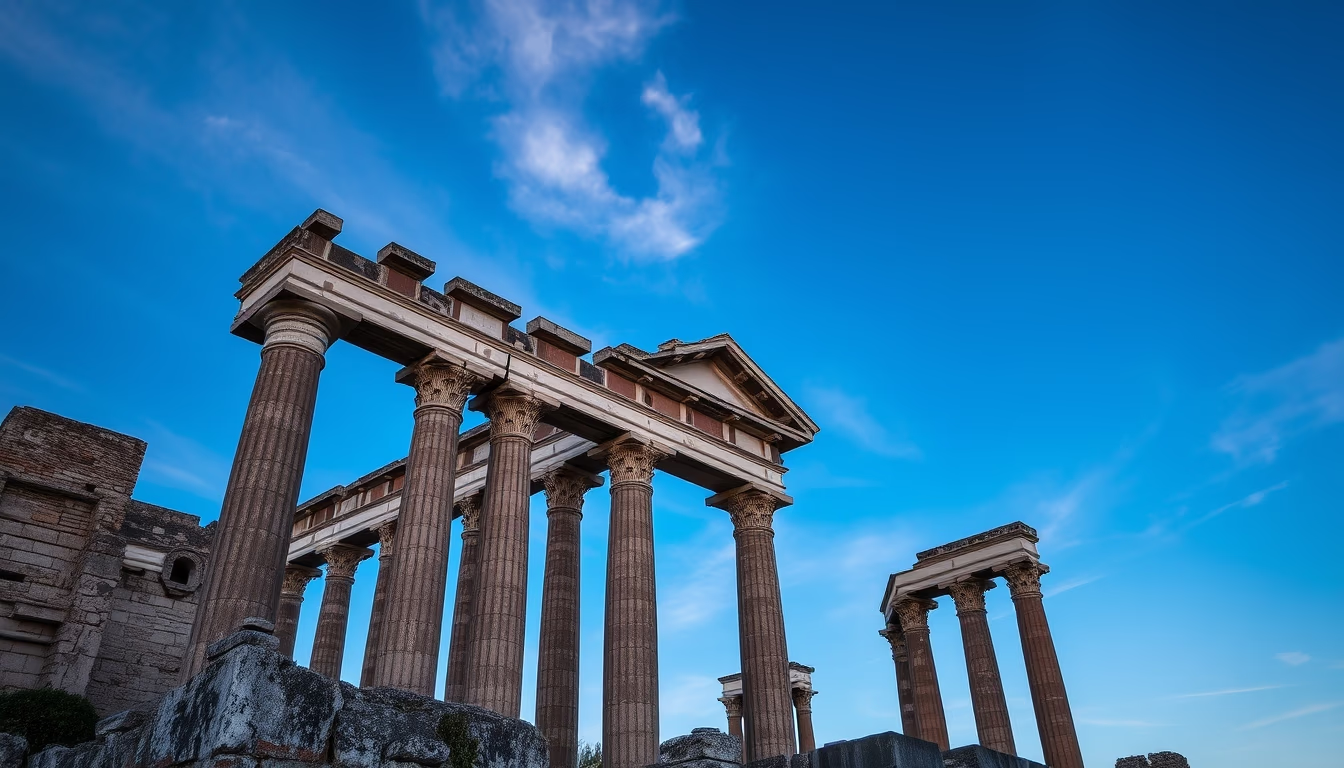
Pompeian fresco reveals details of daily life in ancient Rome before the eruption of Vesuvius in 79 AD.
About this subject
The frescoes of Pompeii are exceptional testimonies of Roman art and culture from the 1st century AD. Buried under volcanic ash after the eruption of Mount Vesuvius in 79 AD, these murals preserved vibrant colors and scenes of daily life, mythology, and nature. Most frescoes were found in private homes, temples, and public buildings, reflecting the decorative taste of the Pompeian elite. They were painted using the fresco technique, where pigments were applied on wet plaster, ensuring durability. Colors like Pompeian red, Egyptian blue, and yellow ochre were sourced from minerals and earth.
The fresco depicted here, like many others, likely adorned the atrium or triclinium of a domus. Mythological scenes, such as Venus and Mars, or still lifes with food symbolized prosperity and erudition. Archaeological discoveries in Pompeii, initiated in the 18th century, revolutionized knowledge of Roman life. To this day, new excavations reveal intact frescoes, such as those found in the House of Menander or the Villa of the Mysteries. Exceptional preservation is due to rapid ash coverage that blocked oxygen and light.
Pompeii has been a UNESCO World Heritage site since 1997 and attracts millions of visitors. The frescoes are fragile; many were moved to the National Archaeological Museum of Naples for protection. Plaster casts help recreate the original setting. The Roman fresco technique influenced Renaissance artists and continues to be studied by art historians. Each new fresco discovery adds layers of understanding about the beliefs, habits, and aesthetics of ancient Romans.
Frequently Asked Questions
How were the frescoes of Pompeii preserved for almost two millennia?
The eruption of Vesuvius in 79 AD covered Pompeii with volcanic ash and pumice, sealing the frescoes from oxygen and moisture. This protective layer prevented natural decay, keeping the colors vivid until modern excavations.
What is the difference between a Roman fresco and an oil painting?
In fresco, pigments are applied on wet plaster, chemically bonding to the wall. Oil painting uses vegetable oils as a binder on a dry surface, allowing greater flexibility and corrections.
Where can I see the original Pompeii frescoes today?
Many frescoes have been moved to the National Archaeological Museum of Naples in Italy. At the Pompeii archaeological site, plaster casts and some originals protected by glass can be seen in situ.
Direct URL
https://pub-c7d6a6ea828543ac903a74a341ccb2e1.r2.dev/imagens/pompeii-ruins-fresco-long-exposure-p5.avifHow to credit
Include a visible link back to UtilizAí. Copy one of the snippets below:
<a href="https://xn--utiliza-eza.com/en/midia/imagens/pompeii-ruins-fresco-long-exposure-p5">Pompeii ruins fresco</a> by <a href="https://xn--utiliza-eza.com">UtilizAí</a>, licensed under <a href="https://creativecommons.org/licenses/by/4.0/">CC BY 4.0</a>.
[Pompeii ruins fresco](https://xn--utiliza-eza.com/en/midia/imagens/pompeii-ruins-fresco-long-exposure-p5) by [UtilizAí](https://xn--utiliza-eza.com), CC BY 4.0
License: CC-BY-4.0