Plane wood shaving
1344×768 · AVIF · CC BY 4.0
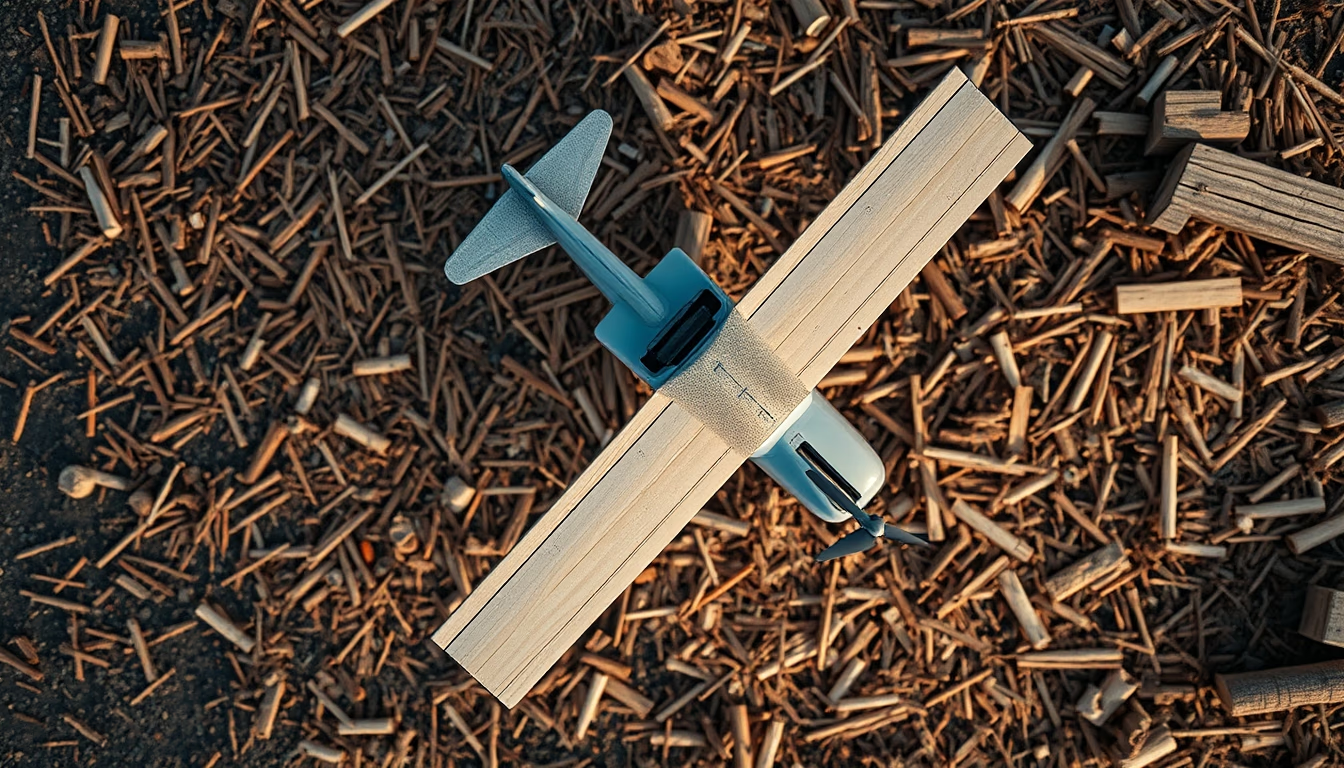
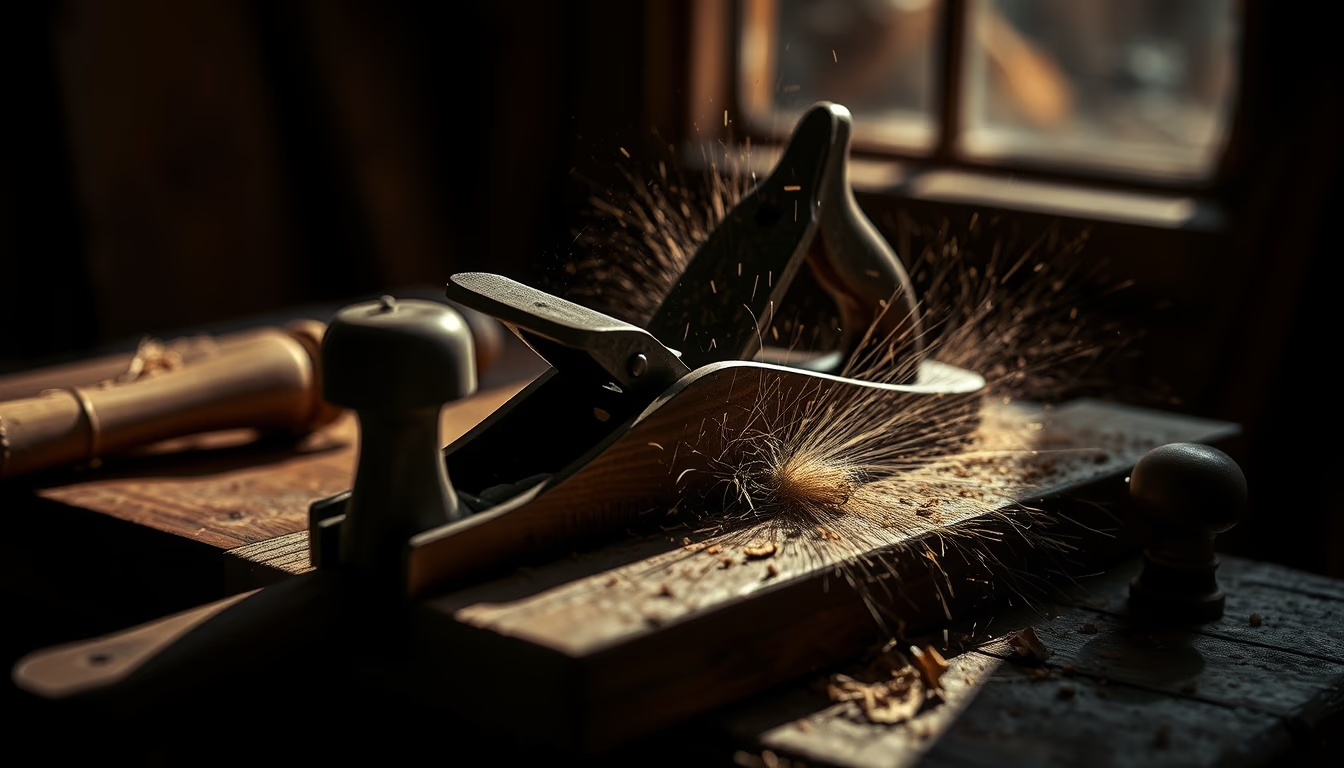
A close-up of plane wood shavings: the thin, curled strips resulting from hand planing reveal the texture and history of traditional woodworking.
About this subject
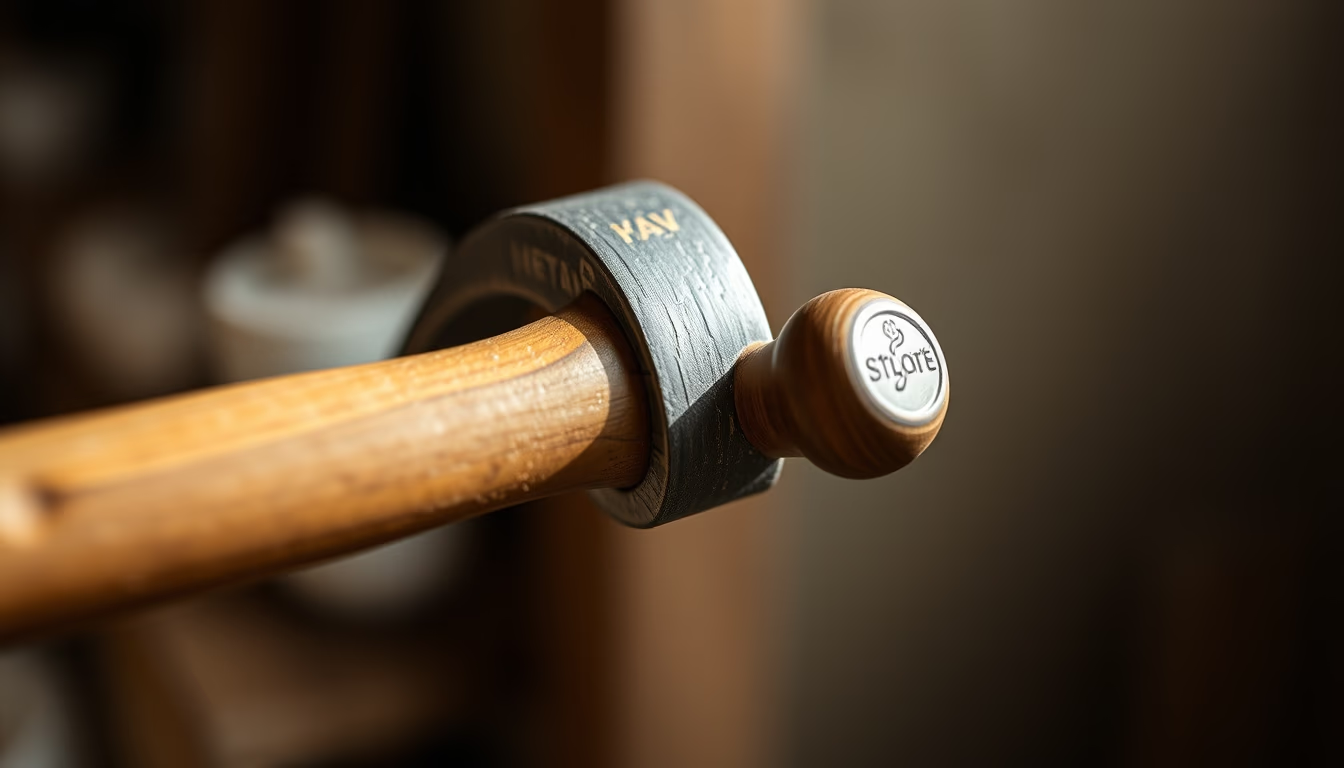
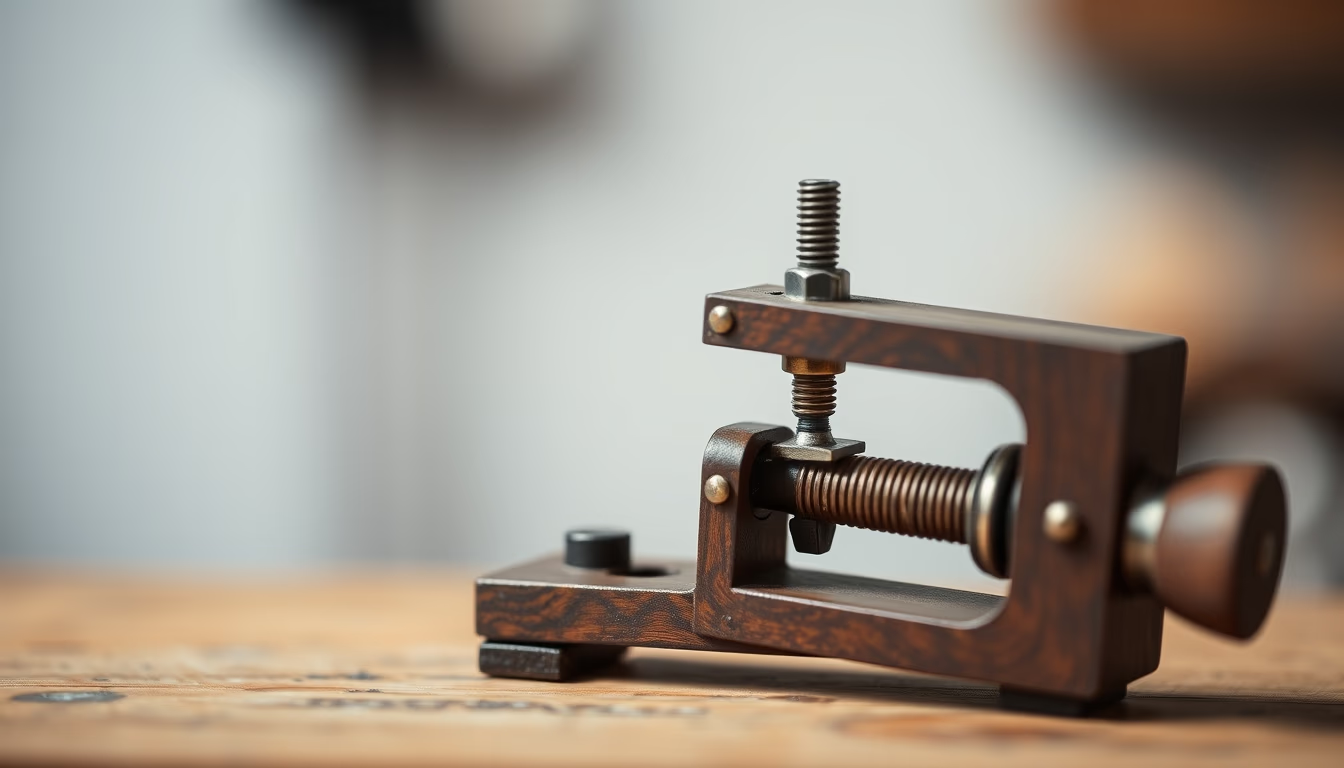
Plane wood shavings are a byproduct of hand planing, an ancient woodworking technique used to smooth, level, and shape wood surfaces. The hand plane, a tool consisting of a wooden or metal body with an adjustable blade, cuts thin layers from the workpiece, producing continuous curled shavings. These wood strips vary in thickness according to the blade's setting, ranging from paper-thin to thicker for rapid material removal.
The quality of shavings is an indicator of workmanship: long, uniform shavings suggest a sharp blade and skilled technique. Experienced woodworkers often assess the cut by the type of shaving produced, which also reflects the wood species, softwoods like pine yield lighter, more fragile shavings, while hardwoods like oak produce darker, more brittle ones.
Historically, hand planing was essential in shipbuilding, furniture making, and structural carpentry before industrialization. With the advent of electric planers and thicknessers, hand planes are now mainly used in restoration, fine finishing, and artisan woodworking. Collectors and craftsmen still value antique planes, often made by renowned manufacturers like Stanley or Record, which produce iconic shavings.
Beyond technique, plane shavings have practical uses: they serve as fire starters, packing material, or even as substrate in terrariums. In traditional workshops, accumulated shavings are recycled into particleboard or biomass briquettes. The texture and fresh aroma of shavings evoke the atmosphere of workshops, symbolizing meticulous manual work.
Frequently Asked Questions
What are plane wood shavings?
Plane wood shavings are thin strips of wood removed by a hand plane during planing. They are continuous and curled, varying in thickness based on blade adjustment.
Why are shavings important in woodworking?
Long, uniform shavings indicate a sharp blade and good technique. Woodworkers use them to assess cut quality and wood type.
Do plane shavings have practical uses?
Yes, they can be used as fire starters, packing material, terrarium substrate, or recycled into particleboard and biomass briquettes.
Direct URL
https://pub-c7d6a6ea828543ac903a74a341ccb2e1.r2.dev/imagens/plane-wood-shaving-aerial-drone-shot-fresh1.avifHow to credit
Include a visible link back to UtilizAí. Copy one of the snippets below:
<a href="https://xn--utiliza-eza.com/en/midia/imagens/plane-wood-shaving-aerial-drone-shot-fresh1">Plane wood shaving</a> by <a href="https://xn--utiliza-eza.com">UtilizAí</a>, licensed under <a href="https://creativecommons.org/licenses/by/4.0/">CC BY 4.0</a>.
[Plane wood shaving](https://xn--utiliza-eza.com/en/midia/imagens/plane-wood-shaving-aerial-drone-shot-fresh1) by [UtilizAí](https://xn--utiliza-eza.com), CC BY 4.0
License: CC-BY-4.0