Pilates reformer studio
1344×768 · AVIF · CC BY 4.0
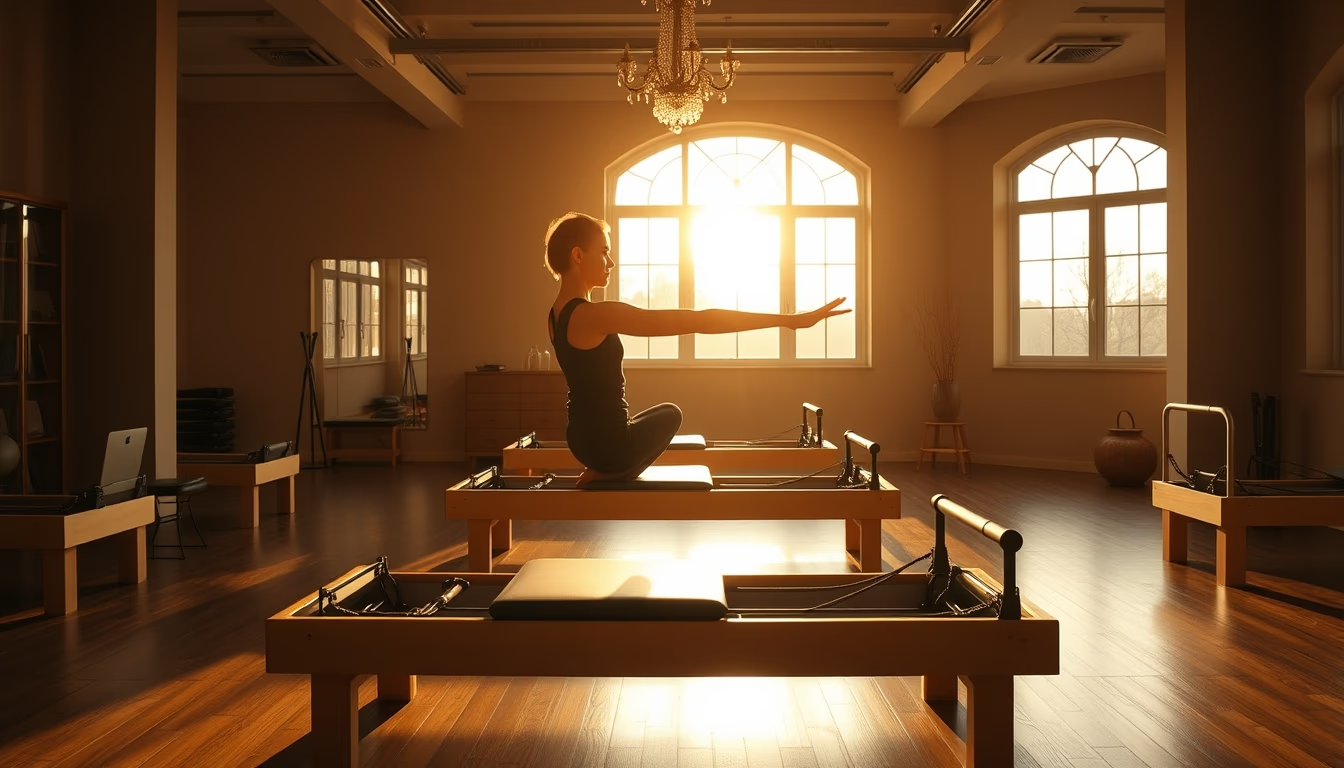
The Pilates Reformer is a versatile apparatus with spring resistance for strength and flexibility exercises, widely used in specialized studios.
About this subject
The Reformer was created by Joseph Pilates in the 1920s, originally as part of his fitness method called Contrology. The apparatus consists of a sliding carriage on a fixed frame, with springs of different tensions providing progressive resistance. This setup allows hundreds of exercises that work the core, limbs, and postural alignment in a safe and controlled manner.
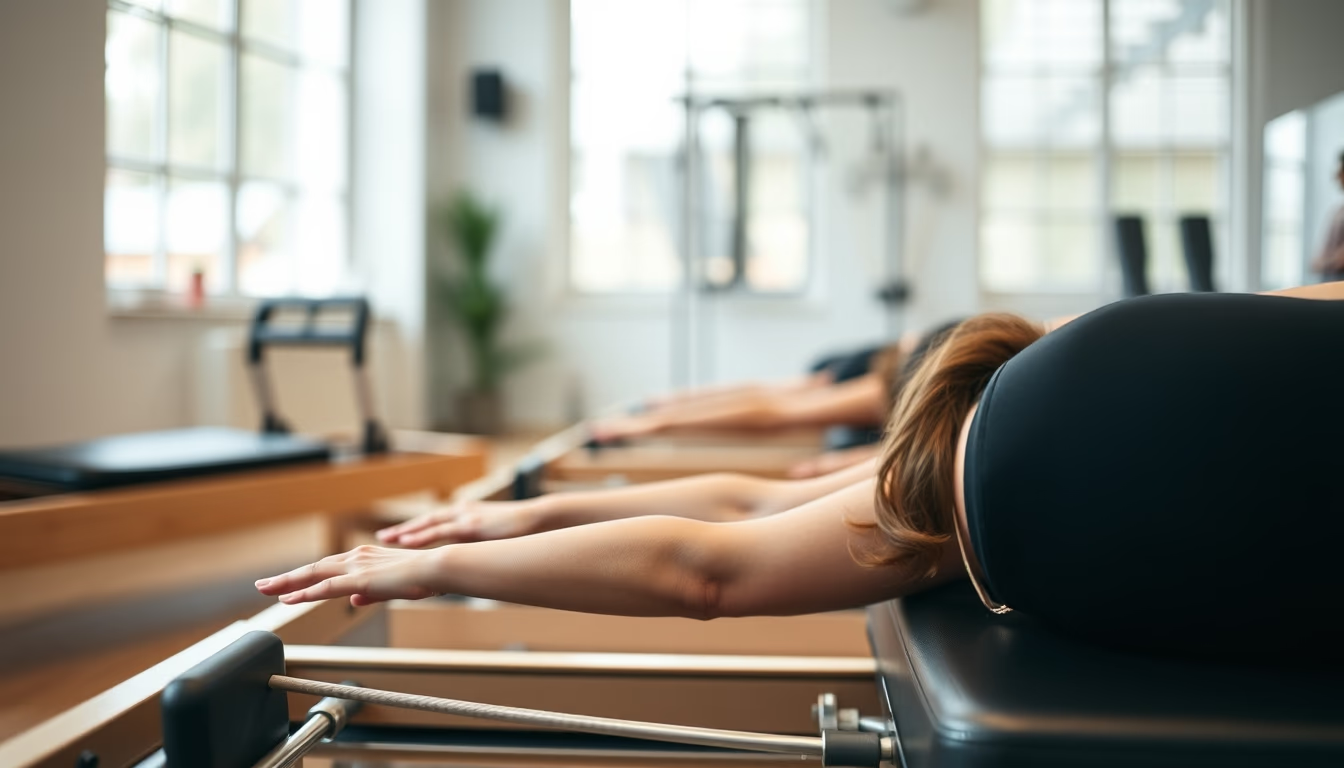
Pilates Reformer studios are dedicated spaces where certified instructors guide practitioners in individual or small group sessions. Unlike mat Pilates, the Reformer offers variable support and resistance, making it suitable for both rehabilitation and athletic performance. The machine is adjustable for different strength and flexibility levels, accessible to beginners and advanced users alike.
In Brazil, Pilates with the Reformer grew significantly from the 2000s onward, with specialized studios opening in major urban centers. Many physical therapists incorporate the Reformer into treatments for spine and knee issues because it allows low-impact movements. Its popularity also stems from versatility: exercises can be modified with accessories like boxes, platforms, and elastic bands.
Interestingly, Joseph Pilates designed the Reformer based on hospital beds, aiming to create an exercise system that could be performed by bedridden patients. This rehabilitation principle remains today, with numerous scientific studies proving the method's effectiveness in muscle strength gain, flexibility improvement, and chronic pain reduction.
Frequently Asked Questions
What is the difference between mat Pilates and Reformer Pilates?
Mat Pilates is performed on the floor using body weight and small props like balls and bands. The Reformer uses springs for variable resistance, providing more muscular feedback and progressive loading, and allowing movements in multiple planes.
Is Reformer Pilate good for injury rehabilitation?
Yes, the Reformer is widely used in physical therapy because it allows controlled, low-impact movements with adjustable resistance. It is common for spinal, knee, and post-surgical rehabilitation.
How many times a week should I do Reformer Pilates?
Two to three sessions per week are recommended for consistent strength and flexibility gains. Frequency can be adjusted based on goals and instructor guidance.
Direct URL
https://pub-c7d6a6ea828543ac903a74a341ccb2e1.r2.dev/imagens/pilates-reformer-studio-cinematic-wide-shot-p3.avifHow to credit
Include a visible link back to UtilizAí. Copy one of the snippets below:
<a href="https://xn--utiliza-eza.com/en/midia/imagens/pilates-reformer-studio-cinematic-wide-shot-p3">Pilates reformer studio</a> by <a href="https://xn--utiliza-eza.com">UtilizAí</a>, licensed under <a href="https://creativecommons.org/licenses/by/4.0/">CC BY 4.0</a>.
[Pilates reformer studio](https://xn--utiliza-eza.com/en/midia/imagens/pilates-reformer-studio-cinematic-wide-shot-p3) by [UtilizAí](https://xn--utiliza-eza.com), CC BY 4.0
License: CC-BY-4.0