Phone gimbal stabilizer
1344×768 · AVIF · CC BY 4.0
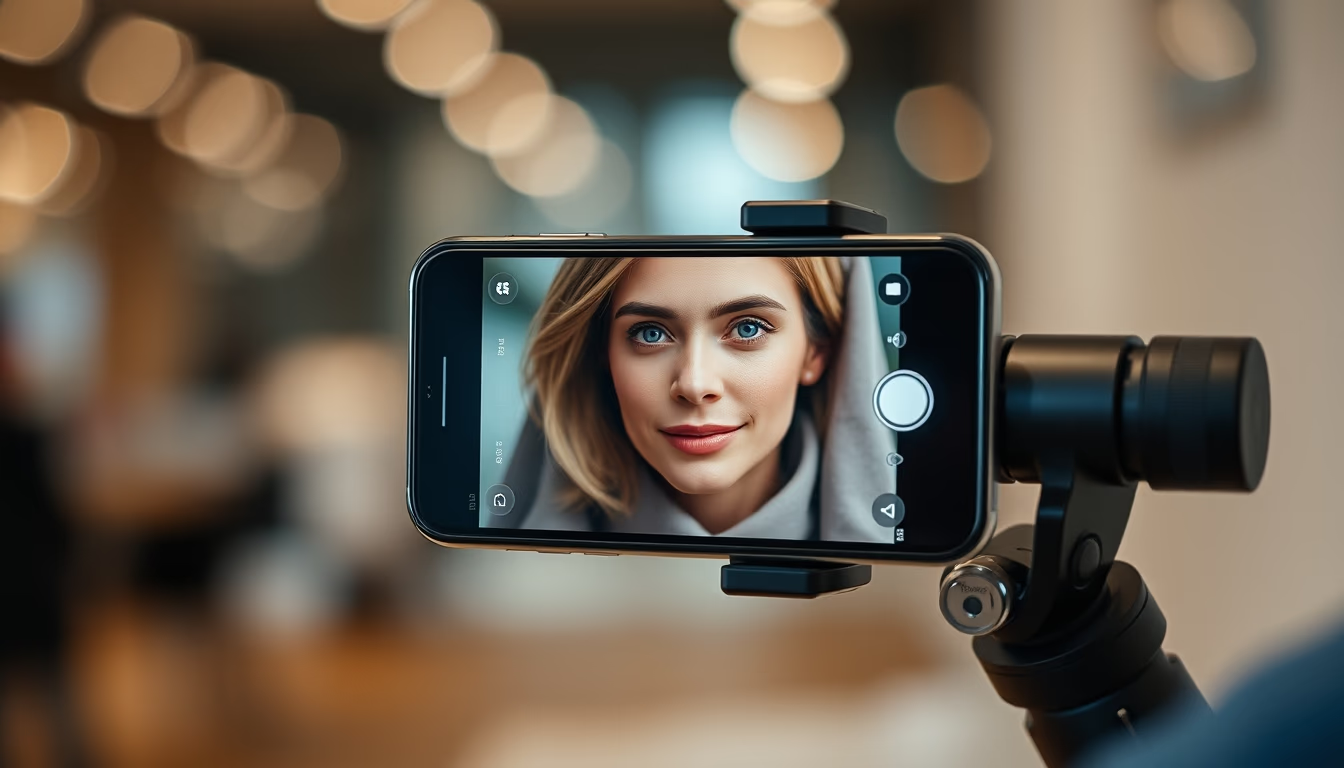
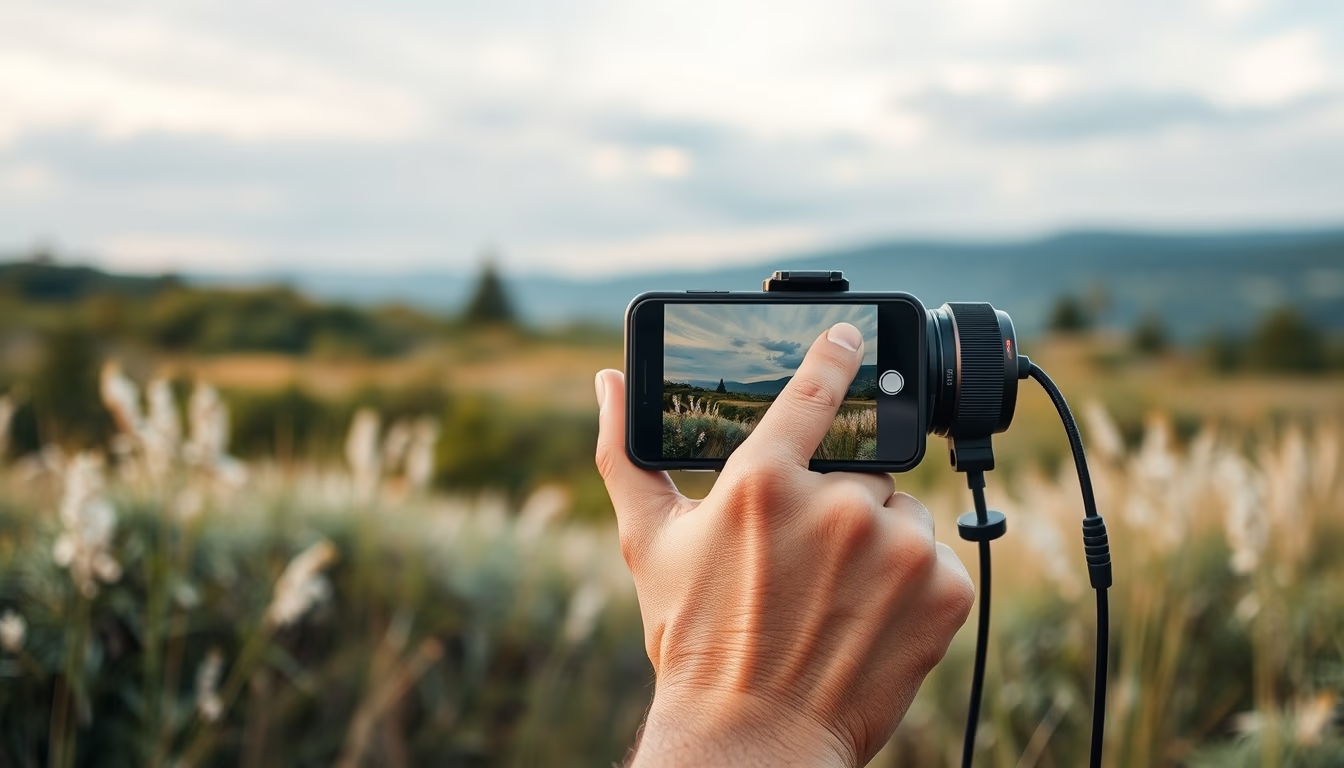
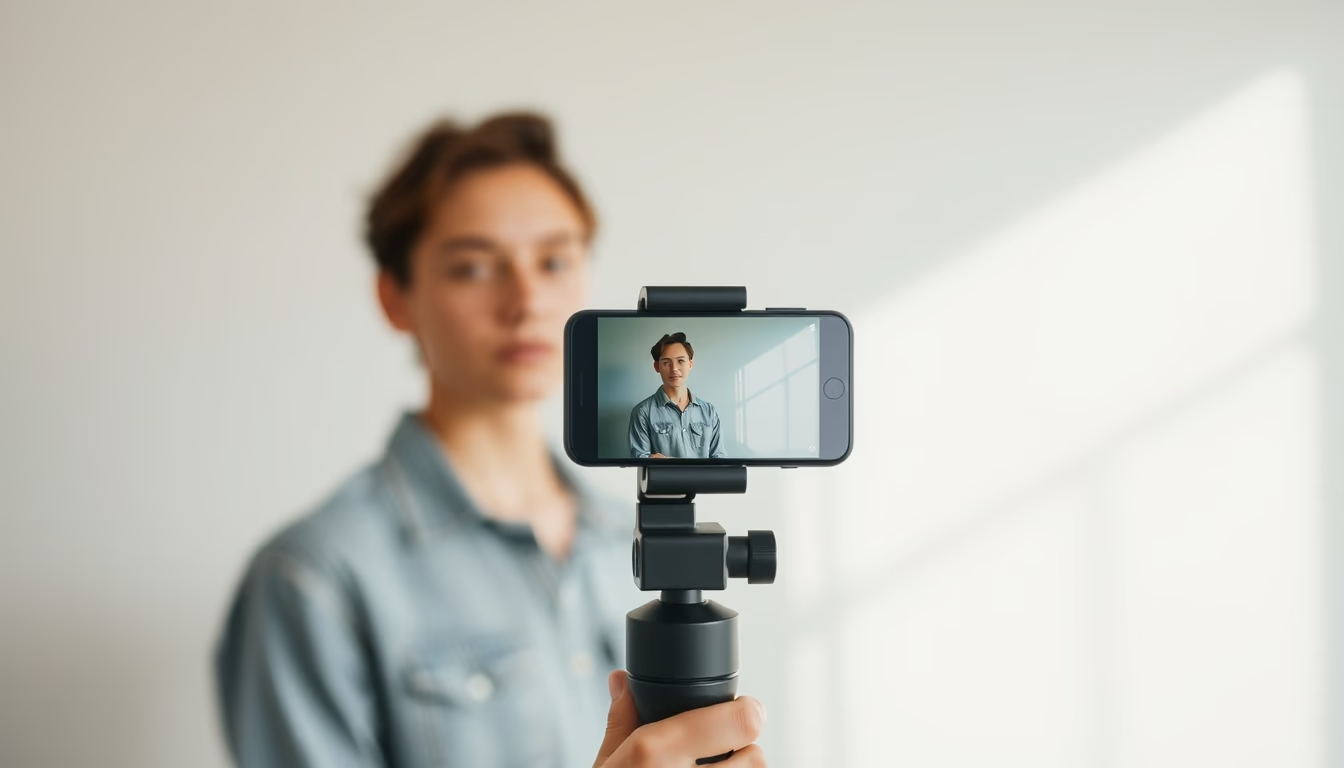
Phone gimbal stabilizer: learn how it transforms shaky videos and motion photos into smooth, professional-quality footage.
About this subject
A phone gimbal stabilizer is a handheld device that uses motors and sensors to keep the smartphone camera level and smooth during recording. Unlike fixed mounts or monopods, the gimbal compensates for unwanted movements in real time, allowing you to capture video without shakiness even while walking, running, or making sudden directional changes. The three-axis technology (pan, tilt, roll) is the most common, used by brands such as DJI, Zhiyun, and Feiyu Tech, and has become essential for content creators, amateur filmmakers, and professionals seeking cinematic quality with lightweight and affordable gear.
The operation relies on accelerometers and gyroscopes that detect the phone's orientation and send commands to brushless motors to adjust position rapidly. This results in fluid, natural motion, eliminating the “shaky camera” effect typical of handheld recording. Many modern gimbals offer additional features like gesture control, object tracking, and integration with editing apps, expanding creative possibilities. For example, the time-lapse mode with a gimbal allows smooth hyperlapse sequences even while moving.
The popularity of gimbals exploded as smartphone cameras advanced to shoot 4K and even 8K video. YouTubers, vloggers, and influencers use the stabilizer to capture dynamic shots at events, during travels, and in tutorials. However, even casual users benefit: recording kids running around or a bike ride becomes much more watchable. The market also offers compact, foldable options that fit easily in a backpack.
Interestingly, before portable gimbals became widespread, stabilizing moving video required expensive equipment like Steadicams or cranes. Today, an entry-level gimbal costs under $100 and fits in the palm of your hand. The technology continues to evolve, with newer models incorporating artificial intelligence to predict movement and even combining mechanical stabilization with digital stabilization, resulting in even smoother footage.
Frequently Asked Questions
What is the difference between a gimbal and optical image stabilization?
Optical stabilization (OIS) is built into the phone's camera and corrects small vibrations. A gimbal is an external accessory that holds the phone and corrects larger movements, such as body sway, making it more effective for video while moving.
Do I need a gimbal if my phone already has electronic stabilization?
Yes, because electronic stabilization (EIS) crops and processes the video, potentially reducing quality and field of view. A gimbal mechanically stabilizes, preserving the original image and smoothing out sudden movements that EIS cannot handle.
How do I choose a gimbal for my phone?
Check the payload capacity for your phone model, available modes (pan, tilt, roll), battery life, and features like object tracking. Brands like DJI, Zhiyun, and Hohem offer good options for different budgets.
Direct URL
https://pub-c7d6a6ea828543ac903a74a341ccb2e1.r2.dev/imagens/phone-gimbal-stabilizer-macro-closeup-fresh17.avifHow to credit
Include a visible link back to UtilizAí. Copy one of the snippets below:
<a href="https://xn--utiliza-eza.com/en/midia/imagens/phone-gimbal-stabilizer-macro-closeup-fresh17">Phone gimbal stabilizer</a> by <a href="https://xn--utiliza-eza.com">UtilizAí</a>, licensed under <a href="https://creativecommons.org/licenses/by/4.0/">CC BY 4.0</a>.
[Phone gimbal stabilizer](https://xn--utiliza-eza.com/en/midia/imagens/phone-gimbal-stabilizer-macro-closeup-fresh17) by [UtilizAí](https://xn--utiliza-eza.com), CC BY 4.0
License: CC-BY-4.0