Phone gimbal stabilizer
1344×768 · AVIF · CC BY 4.0
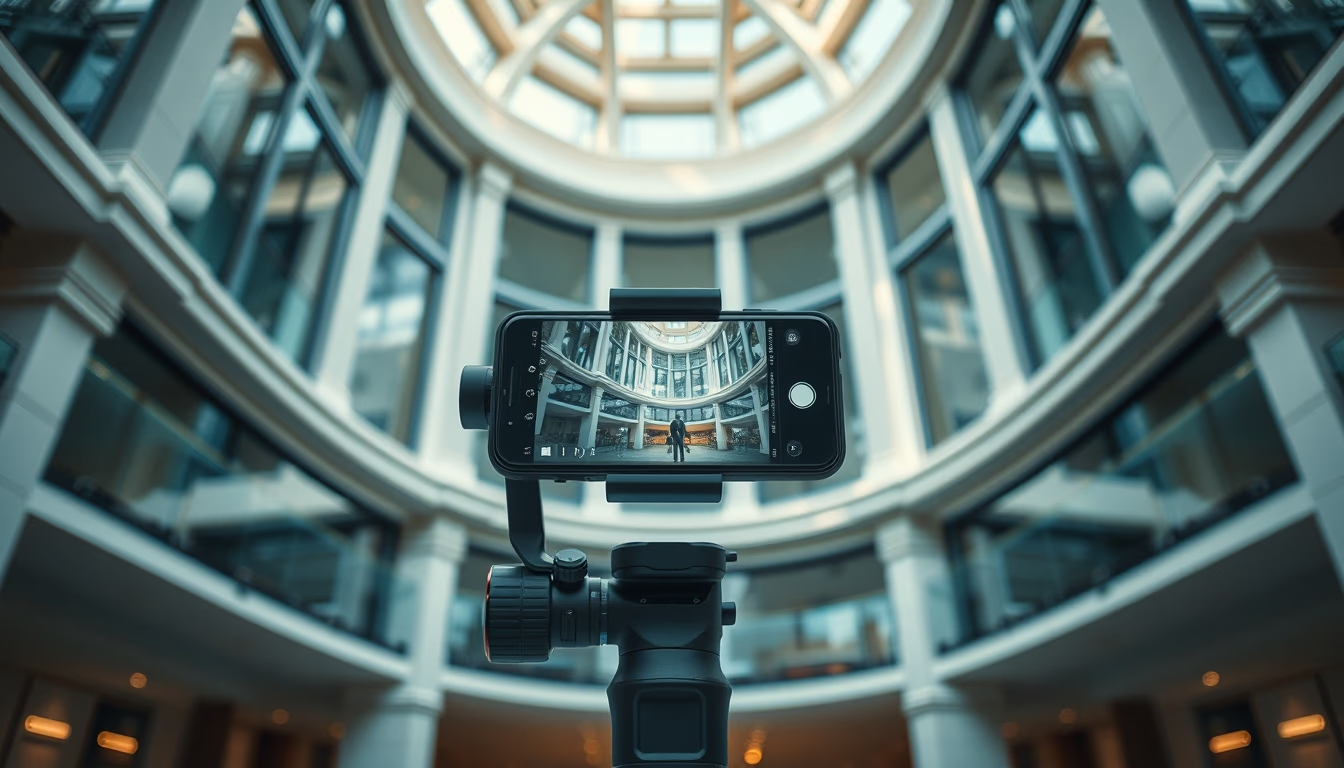
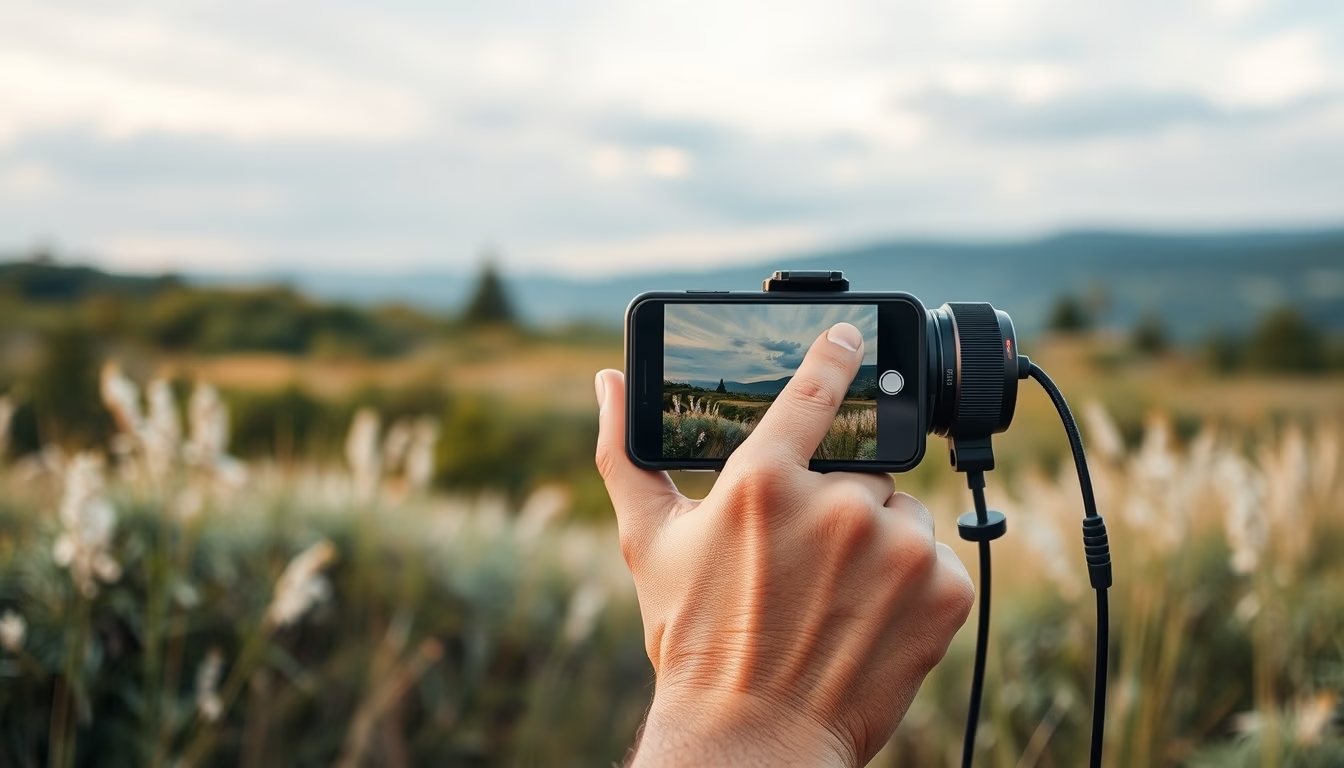
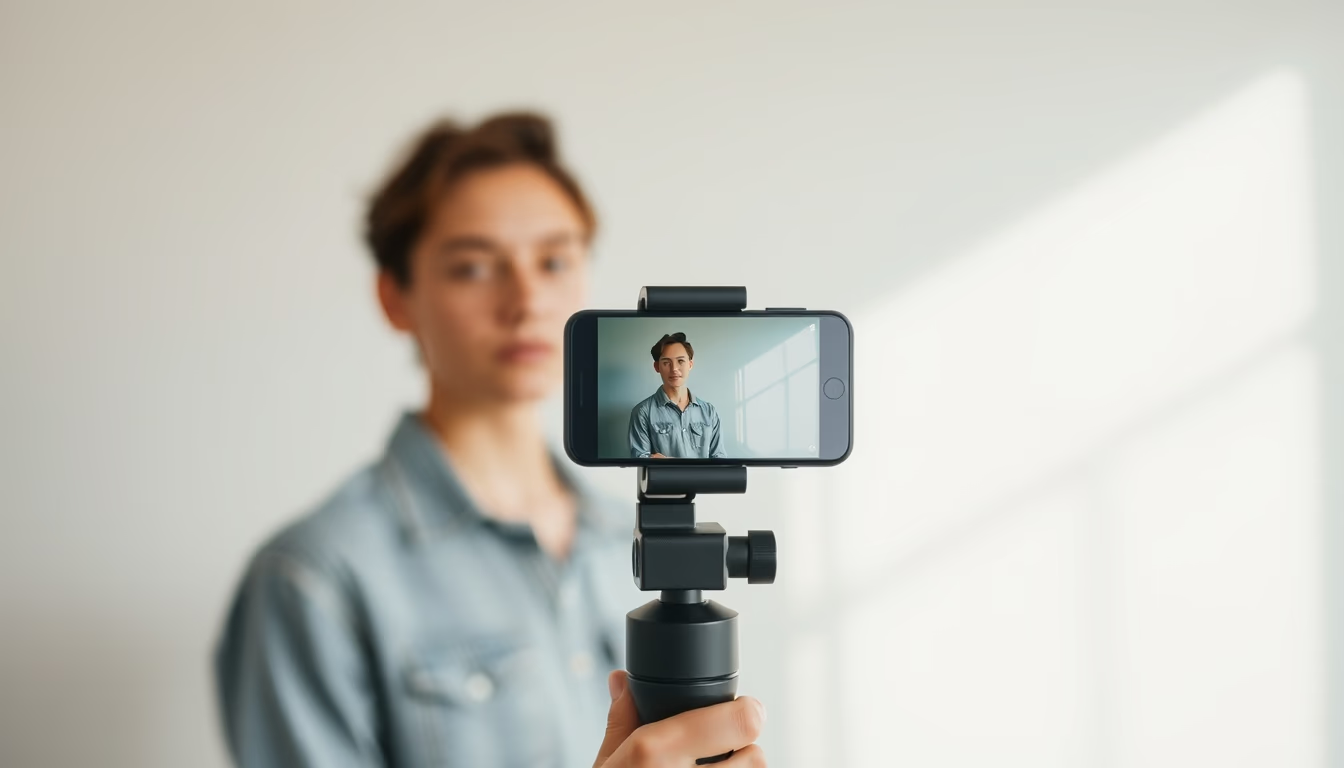
Phone gimbal stabilizer used in architectural photography, ensuring smooth video and sharp images even when moving.
About this subject
A phone gimbal stabilizer is a handheld device that uses motors and sensors to counteract unwanted movements when shooting video or photos. Originally designed for professional cameras, smartphone versions have become popular among content creators and architects who need stability on the go. In architectural photography, the gimbal allows one to walk through rooms or around facades without jitter, producing images that emphasize lines and proportions.
The use of gimbals in architecture is especially relevant for capturing low-light interiors, where long exposures demand steadiness. The stabilization compensates for hand microvibrations, crucial for recording details such as marble textures or recessed lighting. Moreover, when shooting time-lapse or hyperlapse videos, the gimbal keeps the horizon level, an essential feature for professional presentations.
Interestingly, the first commercial phone gimbals appeared around 2014, driven by the rise of vlogging and real estate marketing. Today, models like the DJI Osmo Mobile and Zhiyun Smooth include follow-focus and dynamic timelapse modes, expanding creative possibilities. For architects, this accessory replaces tripods in situations where setting them up would be impractical, such as on stairs or in tight spaces.
Despite its built-in technology, mastering the gimbal requires practice: you need to balance the load when switching phones and adjust axis sensitivity according to the scene. Outdoors, strong winds may call for makeshift counterweights. Still, for those seeking quality in architectural recordings, investing in a gimbal with good motors is justified by the noticeable difference in video fluidity.
Frequently Asked Questions
What are the main advantages of using a gimbal for architectural photography?
The gimbal eliminates shake when walking or holding the phone, enabling smooth videos even in tight spaces or low light. It also facilitates time-lapses and hyperlapses with a leveled horizon, an important feature for real estate presentations.
Can a phone gimbal completely replace a tripod?
Not entirely. A tripod offers absolute stillness for long exposures, while a gimbal is ideal for moving shots. For night architectural photos, the tripod is still superior; for tour videos, the gimbal is more practical.
What is the difference between a 2-axis and a 3-axis gimbal?
A 3-axis gimbal (pan, tilt, roll) stabilizes movements in all directions, essential for architectural filming that requires smooth rotation. A 2-axis gimbal only corrects tilt and yaw, making it less suitable for professional videos.
Direct URL
https://pub-c7d6a6ea828543ac903a74a341ccb2e1.r2.dev/imagens/phone-gimbal-stabilizer-architectural-photography-fresh4.avifHow to credit
Include a visible link back to UtilizAí. Copy one of the snippets below:
<a href="https://xn--utiliza-eza.com/en/midia/imagens/phone-gimbal-stabilizer-architectural-photography-fresh4">Phone gimbal stabilizer</a> by <a href="https://xn--utiliza-eza.com">UtilizAí</a>, licensed under <a href="https://creativecommons.org/licenses/by/4.0/">CC BY 4.0</a>.
[Phone gimbal stabilizer](https://xn--utiliza-eza.com/en/midia/imagens/phone-gimbal-stabilizer-architectural-photography-fresh4) by [UtilizAí](https://xn--utiliza-eza.com), CC BY 4.0
License: CC-BY-4.0