Pharmacy compounding lab
1344×768 · AVIF · CC BY 4.0
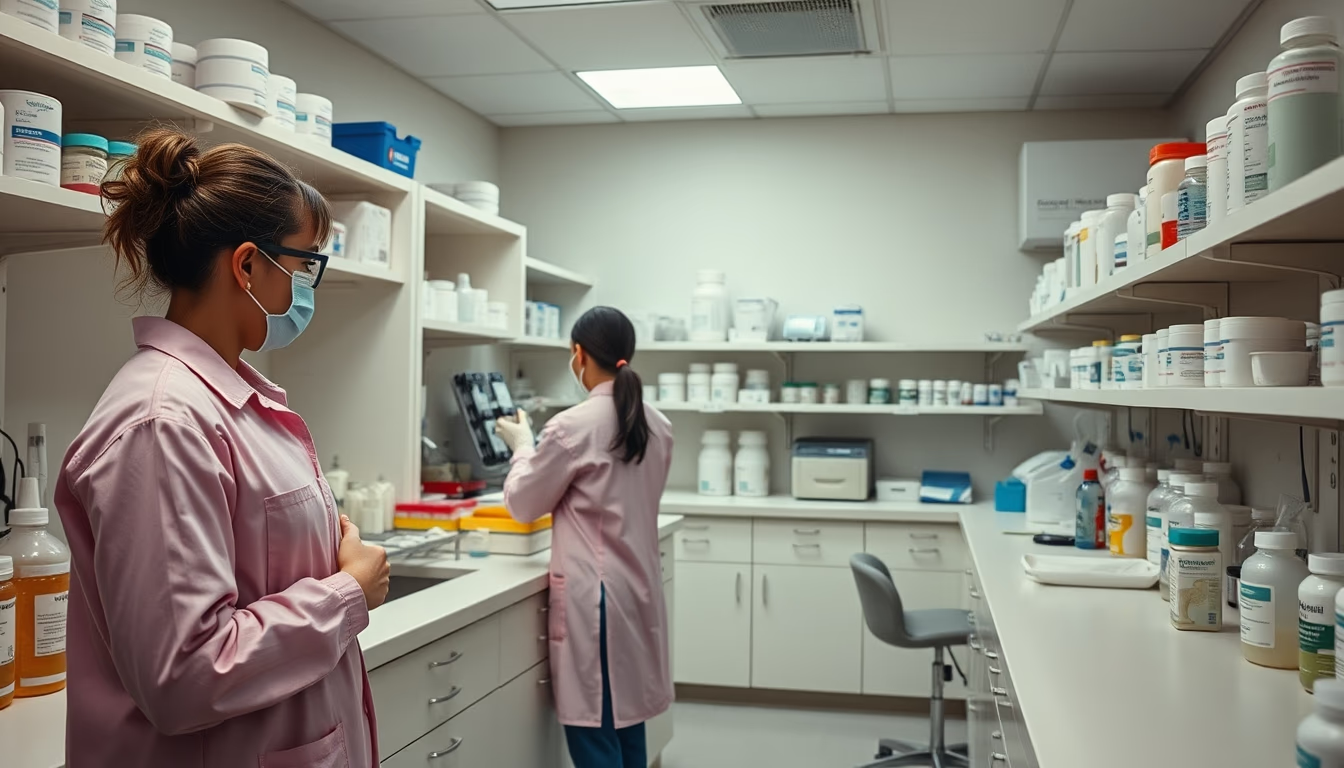
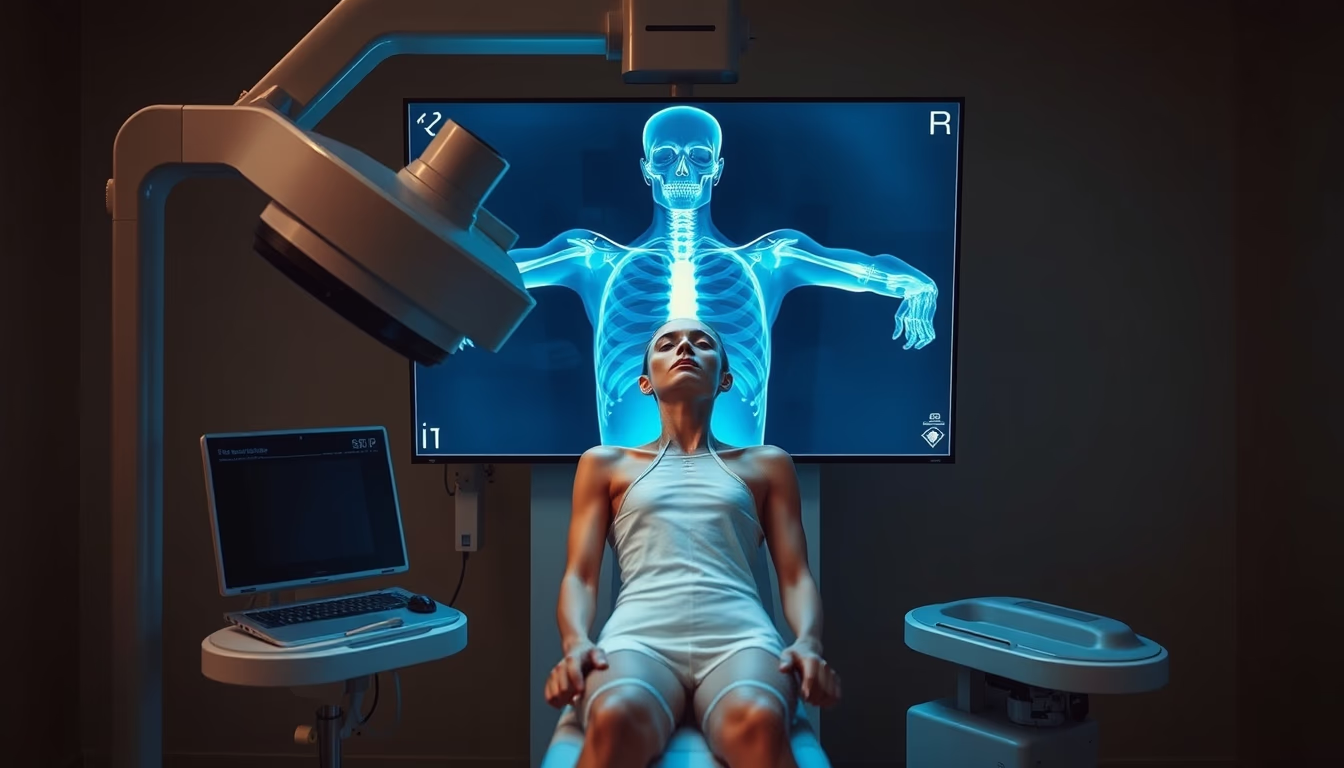
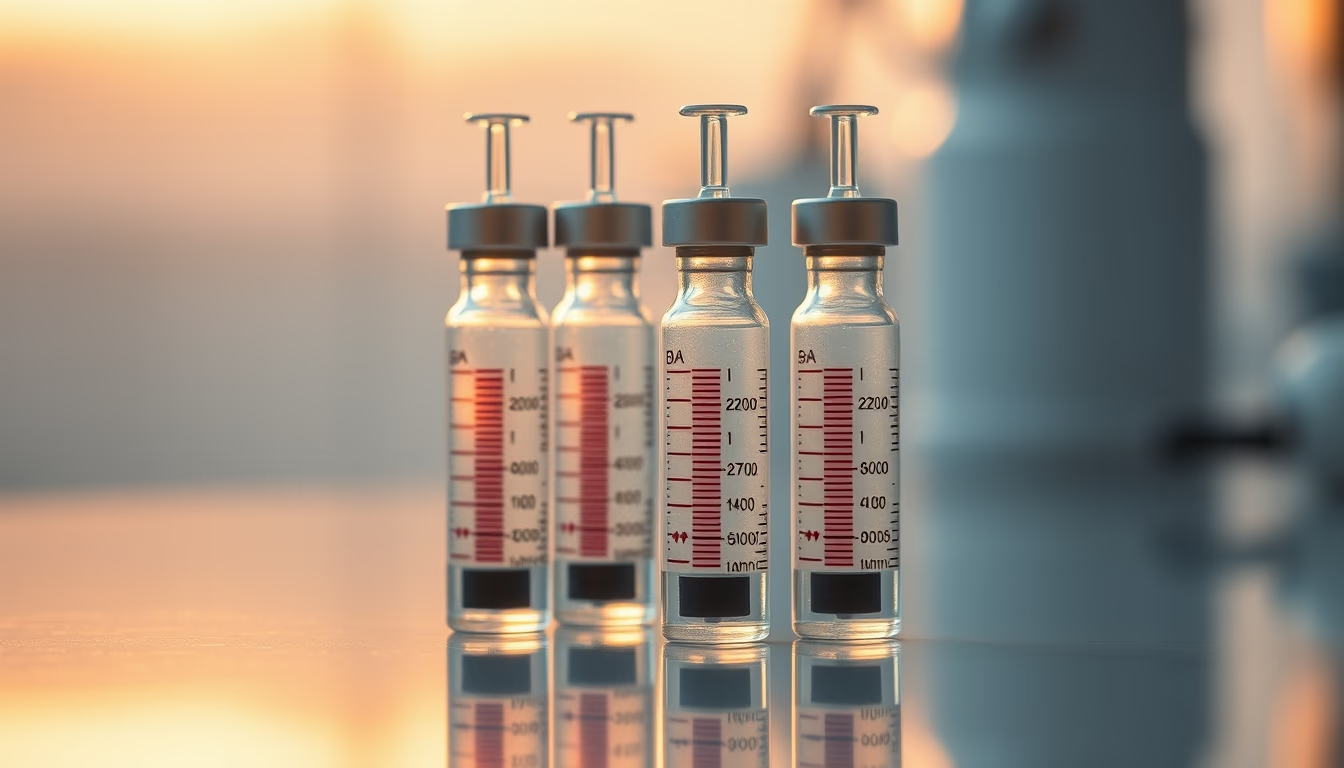
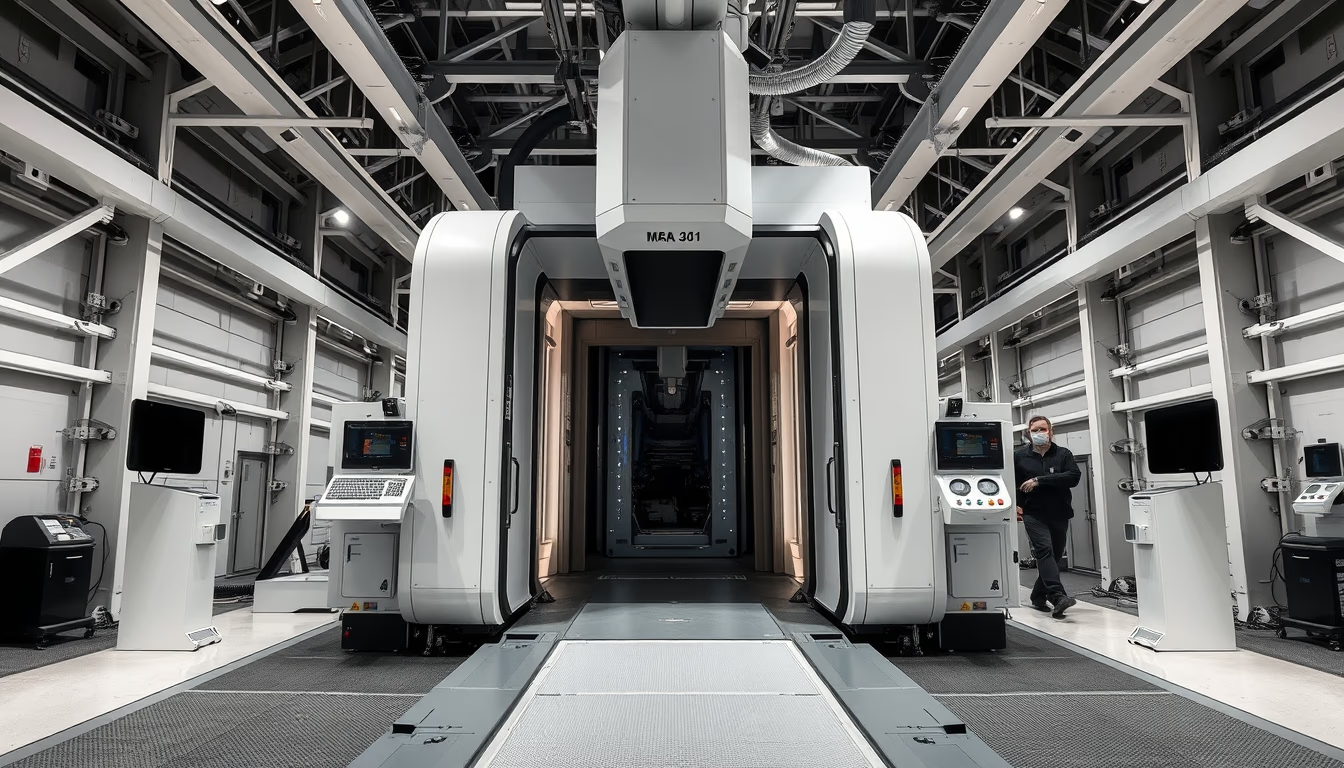
Pharmacy compounding labs produce customized medications, essential for patients with specific needs not met by commercial drugs.
About this subject
Pharmaceutical compounding is the practice of preparing customized medications to meet the unique needs of individual patients. This process takes place in compounding pharmacies or specialized labs, where pharmacists combine active ingredients into dosage forms such as capsules, creams, oral solutions, or suppositories. Customization is crucial for patients allergic to commercial excipients, children requiring lower doses, elderly with swallowing difficulties, or those needing specific combinations of active drugs. In the United States, compounding is regulated by state boards of pharmacy and federal laws like the Drug Quality and Security Act (DQSA), while in many countries it follows Good Manufacturing Practices (GMP).
Historically, compounding is as old as pharmacy itself: before the industrialization of medicine in the late 19th century, all prescriptions were compounded. The rise of mass production led to a decline in compounding, but it never disappeared. Today, about 5% of prescriptions in the U.S. are compounded, and the percentage is similar globally. The practice gained renewed attention during the COVID-19 pandemic, when hospitals urgently needed customized doses for patients on ventilators. Compounding also fulfills the need for orphan drugs, medications for rare diseases that are not profitable for large pharmaceutical companies to produce.
The workflow in a compounding lab involves several controlled steps: receiving a valid prescription, calculating quantities, weighing pharmaceutical-grade ingredients, mixing, encapsulating or filling, and quality control tests such as average weight, disintegration, and content uniformity. Traceability is key: every batch is logged with date, operator, and raw materials. Equipment like laminar flow hoods, precision balances, and mixers ensure safety and efficacy.
A notable case: in 2012, a fungal meningitis outbreak in the U.S. traced back to contaminated compounded steroids from the New England Compounding Center, killing 64 people. This tragedy led to stricter federal oversight and the DQSA. On the innovation side, compounding allows for novel delivery systems like transdermal gels or sublingual drops, which can improve patient adherence. Veterinary compounding also deserves mention, many medications for pets are compounded from human formulations to adjust dosage or flavor.
Frequently Asked Questions
What is a compounding pharmacy and how does it differ from a regular pharmacy?
A compounding pharmacy prepares personalized medications based on a prescription, while a regular pharmacy dispenses mass-produced drugs. Compounding allows adjustment of dose, dosage form, and combination of active ingredients to meet individual patient needs.
What are the risks associated with compounded medications?
Main risks include contamination, dosing errors, or lack of uniformity. Strict quality control and traceability are required by regulatory agencies (FDA in the US, ANVISA in Brazil). The 2012 fungal meningitis outbreak in the US highlighted the need for robust oversight.
Is pharmaceutical compounding legal in the United States?
Yes, but it is regulated by state boards of pharmacy and federal laws such as the Drug Quality and Security Act (DQSA). Compounding pharmacies must comply with Good Manufacturing Practices (GMP) and are subject to inspections.
Direct URL
https://pub-c7d6a6ea828543ac903a74a341ccb2e1.r2.dev/imagens/pharmacy-compounding-lab-national-geographic-style-p3.avifHow to credit
Include a visible link back to UtilizAí. Copy one of the snippets below:
<a href="https://xn--utiliza-eza.com/en/midia/imagens/pharmacy-compounding-lab-national-geographic-style-p3">Pharmacy compounding lab</a> by <a href="https://xn--utiliza-eza.com">UtilizAí</a>, licensed under <a href="https://creativecommons.org/licenses/by/4.0/">CC BY 4.0</a>.
[Pharmacy compounding lab](https://xn--utiliza-eza.com/en/midia/imagens/pharmacy-compounding-lab-national-geographic-style-p3) by [UtilizAí](https://xn--utiliza-eza.com), CC BY 4.0
License: CC-BY-4.0