Pencil sharpener vintage
1344×768 · AVIF · CC BY 4.0
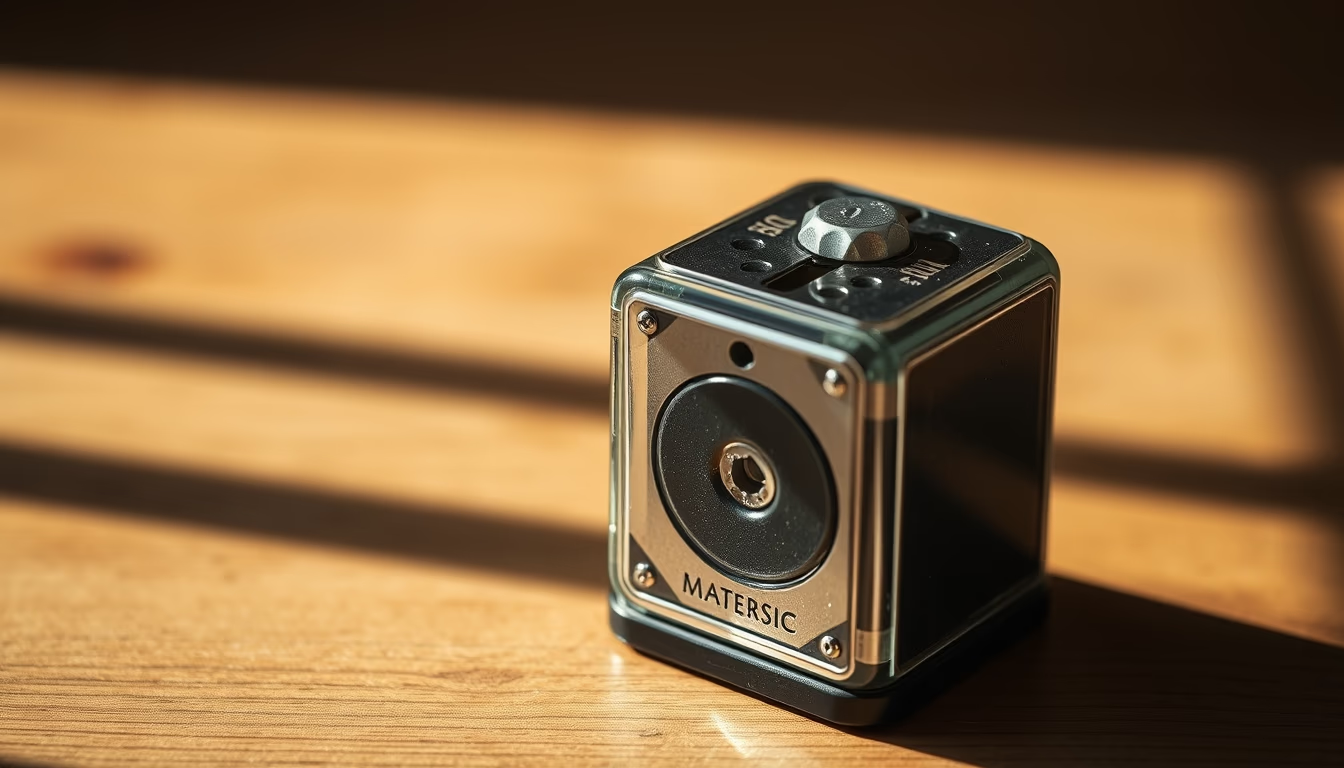
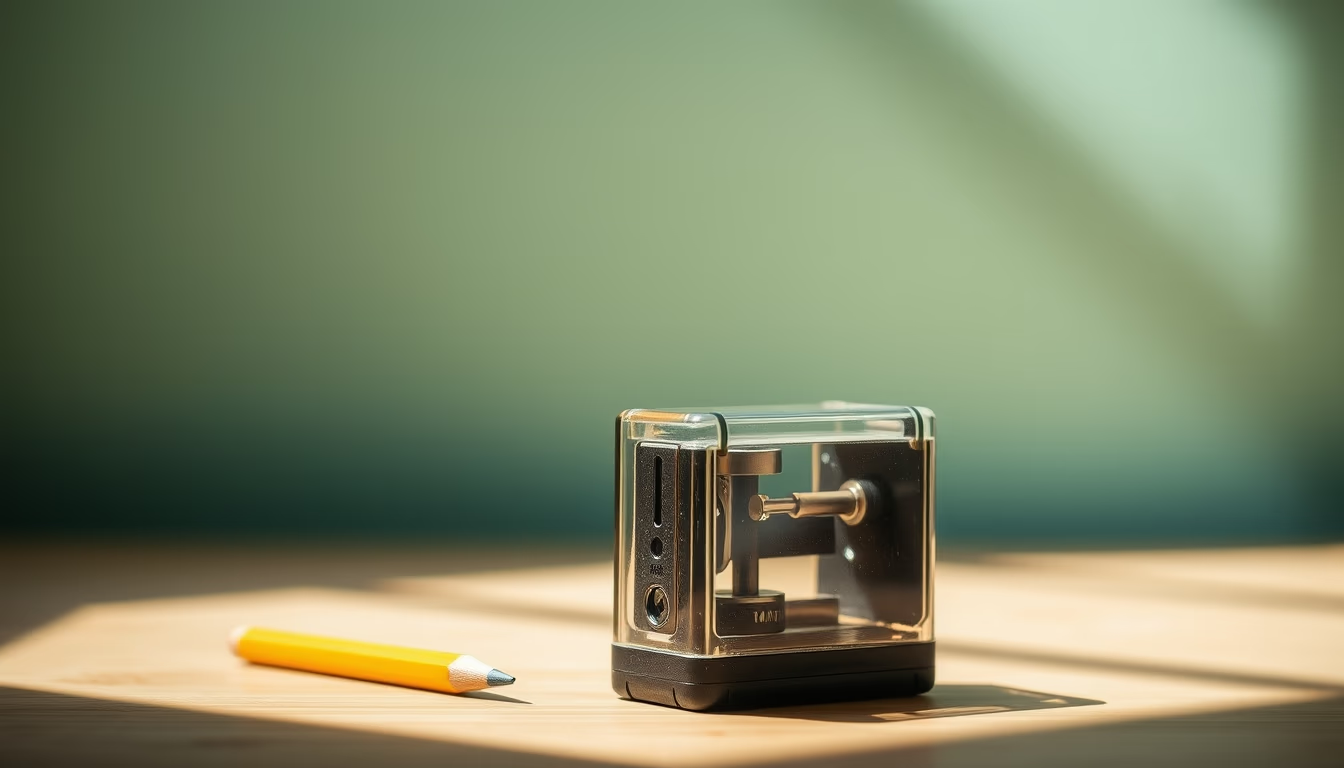
Vintage pencil sharpeners are design objects that combine functionality and aesthetics, with models dating back to the 19th century.
About this subject
Pencil sharpeners evolved from simple handheld blades to sophisticated mechanical devices in the late 19th century. The first mechanical sharpener patent was registered in France in 1847, but it was the American John Lee Love who, in 1897, created the portable model with a container for shavings, popularizing the object. Vintage sharpeners, especially those made of metal and wood, reflect the industrial design of their eras, with brands like German Stabilo and American Boston producing ornate, durable examples.
The earliest models were often mounted on desks and featured gear mechanisms requiring manual rotation of the pencil. Portable models, such as those by Bostitch, had a compact design with an adjustable steel blade and a metal receptacle. Production of these sharpeners declined with the rise of automatic mechanical pencils and pre-sharpened graphite, but today they are collector's items appreciated for their engineering and aesthetic value.
In Brazil, vintage national sharpeners, such as those made by the Cis brand, are sought after by collectors who value the memory of 20th-century school supplies. These objects tell the story of writing utensil evolution, from the need to keep pencils always ready to the planned obsolescence of modern plastic sharpeners. A curiosity: some ancient sharpeners included a blade cleaning device to prevent residue buildup.
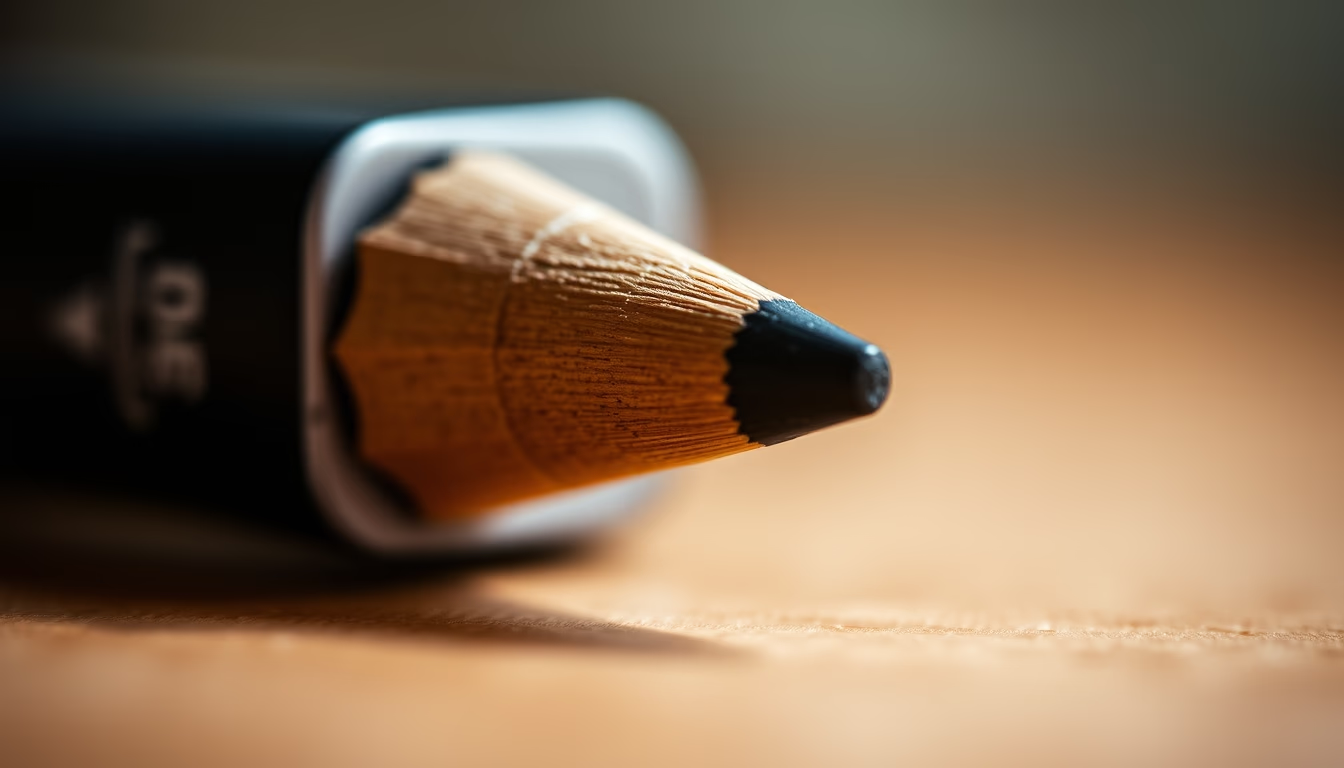
Although design has changed, the working principle remains the same: an inclined blade that removes thin layers of wood and graphite. Collectors classify vintage sharpeners by material (cast iron, brass, Bakelite), mechanism (manual, lever, gear), and rarity. Models shaped like animals or characters are especially prized in the antiques market.
Frequently Asked Questions
How to identify an original vintage pencil sharpener?
Check for manufacturer marks, such as engravings on metal, and examine materials like cast iron, brass, or Bakelite. Mechanisms with metal gears and interchangeable steel blades also indicate authenticity.
What is the difference between a manual and an automatic vintage sharpener?
Manual sharpeners require hand rotation of the pencil or crank, while automatic ones typically have a spring mechanism that pushes the pencil against the blade when inserted, like the Planet Jr. model.
Where can I buy vintage pencil sharpeners in Brazil?
Antique fairs, online auction sites like Mercado Livre and Estante Virtual, and collector groups on social media are good sources. Check rarity and condition before purchasing.
Direct URL
https://pub-c7d6a6ea828543ac903a74a341ccb2e1.r2.dev/imagens/pencil-sharpener-vintage-magazine-editorial-fresh0.avifHow to credit
Include a visible link back to UtilizAí. Copy one of the snippets below:
<a href="https://xn--utiliza-eza.com/en/midia/imagens/pencil-sharpener-vintage-magazine-editorial-fresh0">Pencil sharpener vintage</a> by <a href="https://xn--utiliza-eza.com">UtilizAí</a>, licensed under <a href="https://creativecommons.org/licenses/by/4.0/">CC BY 4.0</a>.
[Pencil sharpener vintage](https://xn--utiliza-eza.com/en/midia/imagens/pencil-sharpener-vintage-magazine-editorial-fresh0) by [UtilizAí](https://xn--utiliza-eza.com), CC BY 4.0
License: CC-BY-4.0