Pencil collection vintage
1344×768 · AVIF · CC BY 4.0
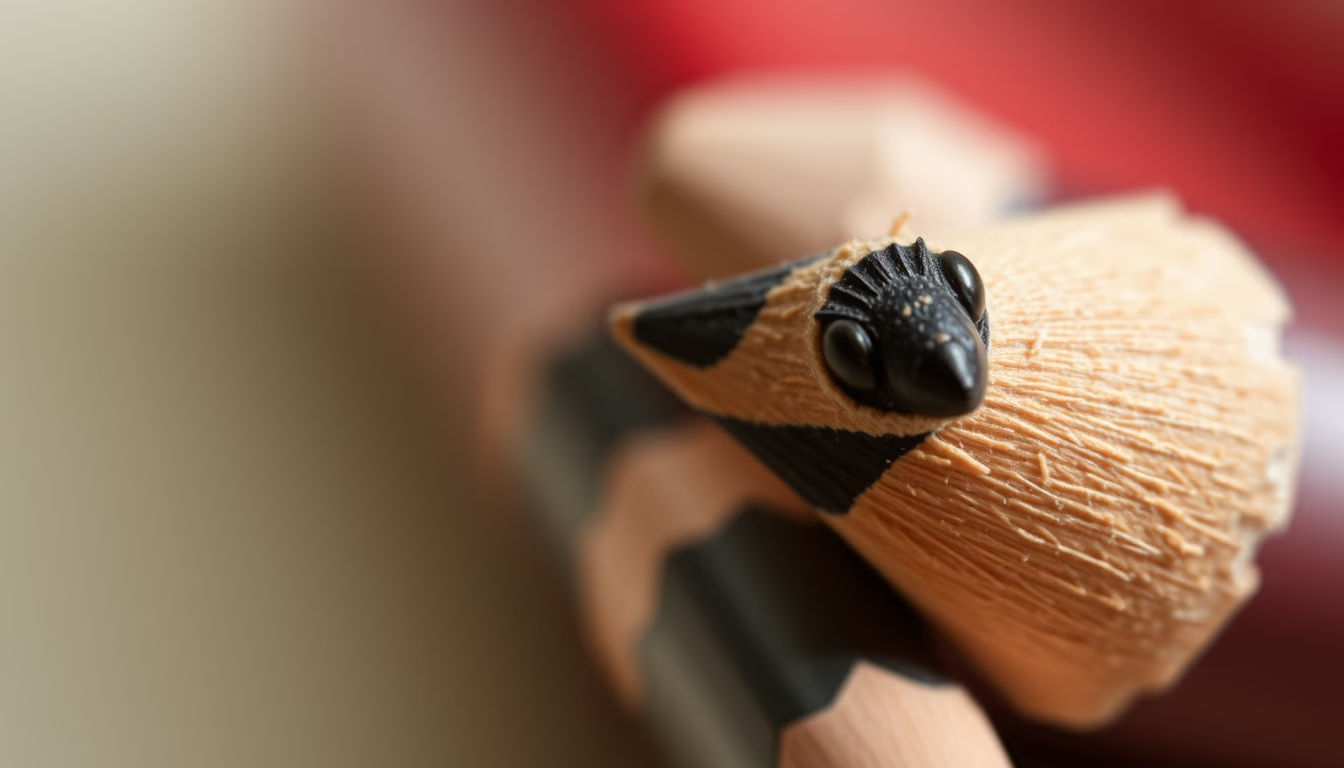
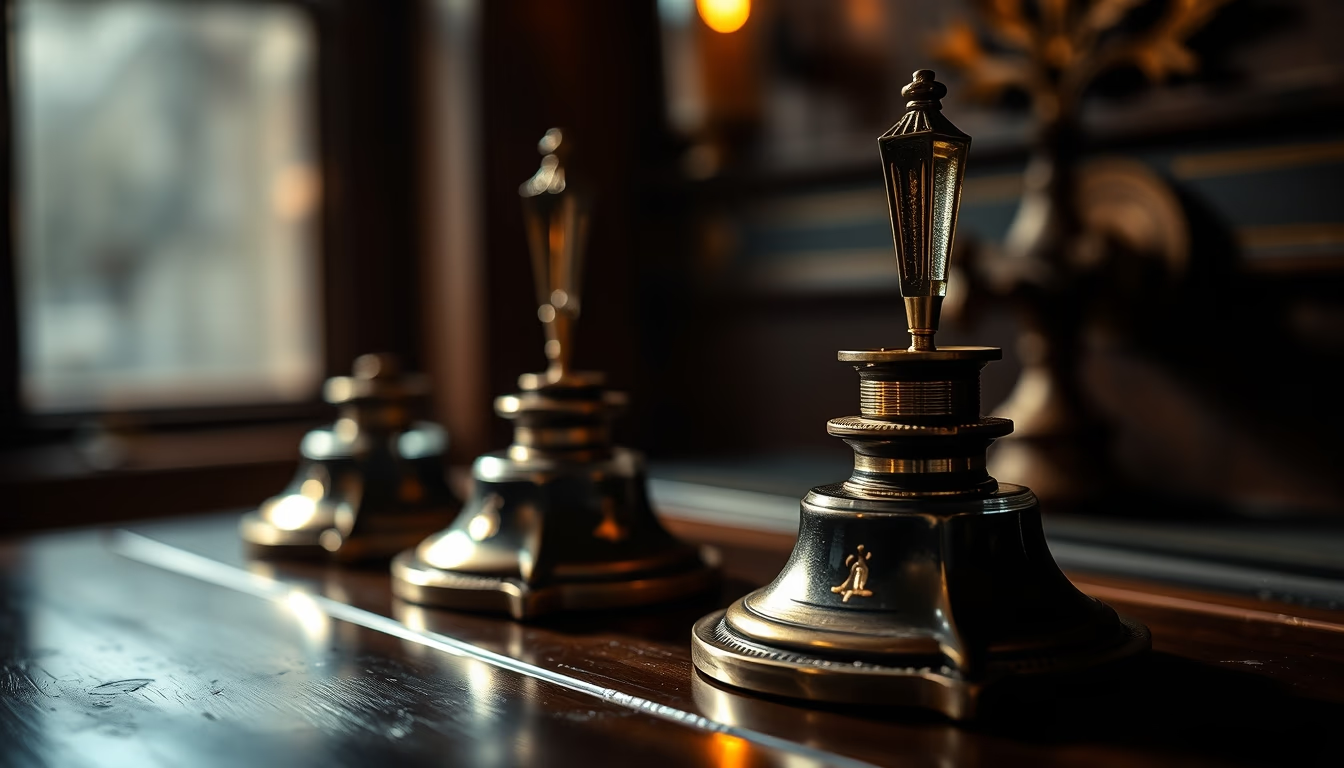
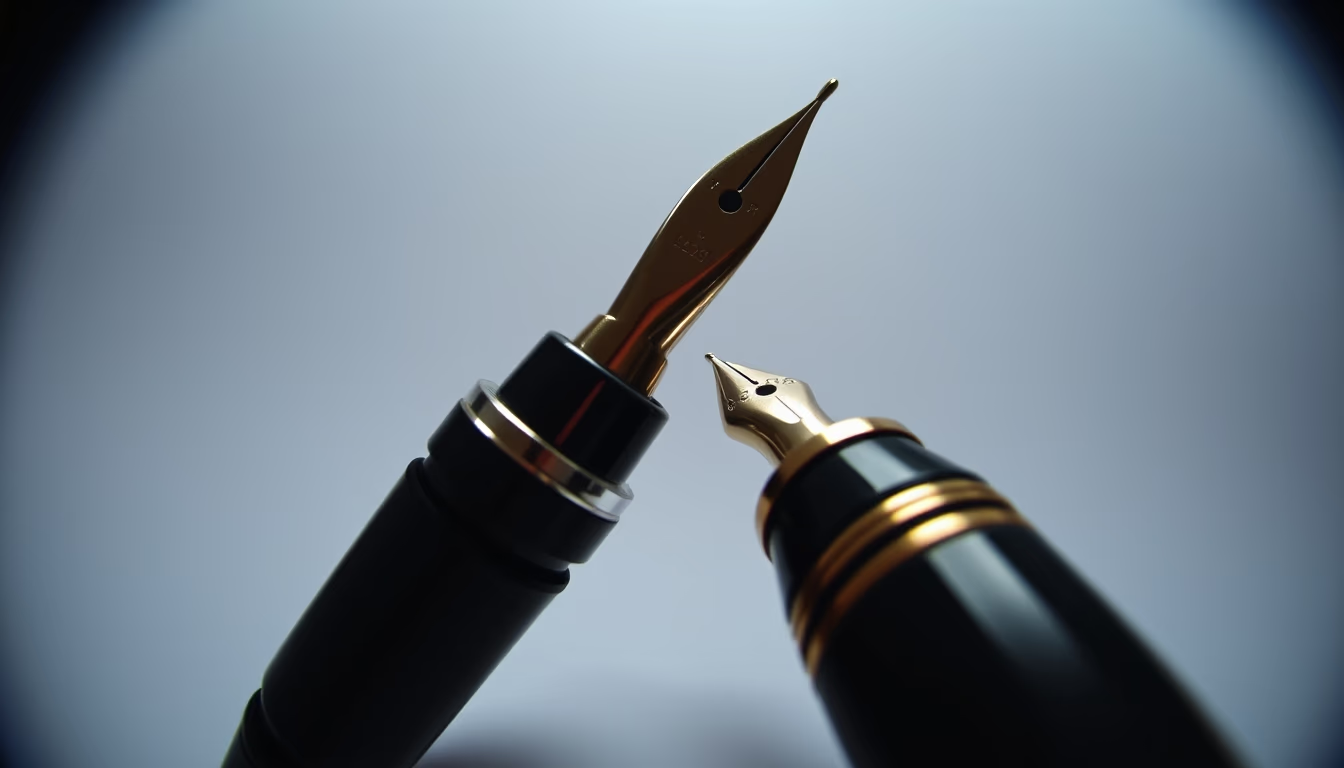
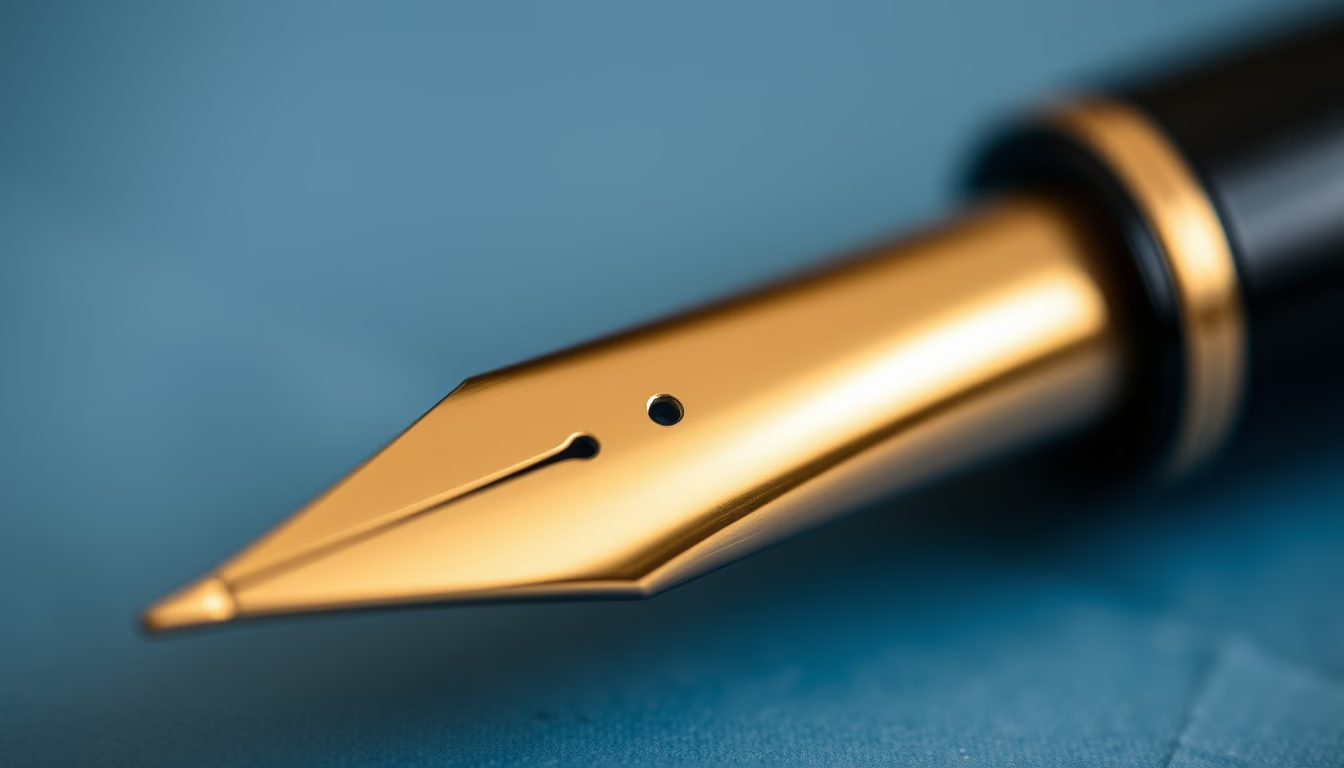
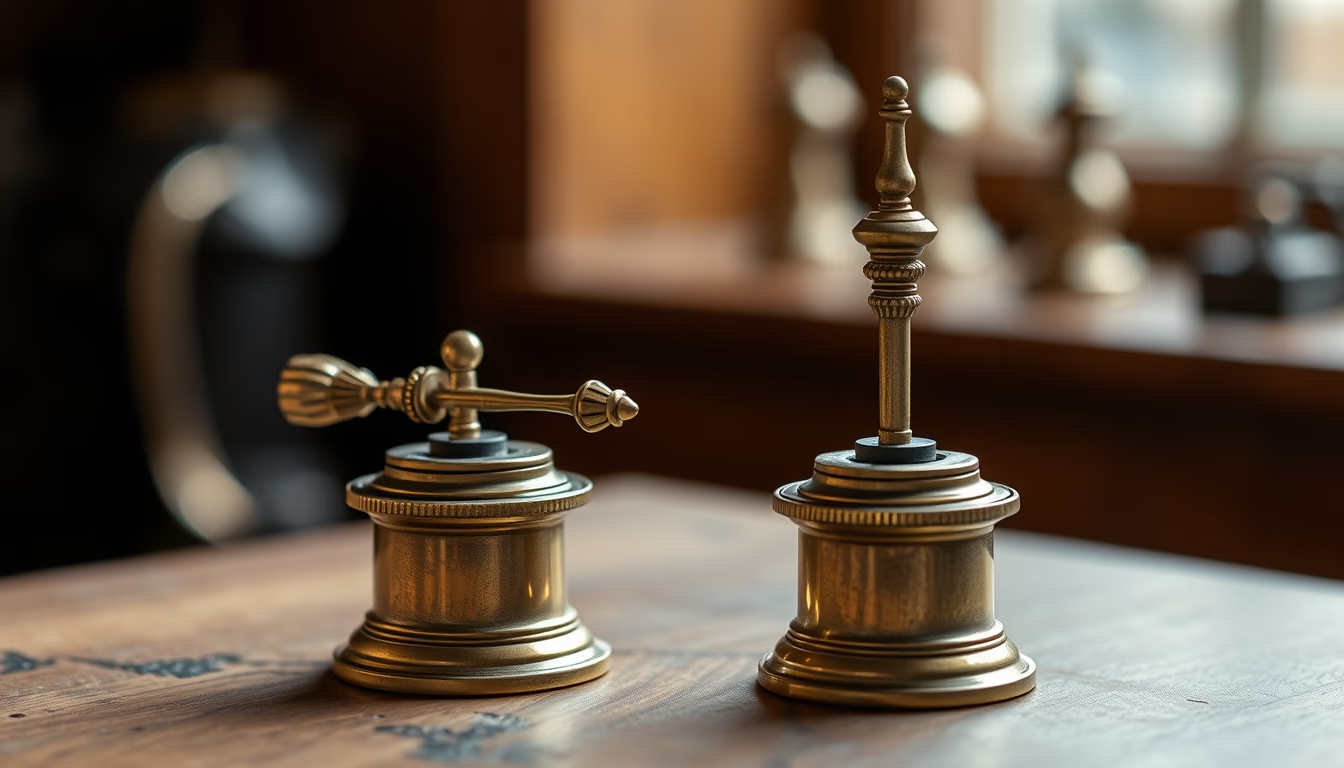
A vintage pencil collection displays a range of colors and styles, revealing the evolution of writing materials over centuries.
About this subject
The history of pencils begins in the 16th century with the discovery of graphite in England, when shepherds noticed the material left dark marks. Initially, graphite was wrapped in string or sheepskin. In the late 18th century, Frenchman Nicolas-Jacques Conté developed the process of mixing ground graphite with clay to create leads of varying hardness, patenting the modern pencil. By the 19th century, industrial production enabled mass manufacturing, using cedar wood and layers of colored paint or decorative patterns.
Collecting vintage pencils involves appreciating promotional, advertising, or limited-edition specimens. Iconic brands include Faber-Castell, Staedtler, Derwent, and Dixon Ticonderoga. Vintage pencils may feature hexagonal or round shapes, brass ferrules, original erasers, and typographic imprints. Condition (no breaks, intact lead, preserved varnish) and rarity determine value. Pieces from antique company promotions or pencils used by famous artists are highly sought after.
Culturally, pencils represent the democratization of drawing and writing. Before ballpoint pens became widespread, pencils were the primary school and office instrument. Colored pencils, introduced in the early 20th century, revolutionized illustration and children's art. Nostalgia for analog objects drives the collectibles market, with fairs and online groups dedicated to the hobby. Artisanal manufacturing techniques, such as hand-painting and fire engraving, are valued in older pieces.
Differences between modern and vintage pencils include the type of varnish (lacquer vs. water-based paint), the presence of erasers (invented in 1858 by Hyman Lipman), and the wood (American cedar vs. sustainable alternative woods). Collectors often restore pencils with superficial damage but avoid sanding or repainting to preserve authenticity. Artworks made exclusively with vintage pencils are also appreciated, blending historical technique with retro aesthetics.
Frequently Asked Questions
What makes a vintage pencil valuable?
Rarity, intact original condition, recognized brand, historical association (e.g., old advertising), and unique features such as shape, color, or material.
How can you identify the age of a pencil?
Check the brand and logo (many changed over time), type of wood, presence of an eraser, color, and printing method. Pencils without erasers or with chipped varnish may be older.
Which pencil brands are most sought after?
Faber-Castell, Staedtler, Derwent, Dixon Ticonderoga, Koh-I-Noor, and Lyra are classic brands. Promotional pencils from defunct companies are also highly valued.
Direct URL
https://pub-c7d6a6ea828543ac903a74a341ccb2e1.r2.dev/imagens/pencil-collection-vintage-macro-closeup-fresh1.avifHow to credit
Include a visible link back to UtilizAí. Copy one of the snippets below:
<a href="https://xn--utiliza-eza.com/en/midia/imagens/pencil-collection-vintage-macro-closeup-fresh1">Pencil collection vintage</a> by <a href="https://xn--utiliza-eza.com">UtilizAí</a>, licensed under <a href="https://creativecommons.org/licenses/by/4.0/">CC BY 4.0</a>.
[Pencil collection vintage](https://xn--utiliza-eza.com/en/midia/imagens/pencil-collection-vintage-macro-closeup-fresh1) by [UtilizAí](https://xn--utiliza-eza.com), CC BY 4.0
License: CC-BY-4.0